

Why Apartment Hunting Chicago Requires the Right Strategy
Apartment hunting Chicago can feel overwhelming when you're facing 77 distinct neighborhoods, thousands of listings, and a dynamic rental market that shifts with the seasons. Whether you're relocating for work, seeking a vibrant urban lifestyle, or simply ready for a change, finding the right apartment in the Windy City requires more than just scrolling through listings.
Quick Guide to Apartment Hunting in Chicago:
- Start Early - Begin your search 60+ days before your move-in date
- Set Your Budget - Factor in rent, utilities, parking, and move-in costs
- Choose Your Neighborhood - Consider proximity to work, transit access, and lifestyle preferences
- Gather Documents - Have your ID, proof of income, and references ready
- Use Multiple Resources - Browse apartment websites, schedule tours, and walk neighborhoods
- Time It Right - Search in winter for different options, or summer for more availability
- Prioritize Location - Focus on a specific area rather than chasing perfect amenities
Chicago's rental market offers everything from vintage walk-ups to modern high-rises with stunning lake views. The city's large population means competition can be high during peak seasons (June through August), when demand can affect rental rates and available units may be leased quickly.
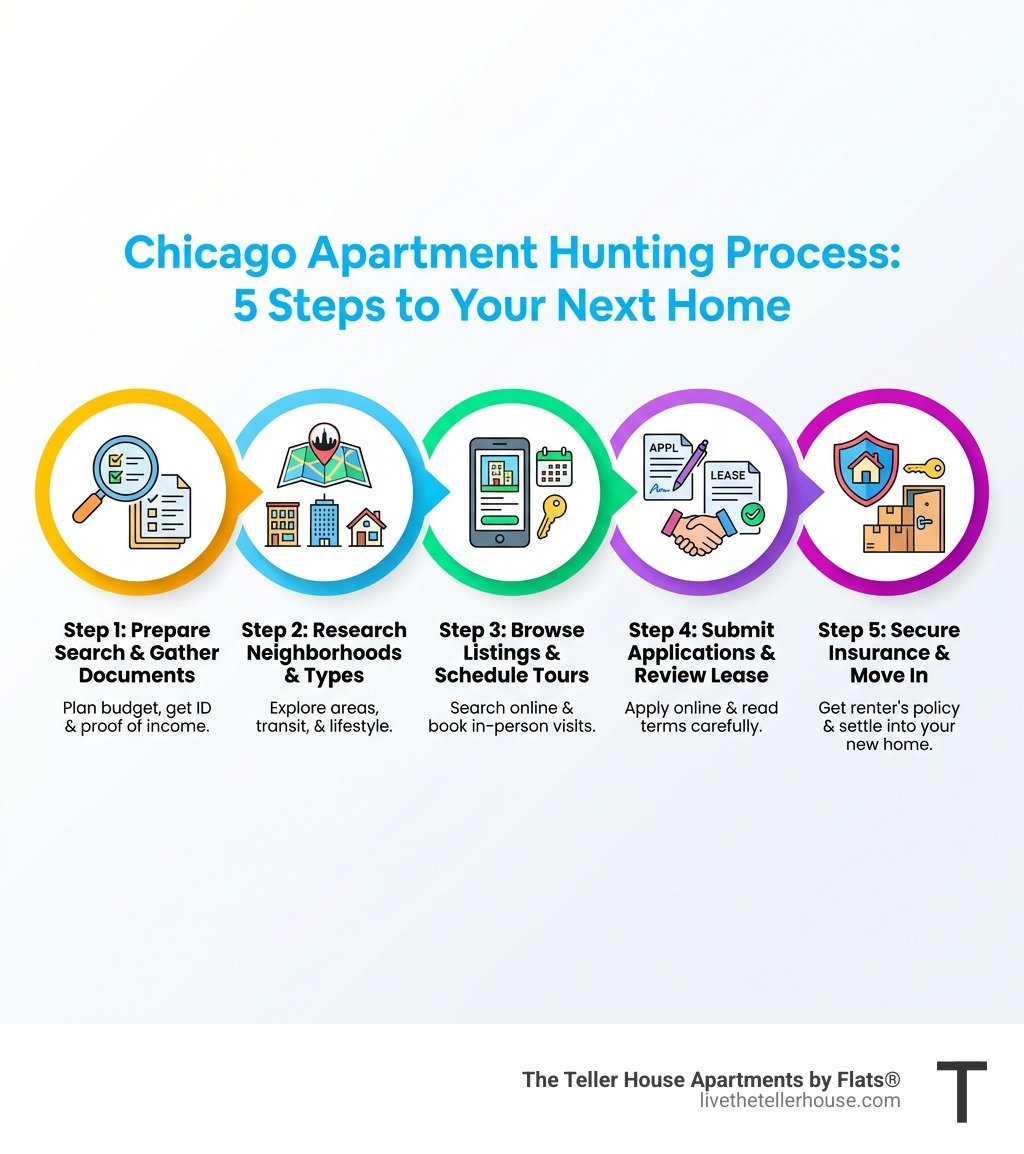
This guide walks you through the entire apartment hunting process in Chicago, from preparing your search and exploring neighborhoods to navigating listings and completing your application. By the end, you'll have a clear roadmap to finding your new Chicago home.
Step 1: Preparing for Your Chicago Apartment Search
Before diving into your apartment hunting Chicago journey, a little preparation goes a long way. A solid plan saves time, reduces stress, and leads you to your ideal home.

Defining Your Needs
The first step in any successful apartment hunt is to clearly define what you're looking for. This is a practical checklist that reflects your lifestyle and priorities.
- Space and Layout: Decide if you need a cozy studio or more space for a home office or hobbies. Visualizing your ideal layout will narrow your search. Our Apartment Floor Plans and 1 Bedroom Apartments Chicago Guide can help you explore options.
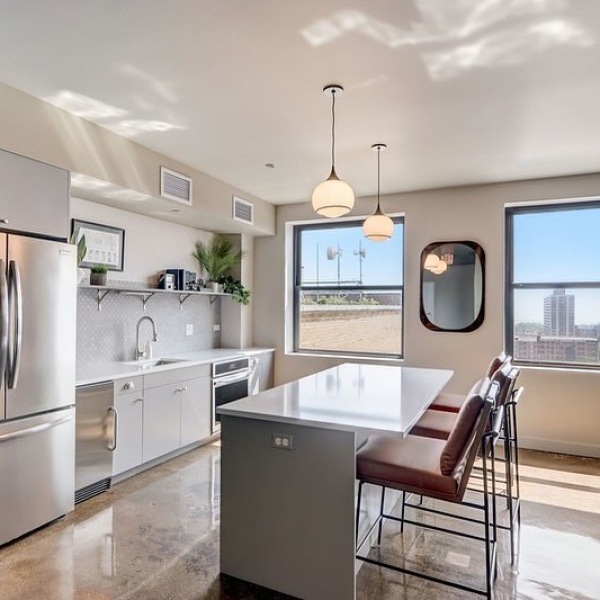
- Desired Amenities: What amenities would make your life easier? Consider features like in-unit laundry, a fitness center, included high-speed internet, or guaranteed parking. List your must-haves and nice-to-haves to filter your options.
Planning for Rental Expenses
Beyond monthly rent, your budget must account for other costs. Chicago rental rates vary widely by neighborhood, size, and amenities.
Here's a breakdown of additional costs to consider:
- Utilities: These typically include gas, electricity, and internet. While some properties might include certain utilities, it's common for renters to be responsible for these separately.
- Parking Fees: If you own a car, parking is a significant consideration. Monthly parking fees can vary, especially in popular downtown areas. Some neighborhoods also require a street parking permit.
- Move-in Fees and Security Deposits: Landlords typically require either a security deposit (often equal to one to two months' rent) or a non-refundable move-in fee. These are upfront costs to factor in.
- Application Fees: Expect to pay an application fee, which covers the cost of credit and background checks.
- Pet Fees: For those with furry friends, pet ownership often comes with additional costs. This could include a pet deposit, a one-time pet fee, and/or monthly pet rent. We always recommend checking a building's pet policy in advance.
- Renter's Insurance: This essential protection safeguards your personal belongings from unforeseen events and provides liability coverage. Many landlords require it, so it's a wise investment.
Timing Your Search
Seasonality affects availability and prices in the Chicago rental market. Timing your search strategically gives you an edge.
- Peak Season (Summer): Demand surges from June through August, meaning more competition. If you're moving then, be prepared to act quickly.
- Off-Peak Season (Winter): From November through February, less demand can mean more availability and potential landlord incentives. High-rises often have year-round move-ins, offering flexibility regardless of season.
Gathering Your Paperwork
When you find an apartment you love, be ready to apply immediately. Having these documents in order will make the process smooth and efficient:
- Photo ID: A valid government-issued identification.
- Proof of Income: This could be recent pay stubs, an employment offer letter, or bank statements. Landlords often look for an income that is roughly three times the monthly rent.
- Credit Check Authorization: You'll typically authorize the landlord or property manager to run a credit check. A credit score of 620 or higher is generally preferred. For those with lower scores, a co-signer might be an option.
- References: Personal or professional references can bolster your application, demonstrating reliability and responsibility.
Step 2: Exploring Chicago's Neighborhoods and Apartment Styles
Chicago is a city of distinct personalities, each neighborhood offering its own unique charm and rhythm. Part of the joy of apartment hunting Chicago is finding which corner of the city resonates with your spirit.
Choosing a Neighborhood
With 77 official neighborhoods, deciding where to live is a key step. Consider:
- Proximity to Work or School: How important is your commute? Chicago's public transportation system is extensive, but living near your daily destinations can significantly improve your quality of life. For students, being close to institutions like DePaul University, the University of Chicago, or Northwestern University is often a top priority.
- Access to Transit: Do you rely on the 'L' train or buses? Some neighborhoods boast excellent Walk Scores, Bike Scores, and Transit Scores, indicating how easy it is to get around without a car. Our Chicago Apartments Near Transit page highlights options with great access.
- Lifestyle Preferences: Are you seeking a busy nightlife, quiet tree-lined streets, or direct access to green spaces and parks? Do you want a neighborhood with a strong community feel, or are you drawn to areas known for their art and culinary scenes?
- Entertainment and Culture: Chicago's cultural and entertainment scene is world-class, from iconic museums like the Art Institute of Chicago to vibrant Broadway shows and legendary music venues. Consider how living in a particular neighborhood will connect you to these experiences.

Spotlight on Popular Neighborhoods
Here are some of Chicago's most sought-after rental neighborhoods:
- Lincoln Park: Lincoln Park offers a balance of urban amenities and expansive green spaces. Our Lincoln Park Chicago Apartments Rent Guide details what makes this area so appealing.
- Wicker Park: Known for its artistic vibe, Wicker Park has a dynamic mix of boutiques, restaurants, and nightlife, plus convenient expressway access. Explore more with our Wicker Park Apartments Chicago Guide.
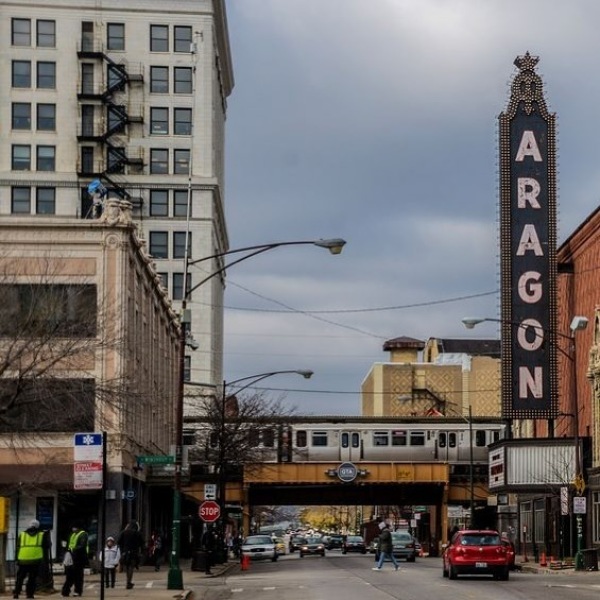
- Uptown: Uptown is a gem for those drawn to history, culture, and a burgeoning arts scene. Its historic theaters and diverse culinary landscape offer a unique living experience. Our Uptown Chicago Apartments Guide provides an in-depth look.
- Downtown Chicago (River North, West Loop, South Loop): These areas are perfect for those who crave the pulse of city life. River North is a hub for dining and nightlife, the West Loop is a foodie paradise, and the South Loop offers stunning city and lake views. Our Downtown Chicago Apartments Guide covers these districts.
- Hyde Park: Home to the University of Chicago, Hyde Park blends academic life with beautiful architecture and lakeside access in a community-focused atmosphere. Learn more in our Hyde Park Chicago Guide.
- More Neighborhoods to Explore: Also explore areas like South Shore, Rogers Park, Avondale, and Edgewater for their unique community benefits.
Comparing Apartment Styles
Chicago's diverse architecture offers a wide array of apartment styles:
- New vs. Vintage:This is a classic Chicago choice.
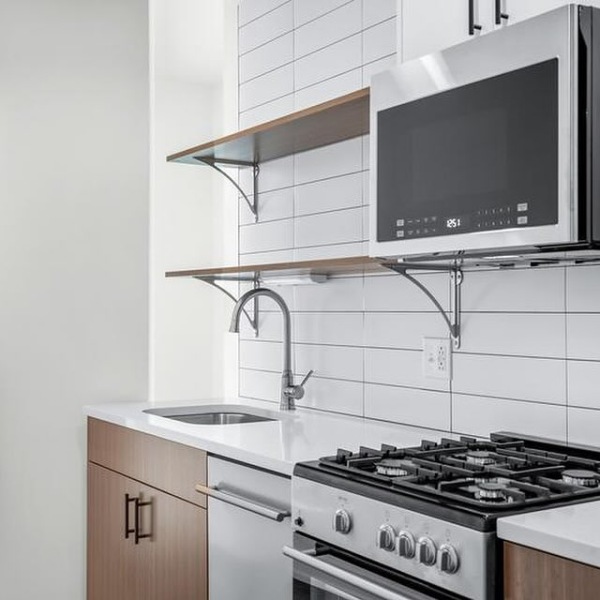
- New Apartments: Feature modern designs, state-of-the-art appliances, and a full suite of amenities. See examples on our Modern Apartments Chicago page.
- Vintage Apartments: Offer timeless charm and unique architectural details. While they may lack some modern amenities, their character is often irresistible. Explore these options in our Historic Apartments for Rent guide.
- Lofts: Converted from old factories, lofts appeal to an industrial-chic aesthetic with open spaces, high ceilings, and exposed brick. Find more in our Luxury Lofts in Chicago guide.
- High-rises: For breathtaking city or Lake Michigan vistas, a high-rise is unparalleled. Our Chicago Apartments with Skyline View page highlights these options.
- Houses, Townhouses, and Condos: Less common for rentals, these offer more space and private entrances. Rented condos can provide access to luxury building amenities.
Key Features to Prioritize
After choosing a neighborhood and style, prioritize features that will improve your living experience:
- Laundry Facilities: In-unit laundry is a game-changer for convenience, but many buildings also offer shared facilities. Check out our Chicago Apartments with Laundry for options.
- Fitness Centers: An on-site gym can save you time on a separate membership. Find out more about Chicago Apartments with Gym.
- Storage and Closet Space: Adequate storage is often overlooked. Walk-in closets are a luxury that makes a big difference. Our guide on Apartments with Walk In Closets highlights these spacious options.
- Other Amenities: Don't forget to consider additional perks like rooftop decks, concierge services, or communal workspaces. The Teller House, for instance, offers a range of desirable Amenities Uptown Chicago designed to lift your living.
Step 3: The Ultimate Guide to Apartment Hunting in Chicago
Now that we've laid the groundwork, it's time to roll up our sleeves and dive into the actual search. This stage of apartment hunting Chicago combines strategic online research with boots-on-the-ground exploration to find your perfect match.
Effective Strategies for Your Online Search
The internet is your best friend for apartment hunting. Our Apartment Listing Websites guide offers a comprehensive overview, but here are some top strategies:
- Apartment Websites: Use comprehensive sites like Apartments.com and Zillow, personalized platforms like ApartmentList.com, and Chicago-focused sites like Domu.com. They offer extensive filters for size, amenities, and commute times.
- Utilizing Filters and Alerts: Use all available filters for your must-haves. Save your search and set up email alerts for new listings, which is crucial in a fast-moving market.
- Virtual Tours and Reviews: Use Virtual Tours for initial screening, and always read reviews of the building and management company to learn from other renters' experiences.
- Spotting Red Flags: Be vigilant for red flags: listings that seem too good to be true, requests for money before a viewing, or poor communication from a landlord.
- Move-in Specials: Look for "move-in specials" or concessions, which are more common in the winter but can appear year-round.
Making the Most of Apartment Tours
Once you've identified promising listings online, it's time for the real fun: touring!
- In-Person vs. Virtual: While virtual tours are great for screening, an in-person visit is best. If relocating, schedule multiple tours back-to-back to maximize your trip.
- Your Inspection Checklist: Bring a checklist: check water pressure, cell service, and noise levels, and look for signs of pests. Inspect common areas, not just the apartment.
- Asking the Right Questions: Prepare questions for the property manager about utility costs, maintenance procedures, and lease renewal terms.
- Assessing the Building and Neighborhood: Pay attention to the building's condition and the neighborhood atmosphere at different times of day. Use Walk Score and Transit Score to check accessibility.
- Scheduling a Tour: Ready to see some options? We make it easy to Schedule a Tour of our properties, ensuring you get all your questions answered.
Special Considerations for Your Chicago Apartment Hunt
Chicago presents a few unique aspects that are worth keeping in mind during your search.
- Pet Owners: Chicago is pet-friendly, but policies vary. Our Pet Friendly Apartments Chicago Guide is a helpful resource. Always confirm pet rules and fees before applying.
- Students: Many neighborhoods offer convenient campus access. Our guides for Apartments Near DePaul University Lincoln Park Campus and Apartments Near University of Chicago can help.
- Climate Considerations: Chicago has distinct seasons. Ensure your apartment has efficient heating and cooling for year-round comfort.
Step 4: From Application to Lease: Securing Your New Home
You've found your dream apartment. Now it's time for the final stretch of apartment hunting Chicago: the application and lease process. Your preparation pays off here.
The Rental Application Process
Once you've chosen an apartment, you'll submit a formal application, which typically involves:
- Application Form: Complete a form with your personal details, employment history, and rental history.
- Application Fees: Pay a fee to cover background and credit checks.
- Credit and Background Checks: Landlords run these to assess your financial responsibility and rental history. A credit score of 620+ is usually preferred.
- Income Requirements: Provide proof of income, typically at least three times the monthly rent.
- Co-signers: A co-signer may be needed if your credit or income doesn't meet requirements. They legally guarantee your rent.
- References: Personal or professional references can strengthen your application.
Understanding Your Lease Agreement
Once approved, you'll review and sign the lease, a legally binding document outlining your tenancy terms.
- Standard Lease Term: The most common lease agreement in Chicago is a 12-month term. This provides stability for both you and the landlord.
- Short-Term Options: While less common, some properties may offer short-term leases (e.g., 3-6 months). Be aware that these may have different rental rates due to the increased turnover costs for the landlord.
- Key Clauses: Pay close attention to clauses regarding the rent due date, late fees, utility responsibilities, maintenance procedures, pet policy, subletting rules, renewal terms, and move-in/move-out procedures.
- Historic Properties: Leasing a vintage apartment may have specific considerations. Our Leasing Historic Properties in Chicago guide offers insights. Note that Chicago does not currently have rent control laws.
The Importance of Renter's Insurance
Before moving in, we strongly recommend securing renter's insurance.
- Personal Property Protection: Renter's insurance protects your belongings (furniture, electronics, clothing) from damage or theft. Without it, you would be responsible for replacement costs.
- Liability Coverage: It also provides liability coverage if someone is injured in your apartment or if you accidentally cause damage to the building.
- Landlord Requirements: Many landlords in Chicago now require tenants to have renter's insurance as part of their lease agreement. It's a small monthly cost that provides significant peace of mind.
Frequently Asked Questions about Renting in Chicago
We know that apartment hunting Chicago can bring up a lot of questions. Here are some of the most common inquiries we receive, along with our answers.
What is the best time of year to find an apartment in Chicago?
The "best" time depends on what you prioritize:
- Summer (June through August) is Peak Season: During these warmer months, the rental market is buzzing with activity. You'll find the widest selection of available units, but also face the most competition. This often affects rental rates and means properties are snapped up quickly. If you need maximum choice, this is your window, but be prepared to act fast.
- Winter (November through February) is Off-Peak Season: The colder weather typically means fewer people are moving. While the number of listings might be lower, you'll generally encounter less competition. Landlords may be more willing to offer incentives to fill vacancies. If your priority is finding more options with less competition, winter can be an opportune time.
- High-Rise Buildings: Interestingly, high-rise apartments often have year-round move-ins. This means their availability and pricing might be less affected by traditional seasonal fluctuations compared to walk-ups or smaller buildings.
What are the typical additional costs beyond rent for a Chicago apartment?
Beyond your monthly rent payment, budget for several other expenses to get a true picture of your living costs:
- Utilities: These are often separate from rent and include gas, electricity, and internet/cable.
- Parking Fees: If you have a car, parking costs can vary, especially in desirable downtown areas. Some neighborhoods also require an annual city permit for street parking.
- Application Fees: When you apply for an apartment, you'll pay a non-refundable fee to cover credit and background checks.
- Security Deposits or Move-in Fees: Landlords typically require either a refundable security deposit (often equal to one or two months' rent) or a non-refundable move-in fee.
- Pet Fees: For pet owners, expect additional costs such as a pet deposit, a one-time pet fee, and/or monthly pet rent.
- Renter's Insurance: This protection for your belongings and liability is an additional monthly cost, and many landlords require it.
What is the typical rental application process for apartment hunting in Chicago?
The application process in Chicago is fairly standard and designed to help landlords assess your suitability as a tenant:
- Submit an Application Form: You'll fill out a form detailing your personal information, employment history, previous residences, and references.
- Pay an Application Fee: A non-refundable fee accompanies your application. This covers the administrative costs of processing your application and running necessary checks.
- Authorize Credit and Background Checks: The landlord will run a credit check to evaluate your financial responsibility and a background check to review your criminal history and eviction records. A credit score of 620 or higher is generally preferred.
- Provide Proof of Income: You'll need to submit documentation like recent pay stubs, an employment offer letter, or bank statements to demonstrate that your income meets the landlord's requirements (often three times the monthly rent).
- Supply References: Providing contact information for previous landlords or professional references can significantly strengthen your application, offering positive endorsements of your character and reliability.
Conclusion: Your Chicago Home Awaits
Navigating Chicago's vibrant rental market is an exciting journey. With the right strategy, your new home is within reach. We've covered the essential steps, from preparation and budgeting to exploring neighborhoods and completing the application process.
Successful apartment hunting Chicago hinges on preparation, understanding your needs, and using available resources. Whether you prefer a modern high-rise with a stunning skyline view or the historic charm of a vintage walk-up, Chicago has a living experience for everyone.
For those seeking a truly unique blend of history and contemporary living, we invite you to consider The Teller House. Our luxury apartments in Uptown Chicago offer a distinctive living experience, changing a historic bank building into modern, sophisticated spaces. Located near prominent theaters and cultural attractions, The Teller House provides an exceptional opportunity to immerse yourself in the heart of Chicago's rich cultural mix.
Your Chicago adventure begins with finding the right place to call home. With this guide, you're well-equipped to start on your apartment hunting journey with confidence and excitement. We're here to help you Find your next home in Chicago and experience the best of city living.