

History and Architecture of the Astor House Apartments Chicago
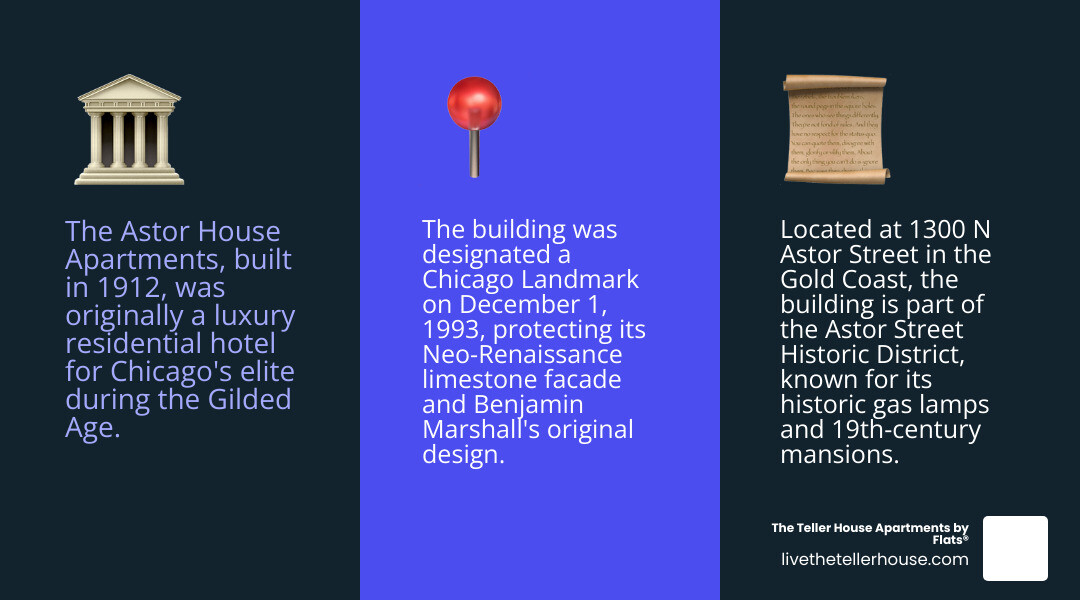
Stepping into the history of the astor house apartments chicago is like taking a stroll back to the Gilded Age of Chicago's elite. Built in 1912, this architectural marvel was originally conceived as a luxury residential hotel. During the early 20th century, wealthy Chicagoans sought residences that offered the privacy of a grand home combined with the modern conveniences and services of a high-end hotel. The Astor House delivered exactly that, quickly becoming a hub for high society. This transition from sprawling single-family estates to vertical luxury living marked a significant shift in the city's urban planning and lifestyle preferences.
The building's rich heritage represents a golden era of urban development. In the early 1900s, Chicago was rapidly expanding, and the affluent class began moving north of the downtown core into what we now call the Gold Coast. The construction of luxury residential hotels like this one redefined upscale urban living, setting a precedent for future historic apartments in chicago. These buildings offered residents a maintenance-free lifestyle without compromising on the grandeur, space, and prestige they were accustomed to in their private mansions.
To truly appreciate the architectural lineage of the astor house apartments chicago, one must look at how the City of Chicago preservation efforts have safeguarded these structures. The building is officially documented in the City of Chicago Landmark Database, ensuring that its majestic exterior and structural integrity remain intact for generations to come. This database serves as a crucial tool for historians and urban planners, cataloging the architectural treasures that define the city's unique character.
Benjamin Marshall’s Neo-Renaissance Masterpiece
The mastermind behind the astor house apartments chicago was none other than Benjamin H. Marshall, a legendary architect who shaped much of Chicago's luxury landscape. Marshall was known for his opulent, classical designs, and he brought his signature flair to 1300 N Astor Street. His work often reflected the influence of the Beaux-Arts movement, combined with a deep understanding of classical European styles.
Designed in the Neo-Renaissance style, the building rises 12 stories above the Gold Coast. Its exterior features a striking limestone facade, intricate masonry, and grand arched windows that reflect the symmetry and proportion characteristic of Renaissance-era Italian palaces. Marshall’s design balanced monumental scale with delicate ornamentation, creating a structure that felt both imposing and deeply elegant. The rusticated stone base, the detailed cornices, and the carefully proportioned fenestration all contribute to its commanding street presence. For those interested in the broader impact of Marshall's work, the Chicago Architecture Center offers extensive resources detailing how his designs came to define Chicago's lakefront skyline and influenced generations of architects.
Landmark Status of the Astor House Apartments Chicago
Recognizing its immense architectural and cultural significance, the City of Chicago designated the Astor House Apartments as an official Chicago Landmark on December 1, 1993. This landmark status protects the building's exterior from significant alterations, preserving Benjamin Marshall's original vision. The designation process involves a rigorous evaluation of the building's historical significance, architectural uniqueness, and contribution to the surrounding neighborhood's character.
This designation makes the property a premier example of chicago historic building apartments. Living in a landmarked building means being part of a living museum, where the craftsmanship of a bygone era is preserved alongside the vibrant, evolving culture of modern Chicago. It ensures that the intricate stonework, the grand entranceways, and the overall aesthetic harmony of the streetscape remain unaltered by modern development pressures.
The Historic Gold Coast Neighborhood and Astor Street
The Gold Coast is widely considered one of the most prestigious neighborhoods in the country. Nestled along the shores of Lake Michigan, it offers a peaceful, tree-lined escape from the bustling downtown core while remaining incredibly accessible. The neighborhood's development began in earnest in the late 19th century, following the construction of the Potter Palmer Mansion. This event drew other wealthy Chicagoans to the area, transforming it from a swampy shoreline into an enclave of architectural masterpieces.
Astor Street itself is the crown jewel of the Gold Coast. Named after John Jacob Astor, the street was designed to reflect the elegance of European boulevards. The Astor Street Historic District is famous for its quiet charm, historic gas lamps, and a stunning collection of late 19th- and early 20th-century mansions. When embarking on your apartment hunting chicago complete guide journey, the neighborhood's walkability, proximity to Oak Street Beach, and world-class dining options make it an incredibly desirable place to call home. Walking down Astor Street feels like stepping into a different era, where the rush of the modern city fades behind a canopy of mature trees and historic facades.
The Architectural Significance of 1300 N Astor Street
Located at the intersection of Astor Street and Banks Street, 1300 N Astor Street occupies a prime piece of Chicago real estate. The surrounding streets are lined with historic brick and stone townhomes, grand estates, and lush green canopies. The corner positioning of the building allows for maximum natural light to flood the residences, while offering panoramic views of the historic streetscape.
The neighborhood's culture is deeply rooted in preservation and appreciation for the arts. Living here means you are just a short walk away from the lakefront path, high-end boutiques on Michigan Avenue, and a variety of cultural institutions. The area seamlessly blends residential tranquility with urban sophistication. It is easy to see why vintage enthusiasts search tirelessly for apartments for rent chicago il in this specific pocket of the city, where every corner tells a story of architectural ambition and cultural heritage.
Comparing Historic Chicago Architectural Styles
To understand how the Neo-Renaissance style of the astor house apartments chicago fits into the city's broader architectural tapestry, it helps to compare it to other popular styles found in Chicago's vintage residential buildings. Each style represents a different phase of the city's growth and the evolving tastes of its residents.
| Architectural Style | Key Features | Era of Prominence | Vibe & Character |
|---|---|---|---|
| Neo-Renaissance (e.g., Astor House) | Limestone facade, symmetrical arches, heavy cornices, classical proportions | 1890s – 1920s | Regal, balanced, and timelessly elegant |
| Beaux-Arts | Grand decorative details, sculptural carvings, flat roofs, classical columns | 1880s – 1910s | Dramatic, ornamental, and highly theatrical |
| Art Deco | Geometric patterns, vertical lines, stylized relief carvings, metallic accents | 1920s – 1940s | Sleek, modern, and celebratory of industrial progress |
For a deeper dive into these architectural movements, check out our vintage chicago apartments guide 2026 to see how these styles influence modern-day chicago historic apartments for rent. Understanding these distinctions helps prospective residents appreciate the unique design elements of their homes, from the ornate plasterwork of a Beaux-Arts lobby to the clean, geometric lines of an Art Deco entryway.
Modern Amenities in Historic Chicago Living Spaces
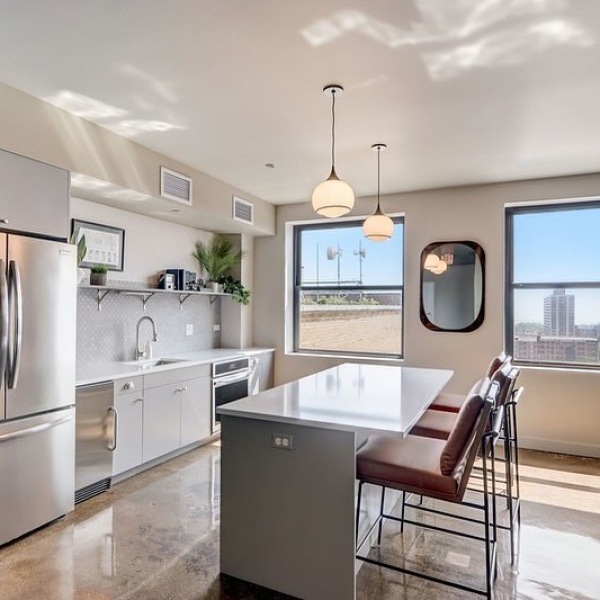
Living in a historic building doesn't mean sacrificing modern convenience. In fact, the most successful historic renovations seamlessly blend vintage charm with contemporary luxury. Today’s residents expect the best of both worlds: the soaring ceilings, plaster crown moldings, and solid hardwood floors of the past, paired with the gourmet kitchens, spa-like bathrooms, and smart home technology of today. This integration requires a delicate balance, ensuring that the structural integrity and historic character of the building are respected while upgrading the underlying infrastructure.

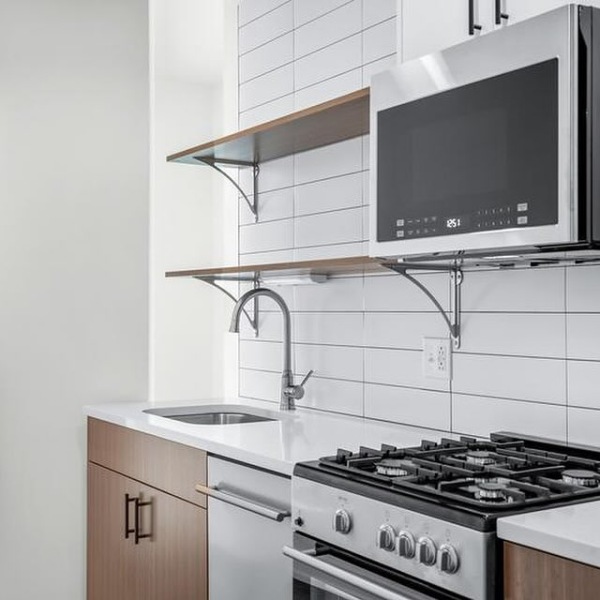
When historic structures undergo thoughtful updates, they offer a living experience that brand-new high-rises simply cannot replicate. High-end finishes like quartz countertops, stainless steel appliances, and in-unit laundry integrate naturally into spacious historic floor plans. These layouts often feature larger room dimensions, separate dining areas, and unique architectural quirks that are absent in modern, cookie-cutter developments. This harmonious blend of old and new is the hallmark of premium living, as detailed in our chicago luxury apartment rentals ultimate guide. By preserving the craftsmanship of the past and incorporating the technology of the present, these spaces offer a truly unique and sophisticated lifestyle.
Frequently Asked Questions
When was the 1300 N Astor building constructed?
The building at 1300 N Astor Street was constructed in 1912. It was originally designed as a high-end residential hotel to cater to wealthy residents looking for luxury accommodations in the Gold Coast.
What architectural style is the building?
The astor house apartments chicago is designed in the Neo-Renaissance style by famed architect Benjamin H. Marshall. It features a grand 12-story limestone facade, classical symmetry, and elegant arched windows.
Is the building a designated landmark?
Yes, the building was officially designated as a City of Chicago Landmark on December 1, 1993, ensuring its historic exterior remains preserved.
Conclusion
The astor house apartments chicago stands as a magnificent testament to Chicago’s architectural legacy, offering a glimpse into the opulent lifestyle of the early 20th century. For those who appreciate historic preservation, living in a landmarked building provides a unique connection to the city's past, allowing residents to walk the same halls as the pioneers of Chicago's golden era.
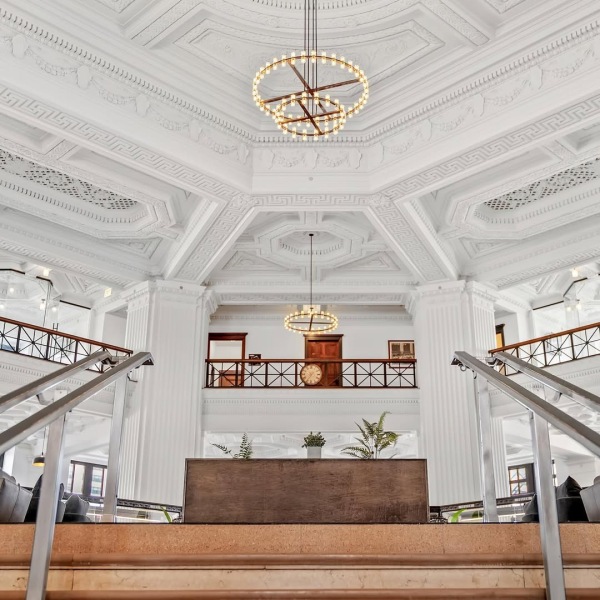
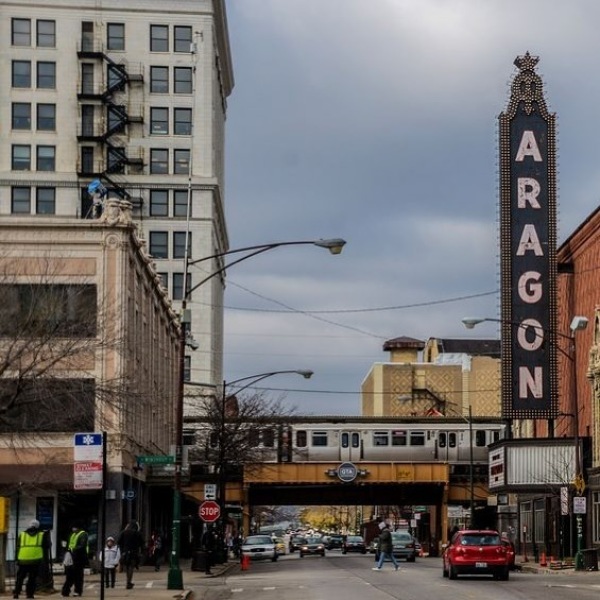
If you love the idea of historic charm but want a fresh, modern take on neighborhood living, we invite you to explore what we have created. At The Teller House, we have transformed a historic bank building in Uptown Chicago into sophisticated, modern living spaces. We have carefully preserved the grand architectural details of the original structure while introducing state-of-the-art amenities and contemporary design. Located near legendary theatres and vibrant cultural attractions, our community brings together the best of historic character and contemporary luxury.
Ready to find your next home? Explore our Uptown Chicago Apartments Guide to learn more about our unique spaces, our commitment to architectural preservation, and the vibrant neighborhood we call home.