

Why Vintage Chicago Apartments Offer Timeless Urban Living
Vintage Chicago apartments combine historic charm with modern city living in a way few other housing options can match. These pre-war buildings, constructed primarily between 1911 and 1929, feature architectural details that modern construction simply doesn't replicate—from crown moldings and hardwood floors to stained glass windows and wood-burning fireplaces.
Quick Guide to Vintage Chicago Apartments:
- Defining Features: Arched entryways, high ceilings (9-10 feet), bay windows, built-in storage, original woodwork, radiator heat
- Best Neighborhoods: Lincoln Park, Lakeview, Gold Coast, Edgewater, Uptown, River North
- Common Building Types: Converted hotels (Webster House, Lawrence House), repurposed schools (Stewart School Lofts), historic co-ops and condominiums
- Modern Updates: In-unit laundry, central air conditioning, granite countertops, fitness centers, rooftop lounges
- Typical Layouts: Spacious living/dining areas, smaller bedrooms, one bathroom, sunrooms or enclosed porches
Chicago's vintage apartment buildings tell stories of architectural ambition. Many were designed by renowned architects like Robert DeGolyer and Walter W. Ahlschlager, who created everything from fortress-like towers along Lake Shore Drive to Art Deco masterpieces in Gold Coast.
What makes these apartments particularly appealing today is how they balance old-world elegance with contemporary convenience. Former hotels along the lakefront now house residents seeking grand-scale living spaces. Elementary schools from 1907 have been transformed into loft apartments with exposed brick and original chalkboards still intact.
The charm isn't just aesthetic. Vintage apartments typically offer more spacious common areas than newer construction, with living rooms and dining rooms that actually accommodate furniture and guests. They're concentrated in walkable neighborhoods with established character, close to transit, dining, and cultural attractions.
Defining the Charm of Vintage Chicago Apartments

When we talk about vintage chicago apartments, we are referring to more than just an old building. These residences represent a specific era of craftsmanship that prioritized detail and longevity. Stepping into a vintage unit often feels like entering a different world, one where plaster walls are foot-thick and every room serves a distinct purpose.
One of the most beloved aspects of Chicago Heritage is the abundance of natural light provided by architectural choices. You will frequently find front sunrooms or "solariums" that were designed to capture the southern sun, creating a bright space for morning coffee or a home office. These units also feature built-in hutches and walk-in pantries—practical storage solutions from a time before modular cabinetry.
The "bones" of these buildings are incredibly solid. While modern skyscrapers might use thin drywall, vintage apartments use lath and plaster, which provides excellent sound insulation between neighbors. You might also notice the gentle clanking of radiator heat in the winter; while it may seem old-school, it offers a consistent, moist warmth that many Chicagoans prefer over the dry air of forced-air systems.
Architectural Legacy of Vintage Chicago Apartments
The skyline along Lake Shore Drive wouldn't be the same without the contributions of architects like Robert DeGolyer. Known for his "rock-solid" designs, DeGolyer favored styles ranging from Tudor and Venetian to Art Deco. His buildings, such as those found at 1120 and 1242 N. Lake Shore Drive, were often the tallest and most prestigious of their time, offering a sense of "gracious living" inspired by European castles.
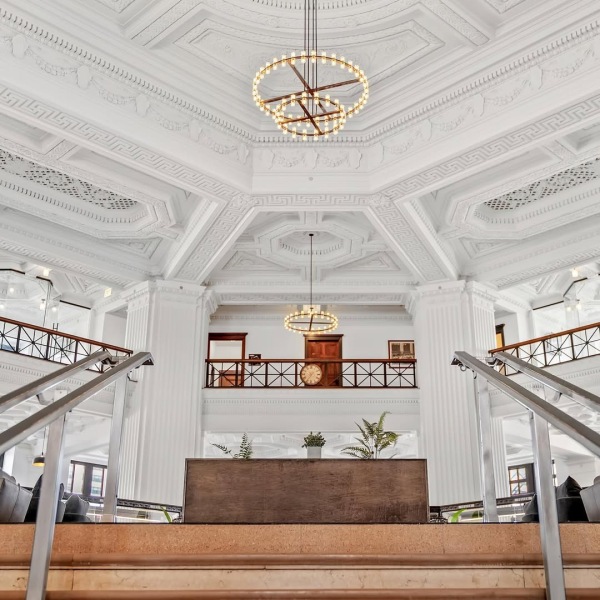
Another titan of the era, Walter W. Ahlschlager, designed neoclassical masterpieces like the Webster Hotel (now Webster House). These Chicago Historic Building Apartments often feature grand two-story lobbies that remind us of their origins as elite social hubs. Whether it is the vertical lines of an Art Deco tower or the ornate columns of a Beaux-Arts mid-rise, these buildings are local landmarks that have stood the test of time.
Unique Layouts and Historic Details
The floor plans in vintage chicago apartments are often a delightful surprise. Unlike the open-concept boxes of today, vintage units were designed for entertaining. Large, formal dining rooms are common, often featuring original wood trim and decorative (or sometimes working) fireplaces.
According to the Chicago Historic Homes Guide, you can expect to see:
- Bay Windows: Often found in the living room to maximize views and light.
- High Ceilings: Usually reaching 9.5 to 10 feet, making even smaller units feel expansive.
- Rear Porches: A classic Chicago feature, providing a small outdoor escape or extra storage.
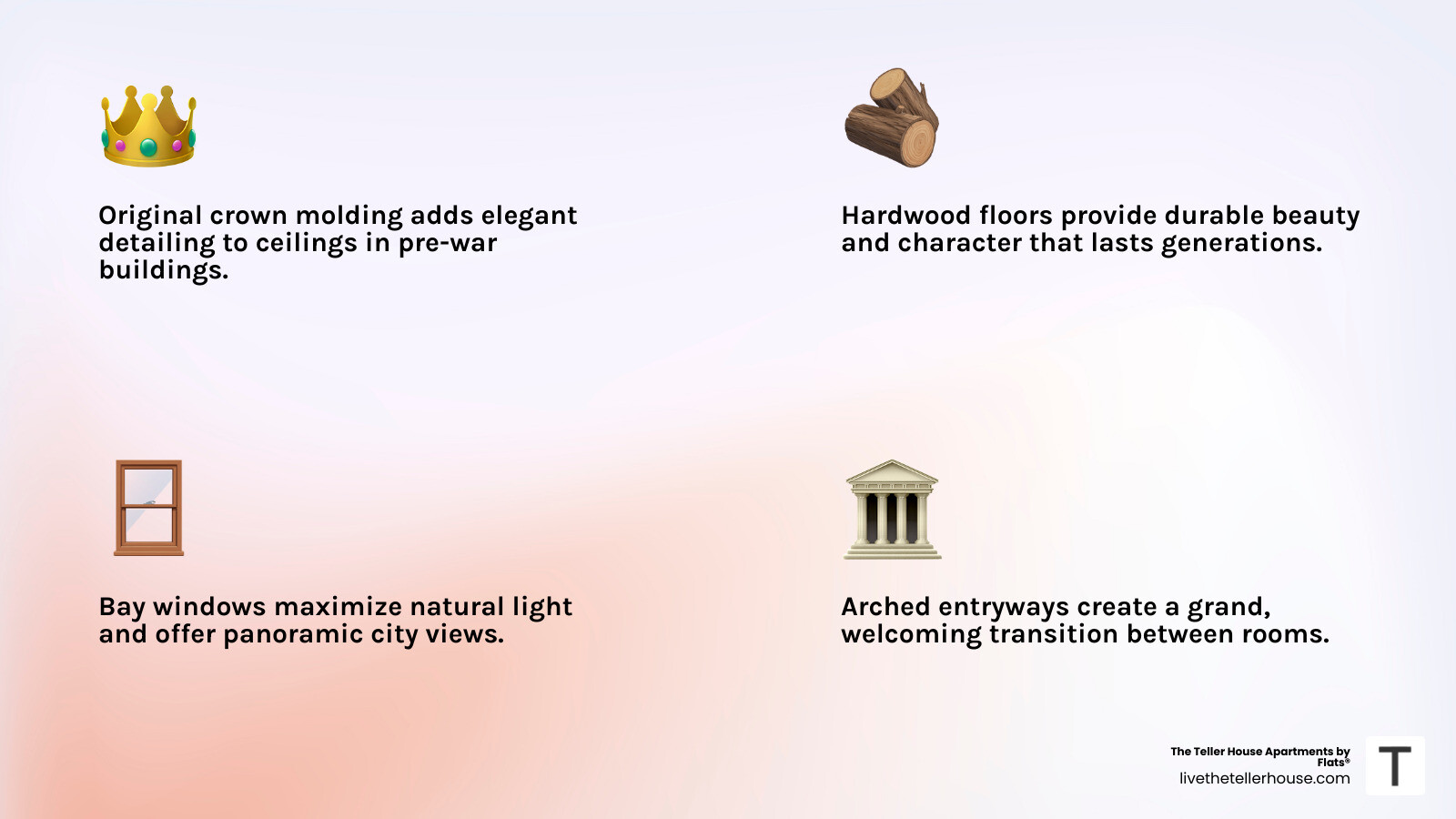
- Original Woodwork: Carved handrails, crown molding, and oak or maple hardwood floors that have been polished over decades.
Iconic Neighborhoods for Historic Living
If you are searching for the Best Vintage Apartments for Rent in Chicago - Domu, your journey will likely take you through the city's most established north-side neighborhoods.
- Gold Coast: The epicenter of pre-war luxury. Here, you'll find the only pre-war rental buildings on Lake Shore Drive, offering wood-paneled libraries and chef's kitchens.
- Lincoln Park: This area offers a quiet, residential feel with buildings that front the 1,200-acre park. Many of these units offer unobstructed views of the zoo and conservatory.
- Lakeview and Wrigleyville: Known for being incredibly walkable and transit-friendly. The vintage inventory here includes everything from efficient studios to expansive duplex penthouses.
- Edgewater: Further north, this neighborhood is famous for its "manor" style apartments and proximity to the lakefront beaches.
Historic Uptown and Vintage Chicago Apartments
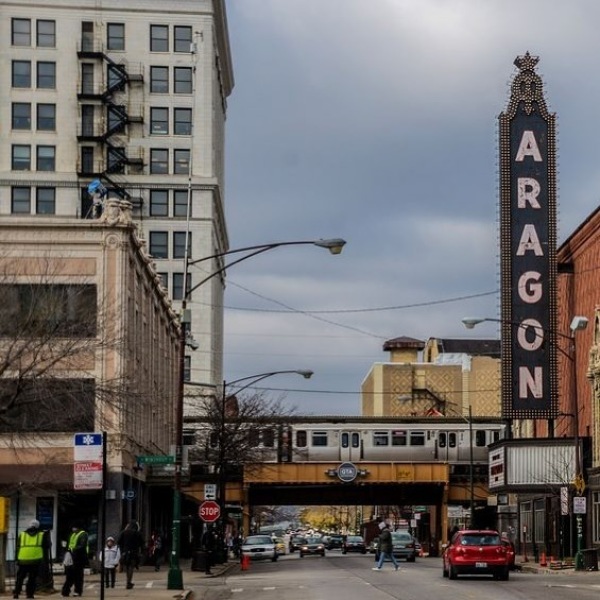
Uptown is a neighborhood where the past is always present. As a historic entertainment district, it was once the playground for Chicago’s elite during the jazz era. Living in Historic Apartments in Chicago means being steps away from legendary venues like the Aragon Ballroom, the Riviera Theatre, and the Green Mill Jazz Club.
The architecture here is particularly diverse. You might find a 1920s apartment hotel that has been meticulously restored, preserving its original mosaic pool tiling and terrazzo flooring. This neighborhood offers a unique blend of cultural grit and architectural glamour, making it a favorite for those who want a home with a "legacy."
Repurposed Landmarks and Conversions
One of the most exciting trends in the Chicago rental market is the conversion of non-residential landmarks into unique living spaces. These buildings are often listed on the National Historic Register, ensuring their exterior beauty remains unchanged while the interiors are modernized.
- Stewart School Lofts: Originally the Graeme Stewart Elementary School built in 1907, this building now houses apartments that retain original classroom doors, chalkboards, and exposed brick walls.
- The Lawrence House: Built in 1928 as a luxury apartment hotel, it has been reimagined as a community-centric building with a restored boxing ring and a 6,000-square-foot fitness center.
- Rosenwald Courts: Spanning an entire city block, this 1930s National Historic Landmark was once home to legends like Quincy Jones and Nat King Cole. It now offers hundreds of modern apartments centered around a massive two-acre private courtyard.
Modern Amenities in Updated Vintage Chicago Apartments
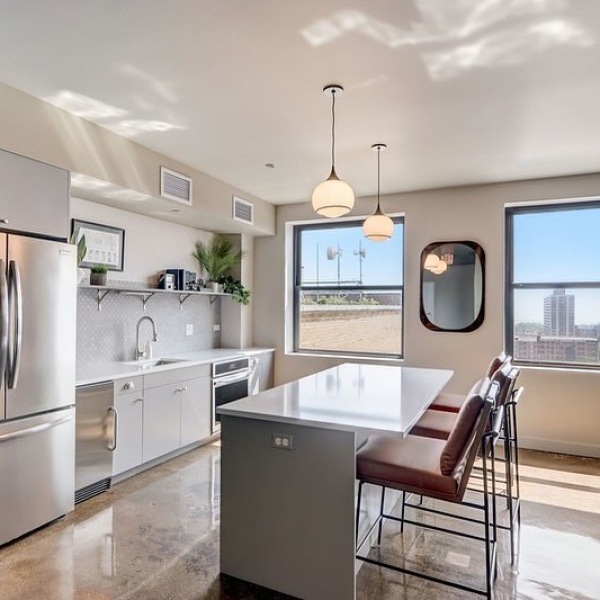
Living in a vintage building no longer means sacrificing modern comfort. Many developers have mastered the art of "adaptive reuse," inserting high-end finishes into historic shells. When we look at Leasing Historic Properties in Chicago, we see that the most sought-after units are those that provide a "best of both worlds" experience.
Common modern updates include:
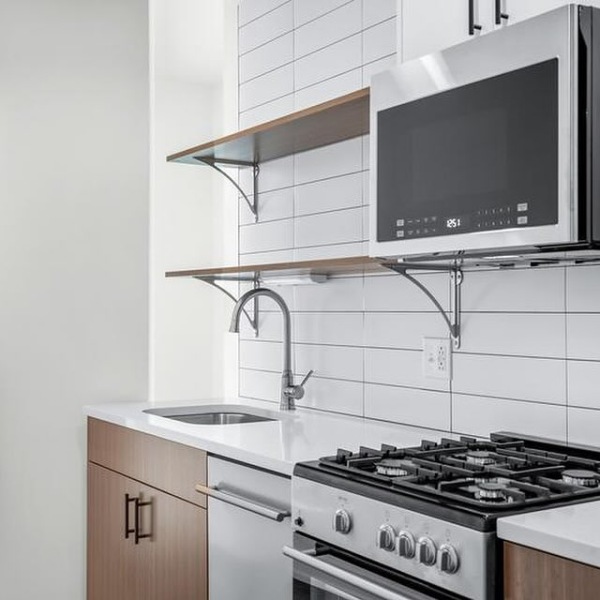
- Gourmet Kitchens: Granite or quartz countertops paired with stainless steel appliances.
- Climate Control: While radiators are charming, many updated units now feature zoned central air conditioning.
- In-Unit Laundry: A massive upgrade from the basement laundry rooms of the past.
- Lifestyle Amenities: Rooftop lounges with skyline views, co-working spaces in grand lobbies, and fitness centers that rival commercial gyms.
Understanding Rentals, Condos, and Co-ops
When searching for vintage chicago apartments, it is important to understand the different types of ownership and rental structures, as they can impact your living experience.
| Feature | Rental Apartment | Vintage Condo | Pre-War Co-op |
|---|---|---|---|
| Ownership | Managed by a company/landlord | Individually owned | Shares in a corporation |
| Approval | Standard credit/background | Varies by HOA | Strict board interview |
| Flexibility | Easy to move/lease | Can usually be rented out | Leasing often prohibited |
| Taxes | Included in rent | Paid by owner | Included in monthly fees |
| History | Historically for transit | Often converted later | Earliest form of ownership |
In Chicago Vintage Condos and Pre-war Co-op Apartments, the co-op is perhaps the most unique. Built primarily between 1911 and 1929, co-ops were the city's first form of apartment ownership. Instead of buying real estate, you buy shares in a corporation that owns the building. This comes with a "proprietary lease" and often requires a rigorous board approval process involving financial statements and personal references.
Frequently Asked Questions about Vintage Chicago Apartments
What defines a vintage apartment in Chicago?
A vintage apartment is typically defined by its pre-war construction era, specifically buildings erected before World War II (roughly 1900 to 1939). These Historic Apartments for Rent are characterized by their "solid" construction—think thick plaster walls, hardwood floors, and ornate crown molding. Unlike modern "open plan" units, vintage layouts usually feature distinct rooms for cooking, dining, and sleeping.
Are vintage apartments typically pet-friendly?
Yes, many vintage chicago apartments are very welcoming to pets! While some historic high-rises may have restrictions (such as allowing cats but not dogs), many updated Chicago Historic Apartments for Rent recognize that pets are part of the family. In our experience, most buildings allow a maximum of two pets. Neighborhoods like Lakeview and Uptown are particularly famous for their pet-friendly atmosphere and proximity to the lakefront dog beaches.
What parking options are available for vintage buildings?
Because many of these buildings were constructed before the automobile became a household staple, on-site parking can be a challenge. Residents typically rely on:
- Street Parking: Available in most residential neighborhoods, though a city permit is often required.
- Off-Site Garages: Many vintage dwellers rent spots in nearby modern buildings or dedicated parking lots.
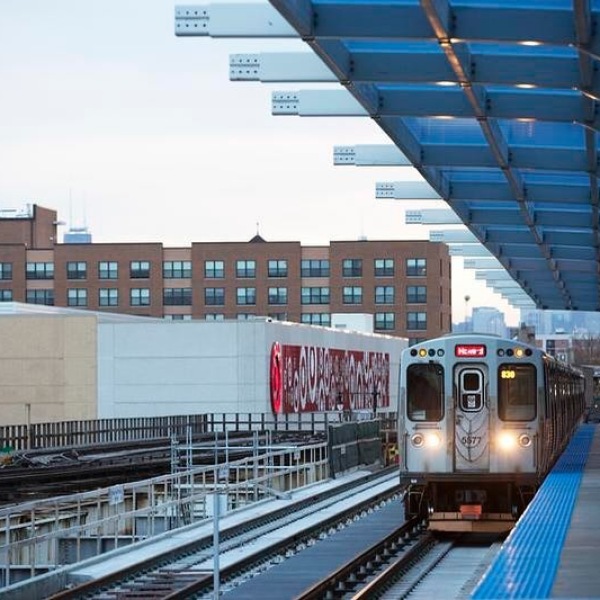
- Transit-Oriented Living: Most Historic Apartments Chicago are located within walking distance of "L" train stations and major bus lines, making car-free living very feasible.
- Bike Storage: Modernized vintage buildings almost always include dedicated bike rooms for residents.
Conclusion
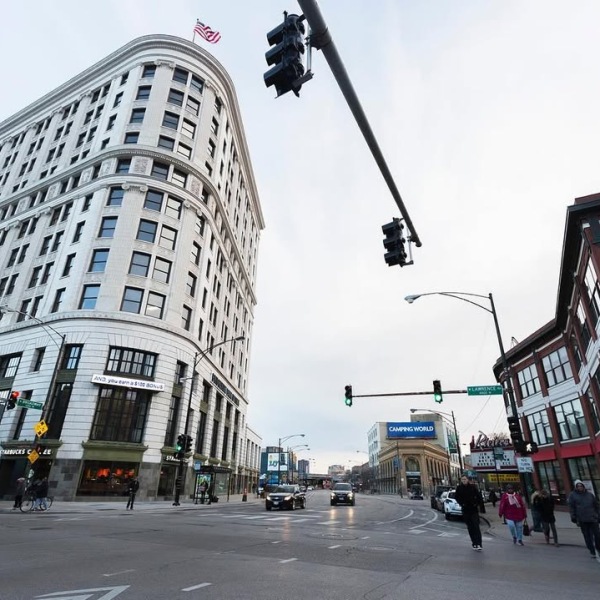
At The Teller House Apartments by Flats®, we believe that your home should be a place where you can truly thrive. By transforming a historic bank building into sophisticated modern living spaces, we offer a unique slice of Chicago's architectural legacy right in the heart of Uptown’s cultural hub. Our residents enjoy the perfect blend of 1920s grandeur and 2020s luxury, all while being steps away from the city's most iconic theaters and lakefront trails.
If you are ready to experience the timeless charm of vintage chicago apartments with the convenience of high-end finishes, we invite you to explore our community.