

Why Renting an Old House Offers a Unique Living Experience
An old house for rent offers more than just a place to live—it's a chance to experience architectural history while enjoying modern convenience. Here's what makes historic rentals stand out:
Key Benefits of Historic Rentals:
- Unique architectural features: Original hardwood floors, high ceilings, ornate moldings, and wood-burning fireplaces
- Character and craftsmanship: Details like carved oak mantels, wide-plank floors, and decorative turrets that modern builds rarely replicate
- Prime locations: Often situated in walkable urban neighborhoods or peaceful rural settings with mature landscaping
- Spacious layouts: Century homes typically offer more square footage and room dimensions than contemporary apartments
- Community and culture: Many historic districts are near universities, cultural landmarks, and vibrant downtown areas
The rental market for historic properties has grown significantly. From Victorian homes in Toronto's Annex district to pre-Civil War log cabins in Mississippi, old houses for rent span diverse architectural styles and locations. In Chicago's Gold Coast, for example, Potter Palmer-built mansions have been converted into luxury rental units, while rural areas offer century farmhouses with acreage and privacy.
What makes these properties especially appealing is how they blend historical charm with updated systems. Many landlords have thoughtfully renovated these homes to include central air conditioning, modern kitchens, and in-unit laundry while preserving original architectural elements. You get the romance of living in a piece of history without sacrificing contemporary comfort.
Whether you're drawn to the red brick facades of 1920s townhomes or the rustic appeal of 1800s farmhouses, renting a historic property offers an entirely different living experience than standard modern apartments.
The Timeless Appeal of an Old House for Rent
When we talk about the appeal of an old house for rent, we are talking about a soul that modern "cookie-cutter" developments often lack. There is a weight to the air in a home that has seen a century of seasons—a sense of permanence and artistry that greets you the moment you turn the skeleton key in the lock.

The rustic charm of these properties is found in the imperfections: the slight wave in a hand-blown glass windowpane or the gentle creak of original hardwood flooring that has been polished by generations of footsteps. Unlike modern builds that prioritize speed and cost-efficiency, historic homes were often built with materials that are now considered luxuries. We see this in the dense, old-growth timber used for structural beams and the thick masonry that provides natural soundproofing and temperature regulation.
Popular Architectural Styles for an Old House for Rent
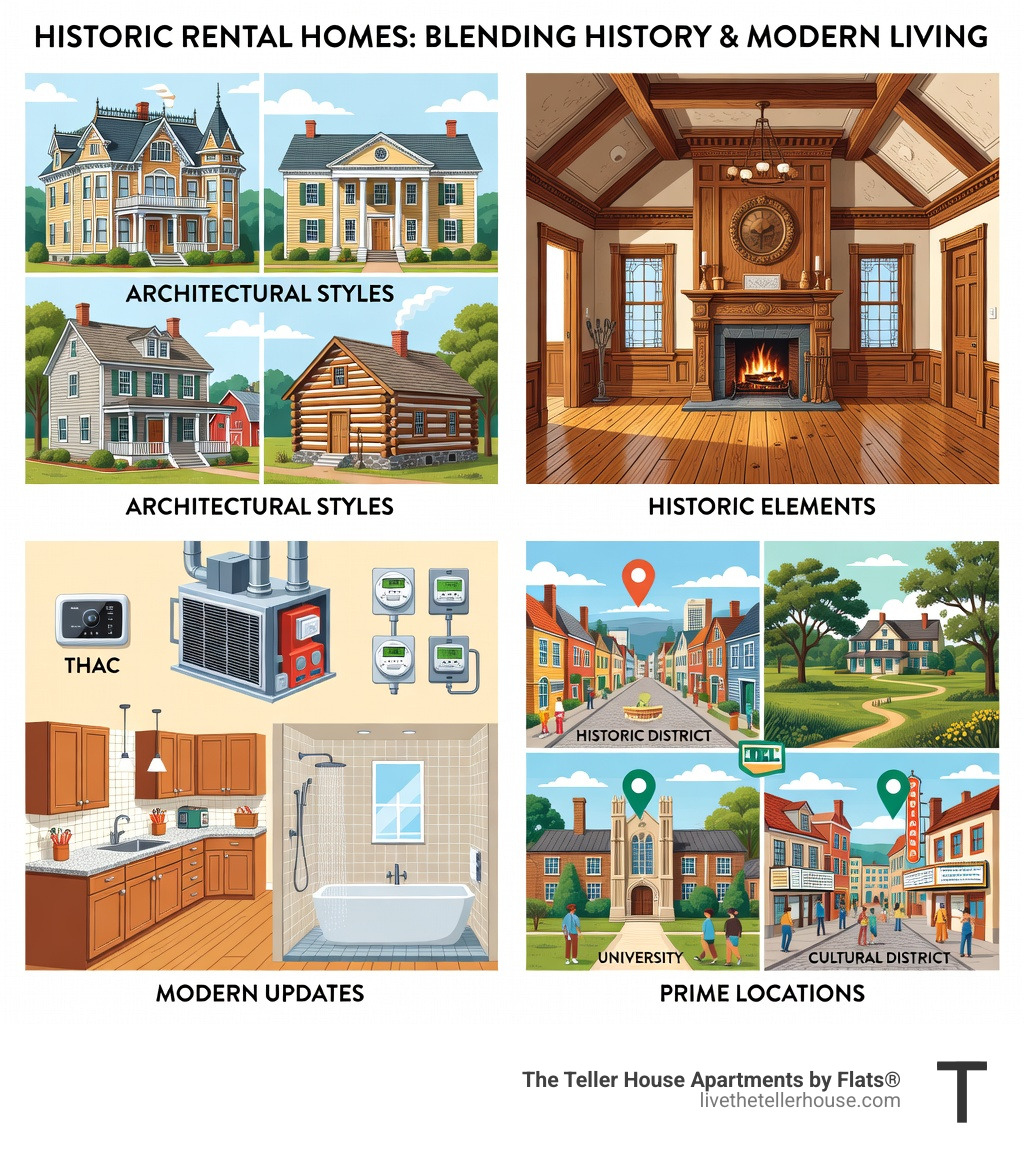
The variety of architectural styles available in the rental market is staggering. Depending on the region, you might find yourself living in a grand Victorian home, complete with decorative turrets and a wrap-around porch, or a sturdy century home built of local red brick.
In urban centers like Chicago, the architectural heritage is particularly rich. You might encounter:
- Victorian and Queen Anne: Known for their asymmetrical shapes, steep rooflines, and "gingerbread" trim.
- Potter Palmer-Style Mansions: Large, prestigious stone or brick structures often converted into multi-unit luxury residences.
- Romanesque Revival: Characterized by heavy stone, rounded archways, and a sense of fortress-like security.
- Century Duplexes: Purpose-built multi-family homes from the early 1900s that offer separate entrances and private outdoor spaces.
Unique Features and Historical Elements
What truly defines an old house for rent are the details. We often find features that serve as conversation starters for any guest:
- Wide-plank floors: Often made from heart pine or oak, these planks can be over ten inches wide, a rarity in modern construction.
- Wood-burning fireplaces: Many historic homes feature multiple hearths with carved oak mantels or imported marble surrounds.
- Claw-foot tubs: These deep, cast-iron soaking tubs are the epitome of vintage luxury.
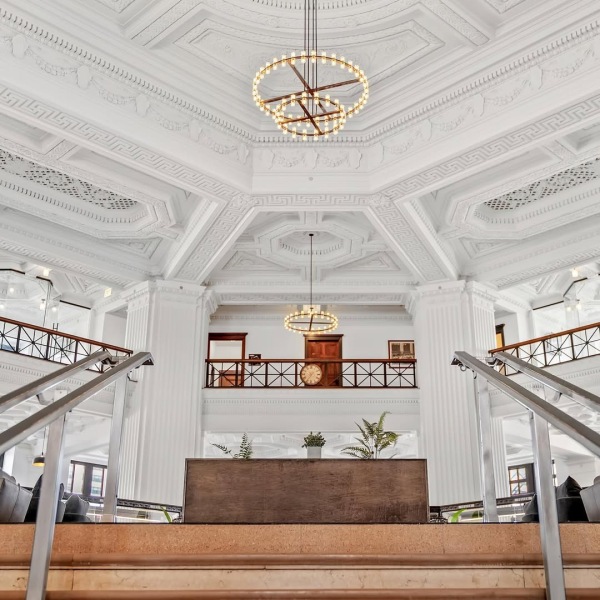
- Ornate Moldings: Plaster crown molding and deep baseboards that add a three-dimensional depth to every room.
- High Ceilings: It is not uncommon to find ten- or twelve-foot ceilings that make even modest rooms feel palatial.
Where to Find Historic Rental Properties
Finding the perfect old house for rent requires knowing where history has been preserved. While new construction dominates many suburbs, certain neighborhoods have fought to keep their architectural heritage intact.
In the United States, the National Historic Register often points the way to these gems. For those seeking an urban lifestyle, neighborhoods like the Chicago Gold Coast or the Chicago Historic Homes Guide areas offer proximity to the lakefront and downtown while housing some of the city's most storied structures.
Urban Historic Districts and Neighborhoods
Urban historic districts are perfect for those who want a blend of culture and character. These areas are typically defined by tree-lined streets and a high degree of walkability. Living in a historic building apartment or a converted mansion often places you within walking distance of:
- Cultural Hubs: Museums, theaters, and independent bookstores.
- University Influence: Areas near major institutions often have a youthful, intellectual energy and a diverse population.
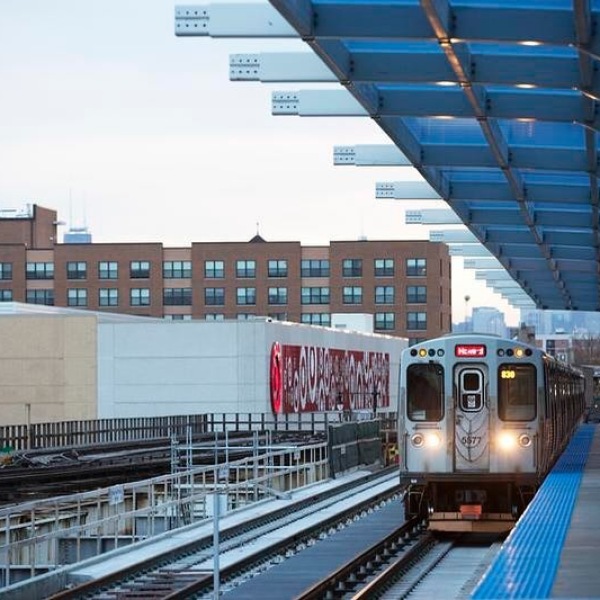
- Public Transit: Historic neighborhoods were often built around early transit lines, making them some of the most accessible areas today.
In Chicago, the leasing of historic properties is a specialized market. We see this in the Historic Apartments for Rent located in former bank buildings or grand residences that have been meticulously divided to maintain their original floor plans while adding modern amenities.
Rural Retreats and Farmhouses
For those who prefer the sound of wind in the trees over the hum of the city, rural historic rentals provide a different kind of magic. These often include 1800s colonial farmhouses or rustic log cabins.
- Acreage and Privacy: Many rural rentals come with significant land, offering space for gardening or simply enjoying the view.
- Nature Proximity: It is common to find properties that back onto parkland or offer mountain views.
- Historic Gravel Roads: The journey home often feels like a trip back in time, away from the stresses of modern traffic.
Regardless of where you choose to live, we are committed to Equal Housing Opportunity and believe that everyone should have the chance to find a home that speaks to them.
Balancing Heritage with Modern Living
A common misconception is that renting an old house for rent means living like it's 1899. In reality, the most desirable historic rentals are those that have undergone "thoughtful updates." This is the art of installing a modern chef's kitchen without tearing out the 19th-century butler's pantry.
Modern Amenities in Historic Shells
Today's renters expect certain comforts, and savvy landlords have found ways to integrate them:
- Climate Control: While thick walls provide natural insulation, many historic homes now feature discreetly installed central air conditioning or high-efficiency heat pumps.
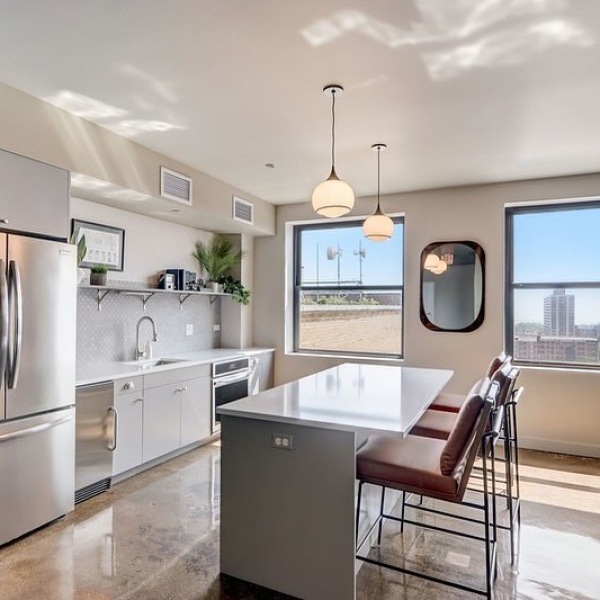
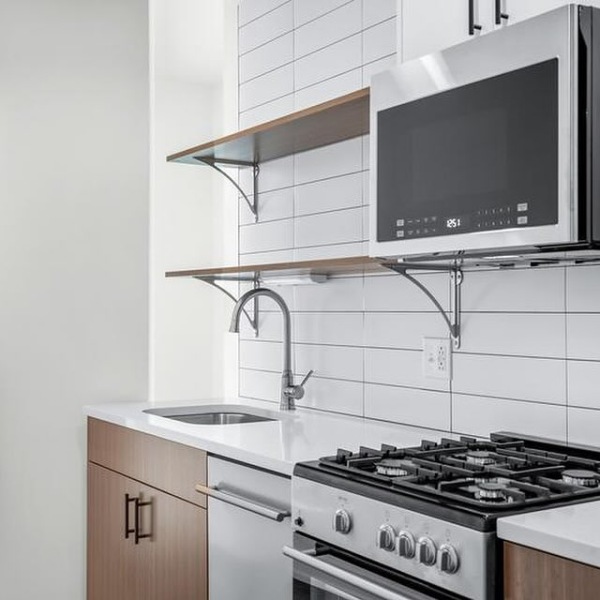
- Updated Kitchens: Stainless steel appliances and stone countertops can look surprisingly at home against a backdrop of exposed brick or original cabinetry.
- In-Unit Laundry: We often see clever uses of space, such as converting a small closet or a portion of a large basement into a modern laundry suite.
- Separate Utilities: In historic duplexes or mansion conversions, systems are typically updated so that each unit has its own meter for electricity and water.
Key Considerations Before Leasing an Old House for Rent
Before you sign a lease for an old house for rent, there are a few practicalities to keep in mind. Older homes require a different level of care than a brand-new high-rise.
- Maintenance Responsibilities: Who handles the specialized care of the property? For example, if there are original wood-burning fireplaces, who is responsible for chimney sweeping?
- Accessibility: Because many of these homes were built before modern accessibility standards, they may feature narrow doorways or steep, winding staircases. If you have specific needs, let us know Zillow Group is committed to ensuring digital accessibility for individuals with disabilities. We are continuously working to improve the accessibility of our web experience for everyone, and we welcome feedback and accommodation requests. If you wish to report an issue or seek an accommodation, please contact us.
- Parking: In dense historic districts, off-street parking can be a rarity. Check if the lease includes a garage space or if you'll be relying on street permits.
- Utility Costs: While thick walls help, high ceilings can make a home harder to heat in a Chicago winter. Ask the landlord for typical utility costs during peak months.
- Pet Policies: Many historic landlords are protective of their original hardwood floors. Always clarify the pet policy and ensure it's in writing—most allow up to two pets with specific guidelines.
Frequently Asked Questions about Historic Rentals
What are the maintenance expectations for tenants in older homes?
Generally, tenants are responsible for day-to-day care, while landlords handle structural issues and system failures. In an old house for rent, this might include being more diligent about using coasters on wood surfaces or reporting a small leak immediately to prevent damage to historic plaster. Some leases for single-family historic homes may also include yard maintenance or snow removal.
How do historic houses accommodate modern appliances?
Most historic rentals have had their electrical systems upgraded to handle the load of modern refrigerators, dishwashers, and entertainment systems. In many Chicago historic apartments for rent, you will find that "GFI" outlets have been installed in kitchens and bathrooms to meet current safety codes, even if the walls themselves are over a century old.
What should I look for during a walkthrough of a century home?
Pay attention to the "bones." Open and close the windows to see if they stick. Look at the ceilings for signs of past water damage. Check the water pressure in those beautiful claw-foot tubs. Most importantly, look at how the modern updates were handled—are the new outlets and vents placed discreetly, or do they clash with the architectural integrity?
Conclusion
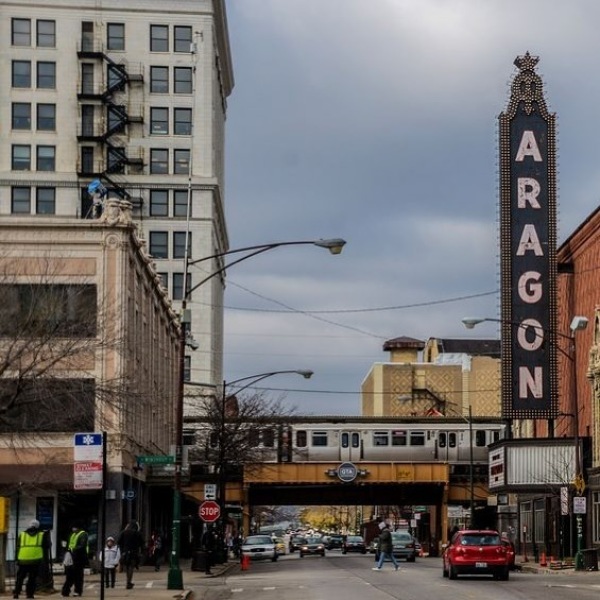
At The Teller House, we believe that your home should be a reflection of your lifestyle and a tribute to the city's past. We have taken the iconic architecture of a historic bank building in Uptown Chicago and transformed it into luxury apartments that offer the best of both worlds.
Our residents enjoy the sophisticated design of a historic apartment in Chicago combined with the prime location near the city's most famous theaters and cultural landmarks. If you are looking for more than just a place to sleep—if you are looking for a piece of history to call your own—we invite you to explore what we have created.
Experience the elegance of the past with the luxury of the present. Visit us at https://livethetellerhouse.com/ to find your next home in the heart of Chicago's heritage.