


Why Finding a No Breed Restriction Apartment Is Harder Than It Should Be
Looking for no breed restriction apartments? Here's what you need to know fast:
- Many landlords ban specific breeds — not based on your dog's behavior, but because of their insurance policy.
- Commonly restricted breeds include Pit Bulls, Rottweilers, German Shepherds, Dobermans, Mastiffs, and Huskies.
- No breed restriction properties do exist — and there are proven ways to find them and qualify.
- Federal law protects assistance animals from breed bans, but regular pets have no such guarantee.
- You can improve your chances with tools like pet resumes, Canine Good Citizen certifications, and pet liability insurance.
Every year, tens of thousands of pets enter animal shelters — not because their owners stopped loving them, but because a landlord's pet policy left families with no other option.
It's a frustrating reality for urban renters. You find the perfect apartment in a great neighborhood, only to discover your dog's breed is on a restricted list. No exceptions. No appeal. Just pack up and keep searching.
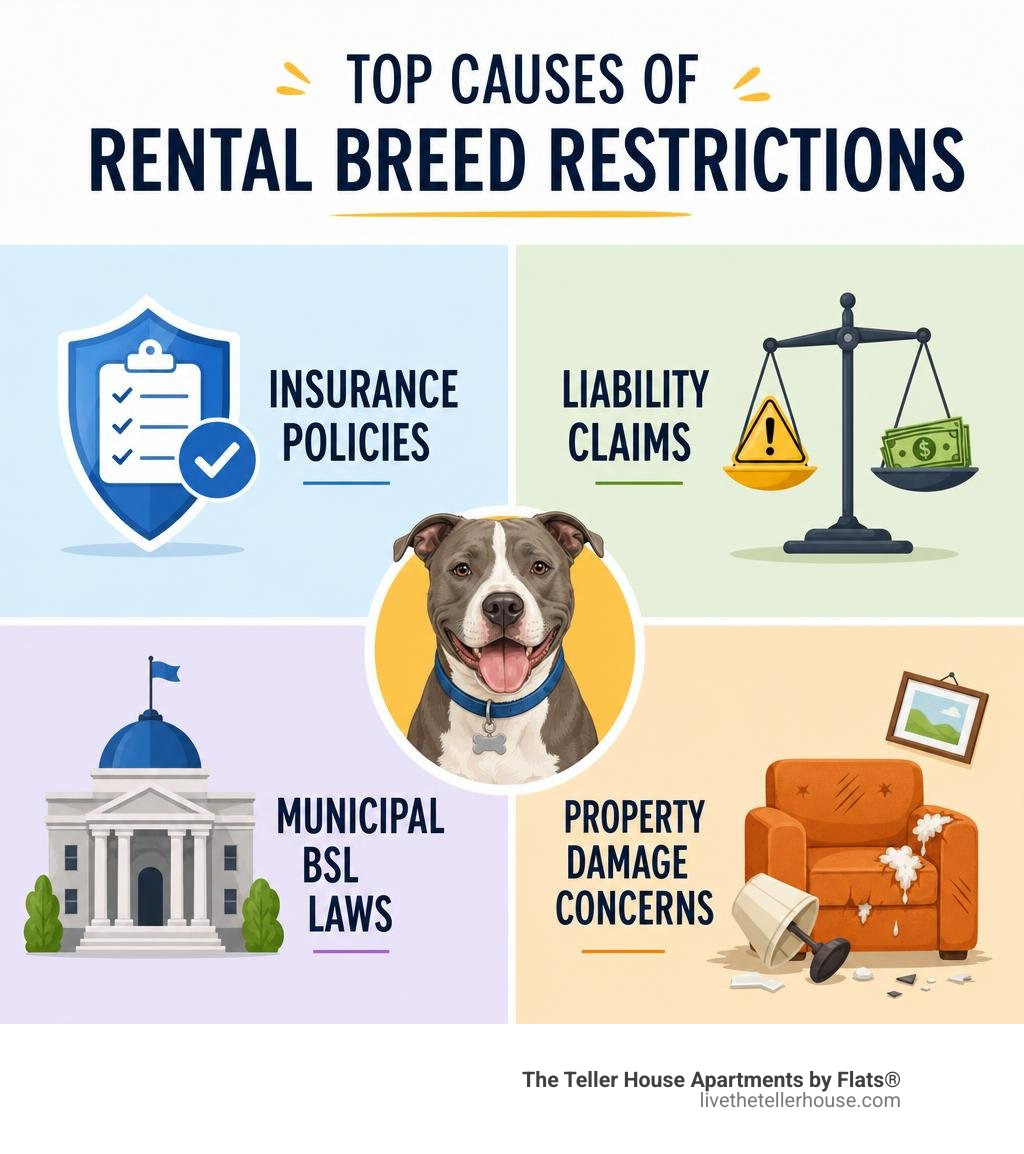
The problem is bigger than most people realize. Landlords often restrict breeds not because of anything your specific dog has done, but because their insurance carrier won't cover certain breeds on the property. It's a business decision — one that can feel deeply unfair when your well-trained, gentle dog is the one paying the price.
And the science doesn't back up the fear. A 2022 study published in Science found that breed accounts for less than 9% of the variation in individual dog behavior. Yet the restrictions remain widespread.
The good news? No breed restriction housing exists in more places than most renters know about. And there are practical, proven steps you can take to find it — or to make a strong case with a landlord who's on the fence.
This guide covers everything the apartment search process won't tell you upfront.
The Truth About Breed Restrictions and Why Landlords Impose Them
To navigate housing rules successfully, it helps to understand why property owners implement restrictive policies in the first place. Landlord breed bans are rarely personal; they are fundamentally rooted in legal risk management and property management protocols. Understanding these mechanics empowers pet owners to address property concerns directly and professionally. For a deeper look into the legal nuances surrounding landlord policies, explore Are Breed Restrictions in Apartments Legal?.
Property managers must balance community safety, building preservation, and operational needs. Unfortuntely, broad breed exclusions are often used as a quick shortcut for risk assessment. However, forward-thinking property providers recognize that an individual dog's temperament and owner responsibility matter far more than genetic labels.
Myth vs Science: Canine Behavior Research
Popular assumptions regarding dog breeds frequently conflict with empirical behavioral science. Research consistently demonstrates that judging an individual animal solely by visual appearance or breed label is scientifically flawed.
- Genetic Variance: As noted in landmark behavioral studies, genetics contribute under 9% of individual behavioral variation in dogs. Factors such as socialization, training, environment, and physical care exert a significantly greater influence on daily demeanor.
- Temperament Testing: Standardized evaluations from the American Temperament Test Society (ATTS) highlight high passing rates among frequently restricted breeds. For instance, American Pit Bull Terriers achieved an 87.6% passing rate, outscoring Golden Retrievers (85.9%) and Beagles (80.5%).
- Visual Misidentification: Mixed-breed dogs are frequently misidentified by sight alone, leading responsible pet owners to encounter unnecessary housing obstacles.
To learn more about how modern residential communities evaluate four-legged residents, review our pet-friendly apartments ultimate guide.
State Laws vs Private Landlord Policy Rules
A common point of confusion for renters is the distinction between government legislation and private lease agreements. More than 20 states have enacted preemption laws that prevent municipal governments from passing local breed-specific legislation (BSL). In Illinois, local municipalities cannot enforce citywide breed bans.
However, state-level BSL prohibitions restrict local government entities, not private real estate owners. A private property management company or individual landlord retains the legal authority to set house rules on their private property. Understanding local regulations, such as those outlined in Illinois Pet Rent Laws in 2026: A Guide for Landlords, helps clarify what property managers can and cannot include in standard lease terms.
10 Secrets to Securing No Breed Restriction Apartments

Finding a home that welcomes every member of your household requires strategy, preparation, and knowing where to look. Here are 10 key insights every pet parent should utilize when searching for a no breed restriction apartment.
1. The Real Reason Insurance Drives Restrictions
When asking property managers why specific breeds are restricted, the answer almost always comes back to insurance underwriting. Commercial property and general liability policies often dictate restricted breed lists.
In the United States, insurance carriers process substantial dog-related injury claims each year. Because liability payouts can be significant, insurance providers manage exposure by excluding specific breeds from standard coverage. When a building's insurance carrier places exclusions on a policy, the property owner risks losing liability coverage if an excluded breed resides on site. Understanding that property managers are protecting their insurance policies allows renters to offer effective solutions, such as securing standalone liability insurance.
2. How Landlords Handle No Breed Restriction Leasing
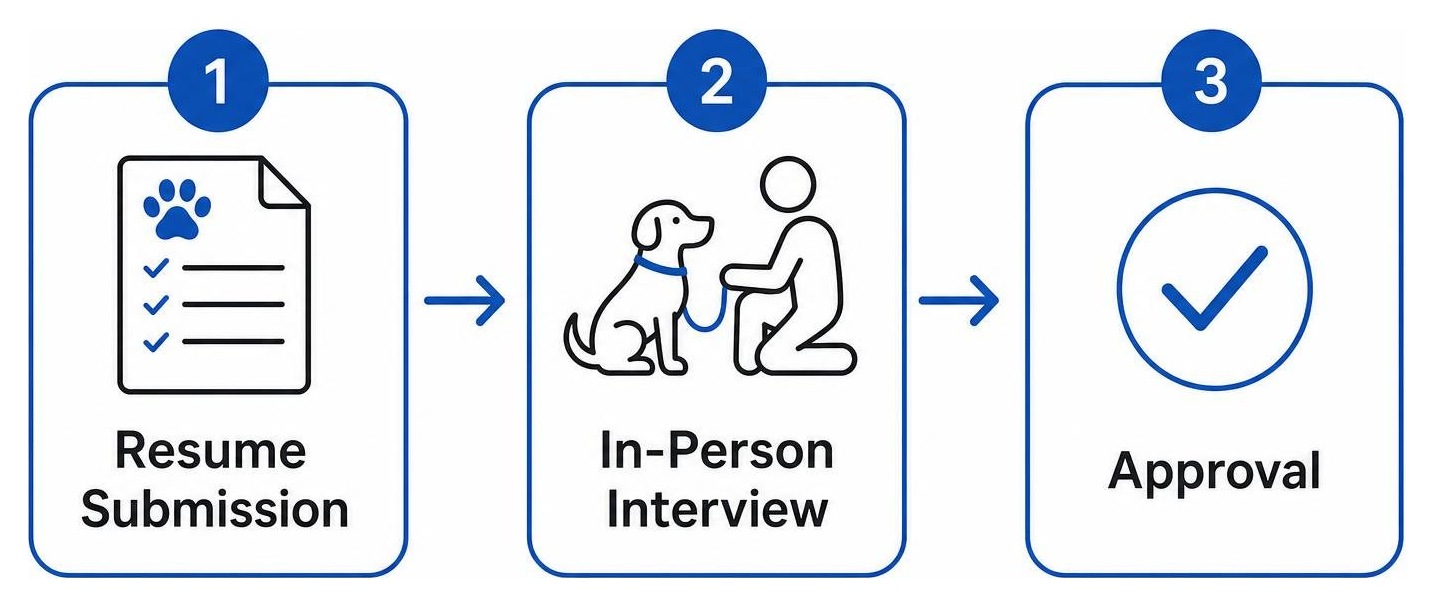
Properties offering true no breed restriction leases use comprehensive screening processes focused on behavior rather than broad exclusions. Rather than relying on rigid genetic filters, progressive leasing teams assess each animal individually.
Property managers evaluating prospective pets typically consider:
- Medical Verification: Up-to-date rabies, distemper, and core vaccination records confirmed by a licensed veterinarian.
- Behavioral Assessment: In-person or virtual pet interviews to evaluate leash manners, friendliness, and responsiveness to commands.
- Rental References: Formal documentation from previous landlords confirming that the pet did not cause property damage or excessive noise disturbances.
3. Searching Online Directories for No Breed Restriction Rentals
Finding housing that welcomes all breeds requires using specialized digital tools. General rental engines often apply catch-all "pet-friendly" tags that hide strict weight limits or breed bans deep within the fine print.
To streamline your search, utilize dedicated resources:
- Filter for Dog-Inclusive Platforms: Search using databases that specifically index properties with zero breed restrictions.
- Set Detailed Pet Profiles: Utilize listing tools that match pet profiles (including species, breed, and weight) against property requirements to avoid dead ends.
- Verify Directly: Always verify building rules directly with the leasing office before submitting an application.
Explore our comprehensive pet-friendly apartments near me guide for actionable search strategies to optimize online search parameters.
4. Leveraging Local Networks, Vets, and Shelters
Some of the best housing leads are never highlighted in standard online search ads. Grassroots community networks remain one of the most reliable methods for locating inclusive housing.
- Veterinary Staff: Local veterinary clinics maintain daily contact with pet owners across the city. Front desk staff often know which residential developments welcome all breeds.
- Shelters and Rescue Groups: Organizations like local humane societies frequently curate regional housing guides to reduce pet surrenders caused by restrictive leasing rules.
- Community Groups: Local dog owner groups on social platforms provide direct word-of-mouth recommendations from renters who have successfully signed inclusive leases.
5. Canine Good Citizen Training and Pet Liability Policies
Taking concrete steps to demonstrate responsible pet ownership can help ease landlord concerns. Two effective ways to establish credibility are formal training credentials and supplemental insurance coverage.
- Canine Good Citizen (CGC): Administered by the American Kennel Club, the CGC program tests basic obedience, leash manners, reaction to distractions, and controlled greetings. Holding a CGC certificate proves your dog is well-mannered in shared spaces like elevators and hallways.
- Pet Liability Insurance: If a building's standard insurance excludes certain dog breeds, purchasing an individual pet liability policy or rider (often offering $100,000 to $300,000 in coverage) protects the landlord against unexpected claims.
Discover more insights regarding dog-inclusive rentals in our guide to apartments that allow pit bulls.
6. DNA Tests and Visual Misidentification Issues
Visual identification is notoriously inaccurate when identifying mixed-breed dogs. Shelters and property staff frequently categorize mixed-breed pets based purely on broad physical characteristics, such as blocky heads or muscular builds, leading to unfair classification under restricted breed lists.
When prospective renters suspect their pet has been misidentified by visual appearance, providing a certified canine DNA test can clarify genetic background. Presenting objective genetic results along with veterinary records ensures leasing applications are evaluated accurately.
7. Understanding Assistance Animals and Federal Protections
Federal law provides clear protections for tenants who require assistance animals, establishing distinct rules separate from standard pet policies under the Fair Housing Act (FHA).
- Service Animals & ESAs: Under the FHA, both trained service animals and Emotional Support Animals (ESAs) are classified as assistance animals rather than pets.
- Exemption from Restrictions: Valid assistance animals are exempt from standard building pet restrictions, including breed bans and weight limits.
- Documentation Requirements: Housing providers may request reliable documentation from a qualified healthcare professional verifying the disability-related need for the assistance animal if the disability is not readily apparent. However, landlords cannot impose breed bans or extra restrictions on legitimate assistance animals.
8. Alternative Pet Policies and Two-Pet Maximum Limits
Properties offering no breed restriction leasing typically enforce standard, reasonable pet policies to maintain building quality and resident comfort.
- Two-Pet Maximum: Standard residential leasing guidelines generally cap occupancy at a maximum of two pets per apartment home.
- Clear Policy Guidelines: Renters can expect standard guidelines regarding pet registration and building rules.
- Health Records: Proof of current vaccinations and spay/neuter verification remain mandatory across professional management platforms.
Learn more about managing pet policies and lease terms by reading our resource on pets allowed rent.
9. On-Site Pet Amenities to Look For
Communities designed to accommodate all dog breeds usually feature dedicated amenities that make daily pet care convenient and enjoyable.
Key on-site features to look for include:
- Dedicated Bark Parks: Secure, fully enclosed dog runs with agility turf where dogs can exercise safely off-leash.
- Pet Wash Stations: Indoor grooming suites equipped with elevated tubs, professional wash basins, and blow dryers to keep your living space clean after outdoor walks.
- Waste Stations & Outdoor Paths: Strategically placed waste disposal stations and well-lit walking paths around the property.
To explore residences featuring specialized outdoor spaces, browse our overview of condo for rent with dog park.
10. Neighborhood Facilities and Local Dog Parks
A truly pet-inclusive lifestyle extends beyond your apartment front door into the surrounding neighborhood. Having access to dedicated outdoor recreational spaces is essential for keeping dogs healthy, engaged, and well-socialized.
In Chicago and Cook County IL, residents benefit from exceptional public recreational networks:
- Chicago Park District Dog Friendly Areas (DFAs): The city maintains designated, fenced dog parks requiring DFA permits and health documentation, offering safe off-leash play space. Explore official spots via the Dog Friendly Areas guide.
- Forest Preserves of Cook County: Offers miles of paved and natural trails along with expansive off-leash dog areas. Learn more at Dogs.
For a complete look at local pet-friendly living, explore the ultimate guide pet-friendly apartments chicago.
Frequently Asked Questions About Dog Inclusive Rentals
Are assistance animals exempt from landlord breed bans?
Yes. Under the federal Fair Housing Act (FHA), valid assistance animals—including both trained service dogs and emotional support animals (ESAs)—are legally distinguished from household pets. Housing providers must grant reasonable accommodations for assistance animals regardless of building breed bans or weight limits, and they cannot apply standard pet restrictions or extra conditions to them.
How do landlords verify dog breeds during the application process?
Landlords typically verify dog breeds through official veterinary records submitted during the application process. These documents include vaccination certificates, medical histories, and county licensing forms. In cases where visual appearance creates confusion regarding mixed breeds, property managers may request a formal pet interview or invite applicants to submit a canine DNA test.
Can state legislation override an individual landlord's pet restrictions?
No. While state statutes in over 20 states prohibit municipalities from passing citywide breed-specific legislation, those laws do not prohibit private landlords from enforcing pet rules on their own properties. Private real estate owners retain the legal right to set pet guidelines, weight caps, or breed restrictions within lease contracts, provided those rules do not violate federal housing protections for assistance animals.
Conclusion
Finding a home with no breed restriction policies shouldn't feel like an impossible challenge. By understanding why restrictions exist, assembling a strong pet portfolio, utilizing specialized search databases, and preparing your dog with obedience certifications, you can navigate your apartment search with confidence.
At The Teller House, we offer luxury living spaces in Uptown Chicago inside a beautifully restored historic bank building. We combine high-end apartment design with a warm, dog-friendly community atmosphere located steps from prominent neighborhood theatres and cultural landmarks. We believe pets are family, and we welcome up to two pets per household without arbitrary breed labels.
Ready to find your next home in Uptown Chicago? Explore our community details in our pet-friendly apartments uptown chicago guide and schedule a tour today!