

What Is an Industrial Apartment? (And How to Make It Look Great)
An industrial apartment is a living space that draws from the raw, unfinished look of old factories and warehouses - think exposed brick, concrete floors, steel beams, and oversized windows.
Here's a quick breakdown of what defines the style:
- Origin: Converted factories and warehouses, first popularized by artists in 1960s New York City's SoHo neighborhood
- Layout: Open floor plan with minimal interior walls, typically over 1,000 sq ft
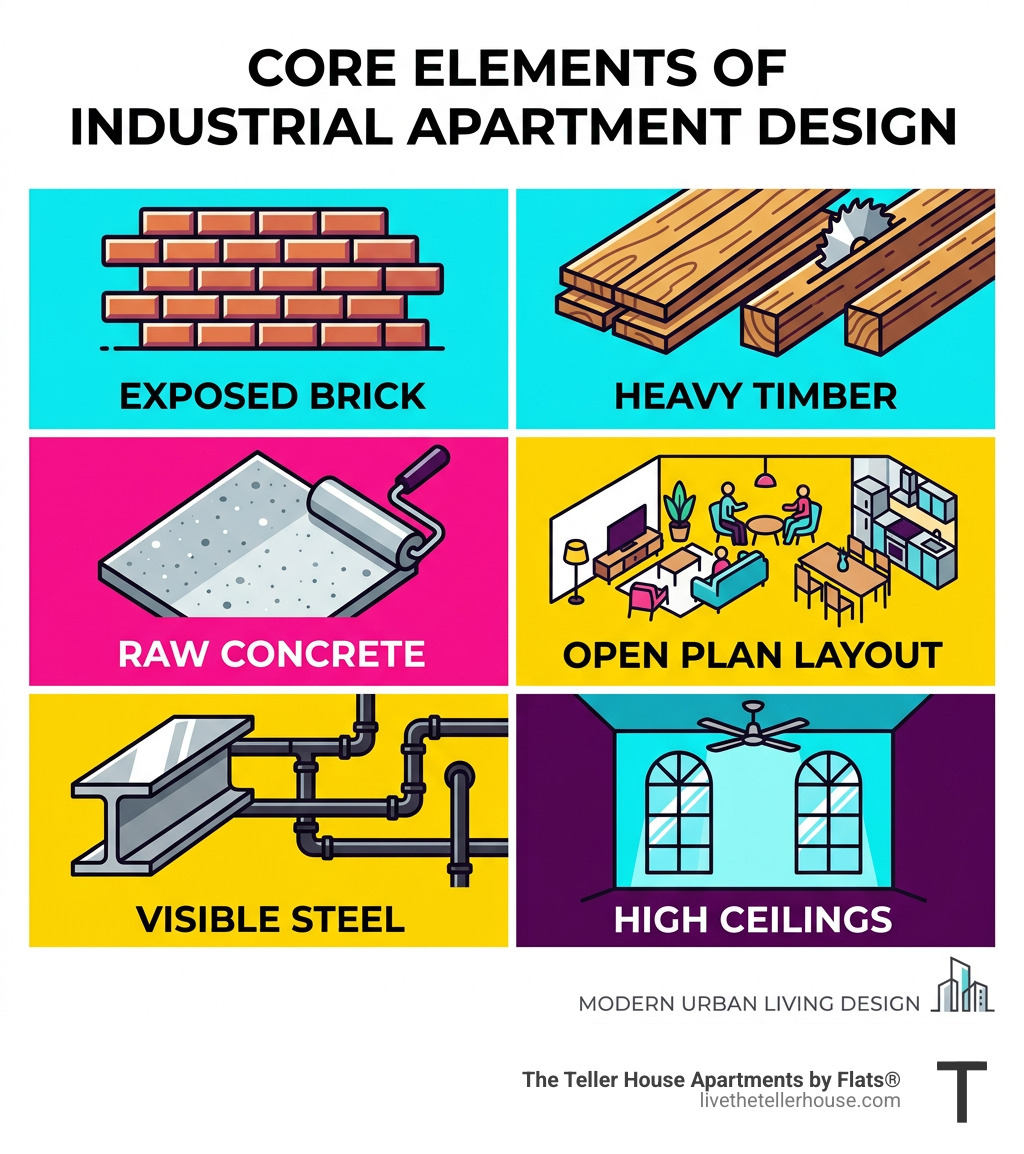
- Key materials: Exposed brick, raw concrete, heavy timber, visible steel and ductwork
- Ceiling height: Usually 12 to 18 feet high
- Windows: Large, often floor-to-ceiling with black steel frames
- Feel: Urban, raw, and spacious - but it can easily tip into an unfinished look without the right design choices
There are two main types: hard lofts (actually converted from industrial buildings) and soft lofts (newly built to mimic that historic style). Both share the same aesthetic DNA.
The appeal is real. But so is the challenge.
Without thoughtful design, all that raw material - bare concrete, exposed pipes, dark metal - can feel cold and chaotic rather than polished and intentional. That's exactly the line this guide helps define.
Defining the Industrial Loft Aesthetic
To understand the industrial apartment look, it helps to look back at where it began. The style is not just a modern trend; it is rooted in urban history. In the 1960s, the manufacturing industry in New York City's SoHo district began to shift. Large factories and warehouses were left vacant, and artists began using these buildings for their generous square footage and natural light.
What started as a practical use of former industrial buildings eventually evolved into a global design style. Today, the loft meaning has shifted from artist workspace to a symbol of sophisticated urban living. The essence of the aesthetic remains the same: celebrating the bones of a building rather than hiding them behind drywall and wallpaper.
In Chicago, this history can still be seen in neighborhoods with preserved industrial architecture. Buildings that once served commercial or manufacturing purposes now provide homes with character, volume, and texture. The aesthetic is defined by its honesty - materials like steel, wood, and brick are left in their natural state, telling the story of the building itself.
Key Architectural Features of an industrial apartment
If you are trying to identify an authentic industrial apartment, there are several defining features to look for. These architectural details provide the foundation for the entire design.
- Exposed Brick Walls: This is one of the most recognizable features. Whether it is original red clay brick or weathered cream city brick, these walls provide instant texture and warmth. If your space does not have them, some designers use brick slips - thin slices of real brick - to achieve the look without a full renovation.
- Heavy Timber and Steel Structures: In older Chicago buildings, you may find massive wooden beams or steel skeletons. These elements are not just decorative; they are part of the building's original structure.
- Visible Ductwork and Plumbing: In a standard apartment, pipes and vents are hidden. In an industrial space, they are often celebrated as part of the design. Polished chrome or matte black ventilation pipes running across the ceiling add a sense of functional rhythm.
- Concrete or Polished Hardwood Floors: Concrete is a staple of the warehouse look. It is durable, raw, and reflects light beautifully when polished. Alternatively, many historic conversions feature original hardwood that has been naturally worn over decades of use.
- Factory-Style Windows: A true warehouse-inspired space often features factory style windows. These are typically large, multi-paned windows with black steel frames. They are a major reason lofts feel bright and airy, and keeping them unobstructed is key to the aesthetic.
Hard Lofts vs. Soft Lofts: Understanding the Difference
When we talk about an industrial apartment, it’s important to distinguish between "Hard Lofts" and "Soft Lofts." While they might look similar at a glance, the living experience can be quite different.
Hard Lofts are the "real deal." These are historic buildings—factories, warehouses, or even banks—that have been converted into residential units. Think of buildings like the River West Lofts (originally built in 1897) or Lake Street Lofts (built in 1886). These spaces come with "soul." You get the original high ceilings (often 12 to 16 feet), authentic exposed brick, and the unique quirks of a building that has stood for over a century. However, because they weren't originally built for living, they can sometimes have "shoe-box" layouts where square footage is lost to long hallways, or bedrooms that "borrow" light from the main living area rather than having their own windows.
Soft Lofts, on the other hand, are new constructions designed to look like old warehouses. They feature the high ceilings and large windows but often come with more modern "creature comforts." You might find better soundproofing, more traditional closet space, and updated energy-efficient systems.
| Feature | Hard Loft (Historic Conversion) | Soft Loft (New Construction) |
|---|---|---|
| History | Authentic industrial past | Modern build, industrial style |
| Materials | Original brick, timber, and steel | Often faux-brick or modern concrete |
| Ceilings | Very high (12–18 ft) | High (10–12 ft) |
| Sound | Can be echoey; less insulation | Better acoustic privacy |
| Layout | Open, often unconventional | More traditional, defined rooms |
| Character | High; unique architectural quirks | Clean; intentional design |
Essential Design Tips for an industrial apartment
Now, how do you make all these raw materials feel like a home? The goal is to balance the hard elements with soft touches. If you have concrete floors and brick walls, introduce fabrics and organic shapes to prevent the space from feeling stark or unfinished.
1. Master the Material Mix
The secret to warehouse interior design is the metal-and-wood balance. Metal provides edge, while wood provides warmth. If you have a dining table with a reclaimed wood top, pair it with black steel legs. If you have a leather sofa, add a metal-framed coffee table. This contrast in textures creates visual interest and makes the design feel intentional.
2. Stick to a Neutral Palette
A base of neutral tones - grays, blacks, whites, and browns - allows the natural colors of brick and wood to stand out. Dark accents through hardware, light fixtures, and window frames help create cohesion. Think of the building's materials as the canvas and your furniture as the finishing layer.
3. Incorporate Soft Furnishings
To soften hard surfaces, use vintage rugs or distressed fabrics. A faded Persian rug on a concrete floor does not just look great; it also helps absorb sound. Compact leather or faux-leather seating is a classic choice because it ages beautifully and fits the rugged vibe.
4. Use Plants to Soften the Edge
Plants are one of the easiest ways to soften an industrial space. Green foliage creates a beautiful contrast against red brick or gray concrete. Large leafy plants like fiddle leaf figs or monstera can fill empty corners, while succulents in concrete planters fit naturally on a windowsill.
Maximizing Space in an industrial apartment
A challenge of an industrial apartment is the lack of walls. While the open plan is beautiful, it can be difficult to define where one area ends and another begins. This is where zoning comes into play. You can find more detailed strategies in our chicago loft apartments for rent ultimate guide, but here are the basics:
- Area Rugs as Boundaries: Use large area rugs to define specific areas. A rug under the dining table and a different one in the seating area creates a visual border without blocking the view.
- Broken-Plan Living: Instead of full walls, use partitions like open bookshelves or folding screens. This allows light to flow through while still providing a sense of separation.
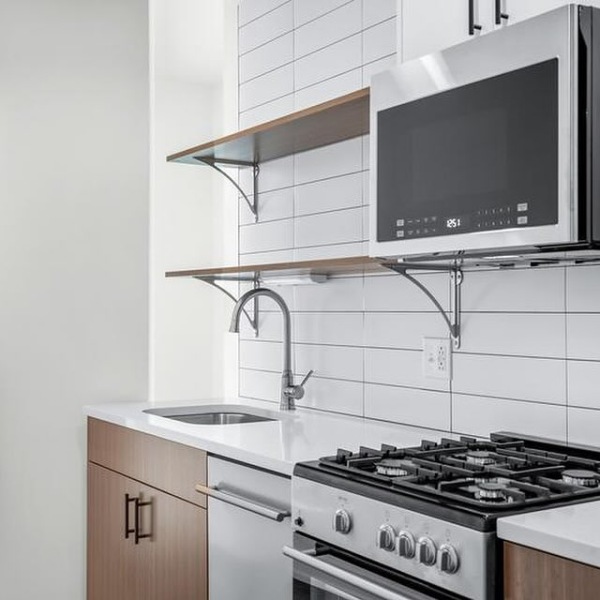
- Vertical Storage: With tall ceilings, your storage should go up, not just out. Use tall, open shelving units with metal brackets. This keeps floor space clear and draws the eye upward, emphasizing the height of the room.
- Double-Sided Furniture: A sofa or central feature piece can act as a divider between two zones. Backless bar stools are also useful in kitchens because they can be tucked away, keeping sightlines clean.
Lighting and Window Treatments for Open-Plan Spaces
Lighting is the "jewelry" of an industrial apartment. Because these spaces often have high ceilings, standard flush-mount lights will look lost. You need "statement" lighting.
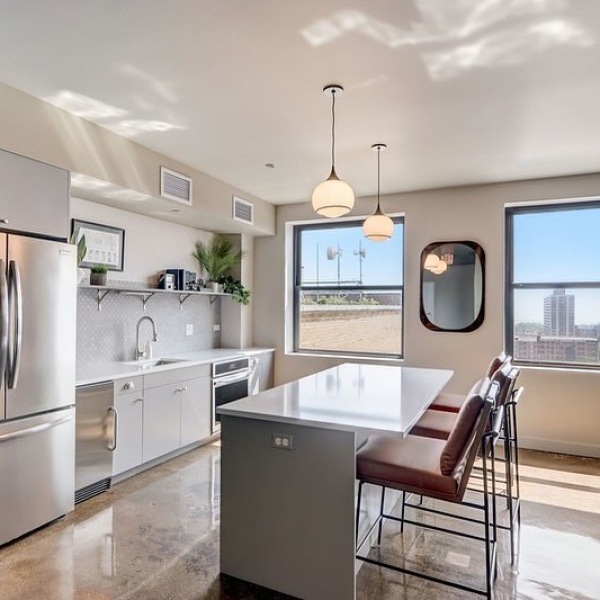
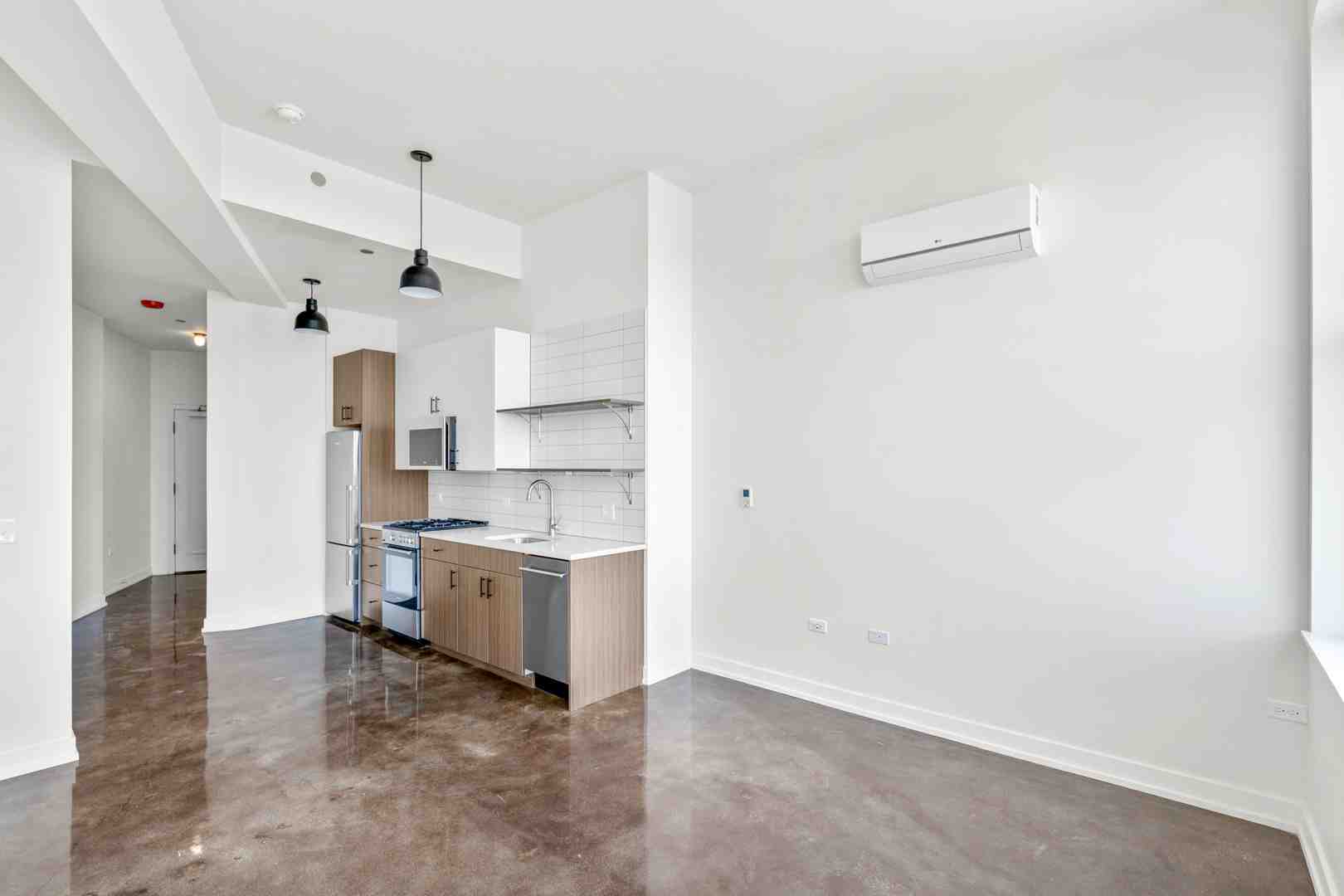
- Oversized Metal Domes: Large pendant lights with a wide spread are perfect for dining areas or over a kitchen island. They help "anchor" the space.
- Concrete Pendants: For a more modern industrial twist, concrete light fixtures add a tactile, heavy feel that complements the architecture.
- Track Lighting: This is a very practical choice for lofts. It allows you to aim light at specific pieces of art or work surfaces without needing to drop wires through a concrete ceiling.
- Minimalist Window Treatments: When it comes to those massive factory windows, less is more. We generally recommend blinds over heavy curtains. Blinds maintain the clean, geometric lines of the steel frames and can be fully retracted to maximize natural light. If you must use curtains, choose sheer fabrics or neutral linens that don't compete with the view.
Common Mistakes to Avoid in Warehouse Design
Even with the best intentions, it is easy to make a few wrong turns when decorating a loft. Here are the most common pitfalls:
- Overdecorating the Walls: If you have a beautiful exposed brick wall, you do not need to cover every inch of it with photos. Let the brick be the art. A single large statement piece is often more effective than a crowded gallery wall.
- Oversized Furniture: It is tempting to buy massive furniture to fill a large room, but oversized pieces can make the space feel cramped rather than expansive. Focus on leggy furniture - pieces where you can see the floor underneath - to maintain the sense of openness.
- Ignoring Storage: Most industrial conversions were built before the era of walk-in closets. If you do not plan for storage, an intentional loft can quickly start to feel cluttered. Use vintage trunks, wooden crates, and sleek wardrobes to keep belongings tucked away.
- Dark Color Overload: While black and charcoal are staples of the style, too much dark color in a space with concrete floors can make it feel cave-like. Balance dark accents with plenty of white or light gray to keep the airy feel alive. For more tips on balancing upscale finishes and industrial character, check out our luxury loft rentals chicago guide.
Frequently Asked Questions about Industrial Living
What is the difference between an industrial loft and a studio?
While both are often open-concept, the main difference is size and history. A studio apartment is typically designed to be a compact, efficient living space. An industrial apartment or loft is usually much larger and features the specific architectural bones - high ceilings, brick, timber, and open layouts - associated with converted commercial buildings.
How do you make a large industrial space feel cozy?
Coziness in a loft comes from softness. Use vintage rugs to cover cold floors, add throw pillows in natural textures like wool or linen, and choose warm light bulbs around 2700K instead of cool white ones. Plants and books also help make a large space feel more personal and grounded.
Are industrial apartments typically pet-friendly?
Many are. Because lofts often feature concrete or hardwood floors, they can be practical for households with pets. Pet policies vary by property, so it is always best to confirm the current guidelines directly with the community.
Conclusion
Living in an industrial apartment is about more than just a floor plan; it’s about embracing a piece of history and making it your own. Whether you are drawn to the rugged charm of a "hard loft" or the polished functionality of a modern conversion, the key is to let the building's character shine through while adding enough personal warmth to make it a home.
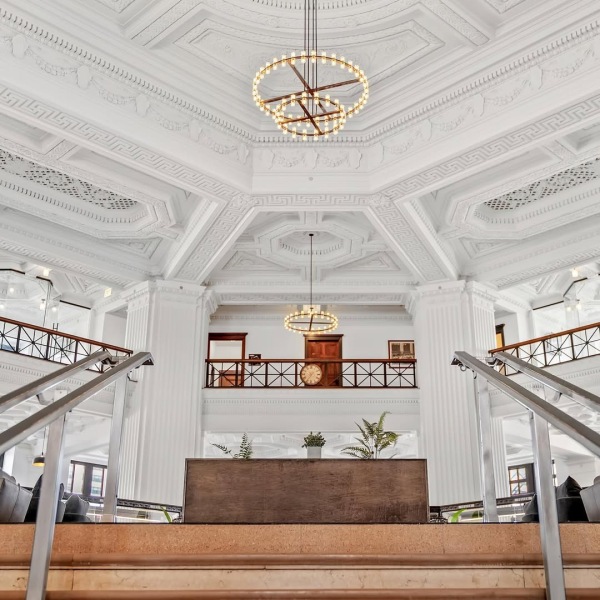
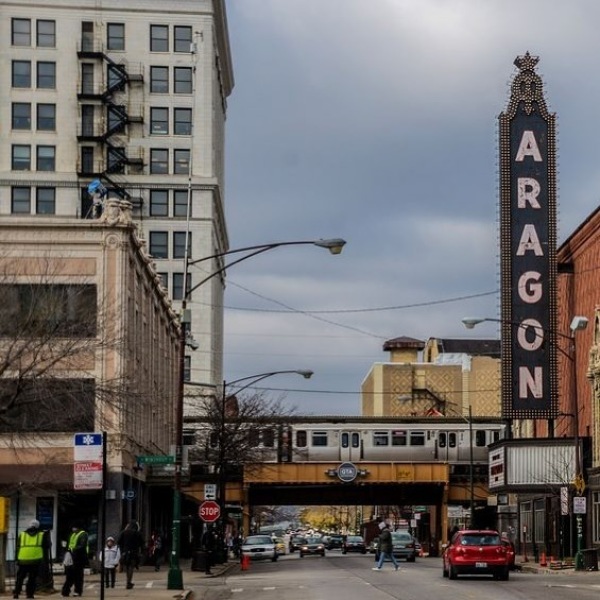
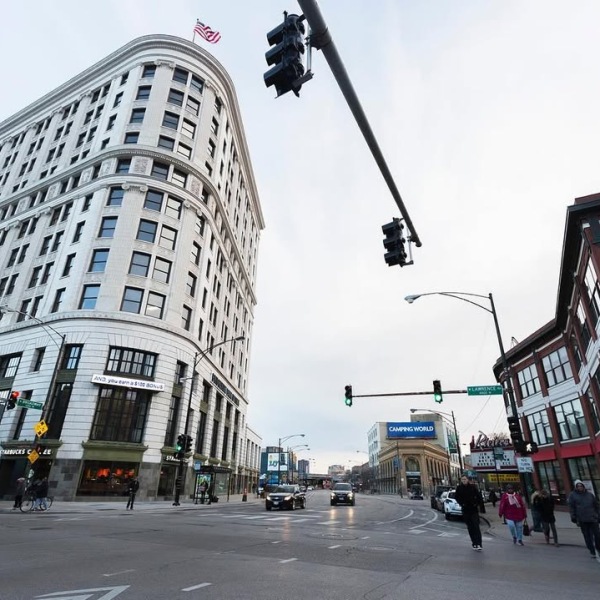
At The Teller House, we’ve taken this philosophy to heart. By transforming a historic bank building in Uptown Chicago into modern living spaces, we offer the perfect blend of sophisticated design and historic "bones." Our apartments feature the high ceilings and architectural interest of a classic loft, situated right in the heart of a vibrant cultural district near legendary theatres. If you are looking for luxury lofts in chicago that feel both historic and high-end, we invite you to see how intentional industrial living can truly be.