

Historic Uptown Luxury Homes: Character, Comfort, and City Access
Historic uptown luxury homes pair lasting architectural character with the comforts buyers expect today. They may be restored single-family residences, landmark townhomes, or homes within thoughtfully adapted historic buildings.
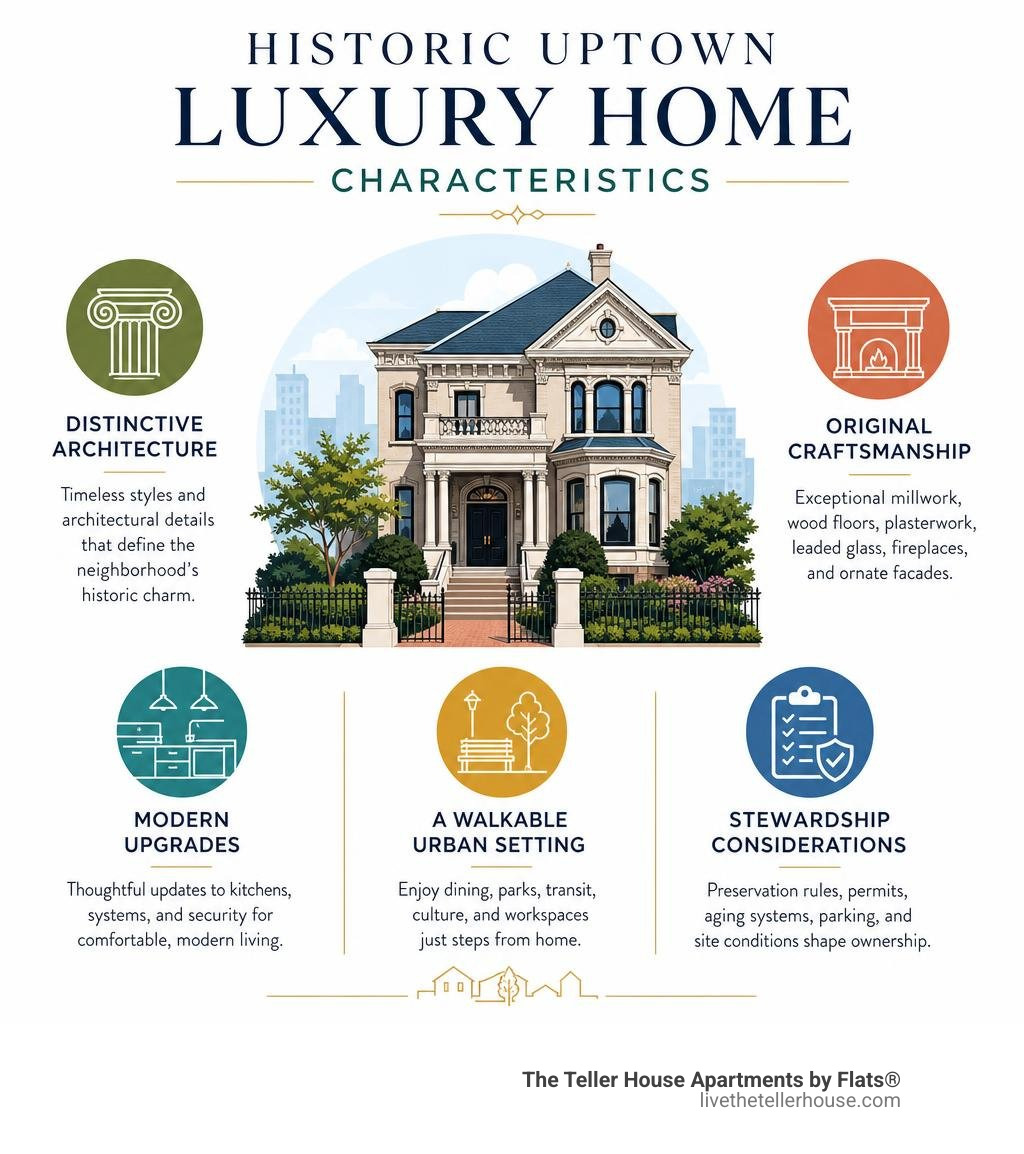
At a glance, these properties are often defined by:
- Distinctive architecture, such as Craftsman, Mediterranean Revival, Queen Anne, Prairie, or Beaux-Arts details
- Original craftsmanship, including millwork, wood floors, plasterwork, leaded glass, fireplaces, and ornate facades
- Modern upgrades, from current kitchens and climate systems to improved electrical, plumbing, and security features
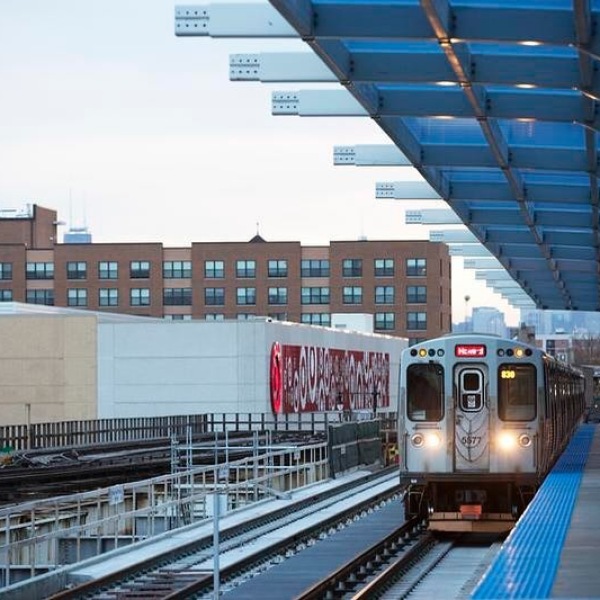
- A walkable urban setting, with restaurants, parks, transit, cultural venues, and workspaces close by
- Stewardship considerations, because preservation rules, permits, aging systems, parking, and site conditions can shape ownership
The appeal is simple: new construction can deliver convenience, but it cannot reproduce a century of design, materials, and neighborhood history. For buyers who value both a refined home and a connected city lifestyle, historic Uptown offers a compelling mix of place, personality, and daily access.
Architectural Styles Defining Historic Uptown Luxury Homes
The visual landscape of Uptown is rooted in a rich tapestry of late 19th- and early 20th-century design. When wandering through the tree-lined avenues of this vibrant community, you will observe structural forms that reflect significant movements in American architecture.
From ornamental residential homes to grand commercial and residential conversions, the variety of styles gives every street corner its own distinct personality.

Prairie and Queen Anne Masterpieces
Among the most celebrated single-family structures in the area are Prairie-style residences and Queen Anne Victorian homes.
Queen Anne design, popular in the late 19th century, is known for expressive silhouettes. Key traits include:
- Asymmetrical floor plans and multi-gabled rooflines
- Decorative turrets and prominent corner towers
- Expansive wrap-around front porches framed by detailed woodwork
- Complex interior layouts featuring grand entries, fireplaces, and custom stained glass windows
In contrast, Prairie-style architecture reflects a distinctly Midwestern philosophy popularized by Frank Lloyd Wright and his contemporaries. These structures blend into the landscape through clean, horizontal lines. Signature elements include broad overhanging eaves, low-pitched roofs, integrated planters, and geometric art glass windows that draw warm natural light deep into living spaces. Discover more about the architectural evolution of these neighborhoods in our detailed chicago historic homes guide.
Beaux-Arts and Revival Elegance
As the area grew rapidly in the early decades of the 20th century, architectural designs evolved toward grand Beaux-Arts and Classical Revival structures. Known for symmetry, monumental scale, and rich stone masonry, Beaux-Arts buildings bring European elegance to the urban landscape.
Common traits of Beaux-Arts and Revival architecture include:
- Heavy limestone and granite exterior masonry with decorative cornices
- Symmetrical facades adorned with classical pilasters and arched window openings
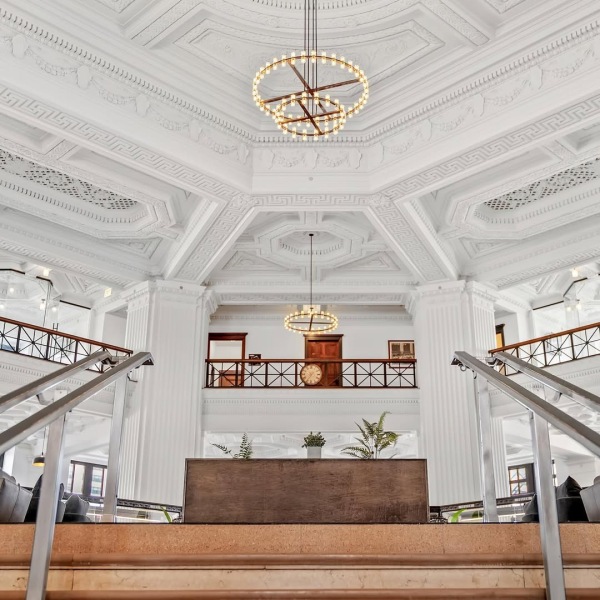
- Soaring interior spaces with marble foyers, coffered ceilings, and detailed plasterwork
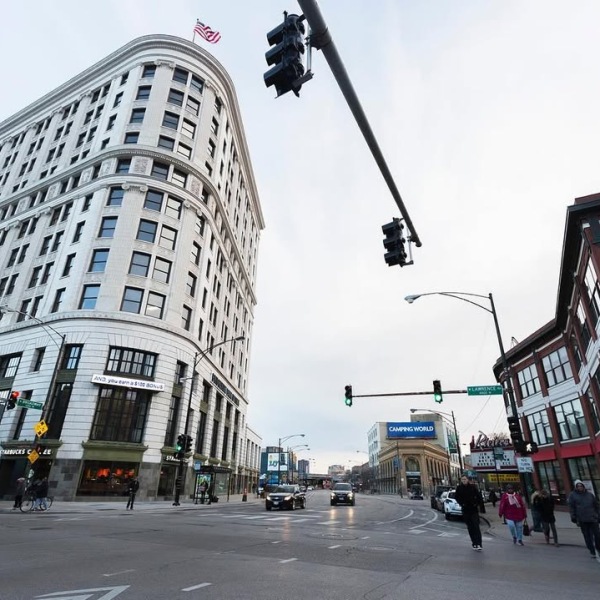
This architectural tradition extends beyond single-family homes into grand commercial and financial structures. Through modern adaptive reuse, historic bank buildings and institutional landmarks are routinely converted into grand residential spaces. These adaptive conversions maintain historic exterior masonry and double-height interiors while adding contemporary residential comforts. This architectural cross-over mirrors national movements seen in iconic Upper West Side Beaux-Arts architecture, where historic structural shells house modern luxury residences.
Essential Amenities and Features of Historic Uptown Luxury Homes
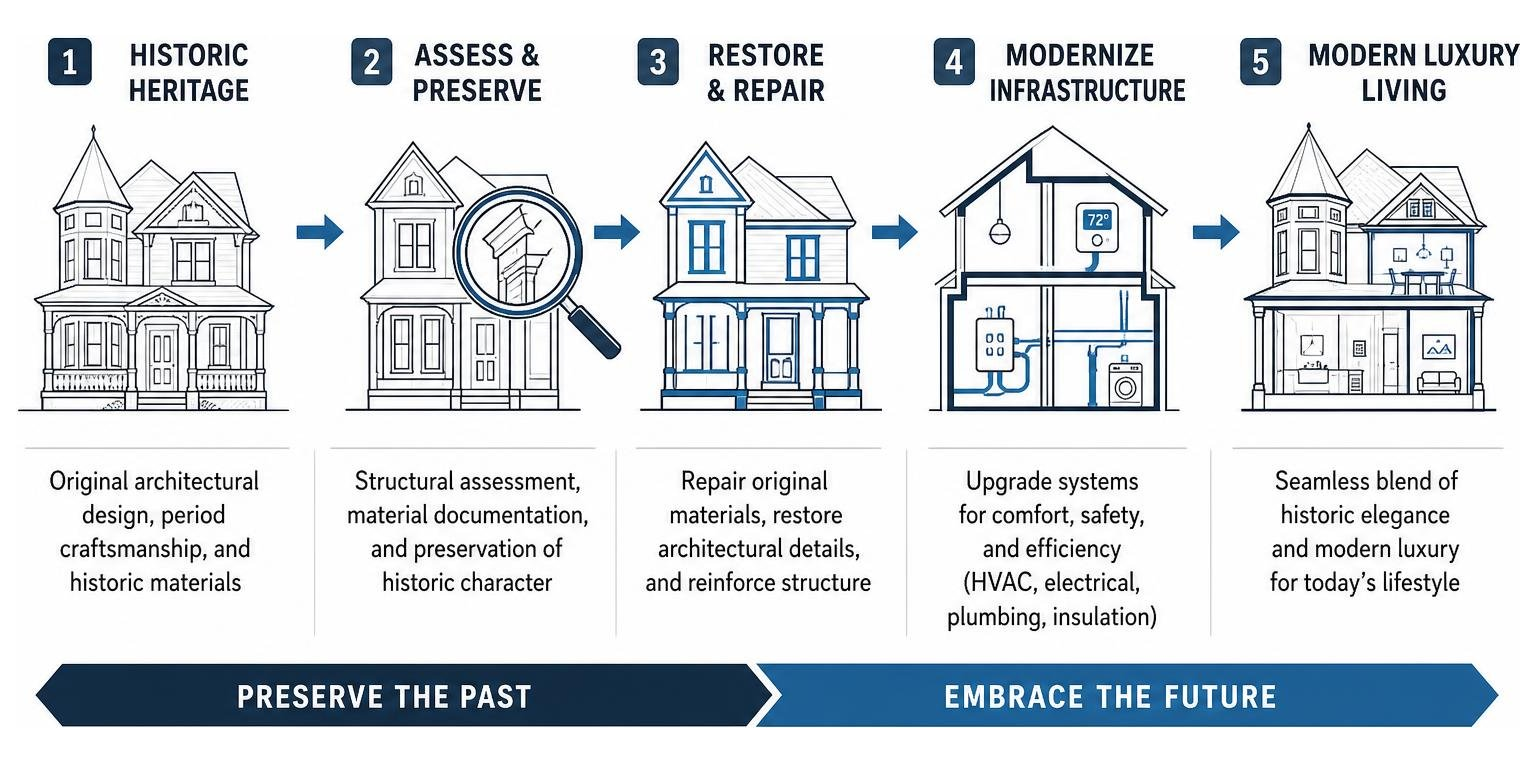
Living in a historic property means enjoying a balance between period craftsmanship and modern infrastructure. While classic homes offer generous spatial proportions and hand-crafted building materials rarely found in newer construction, contemporary living requires seamless climate control, upgraded power distribution, and modern kitchens.
| Aspect | Historic Craftsmanship | Modern Luxury Integration |
|---|---|---|
| Interior Woodwork | Solid oak/walnut millwork, crown molding, hand-carved mantels | Precision restorative staining, integrated hidden LED cove lighting |
| Windows & Light | Leaded glass, decorative art glass, double-hung wood frames | Custom interior storm glazing, UV protection, automated window shades |
| Space & Layout | Soaring 10- to 20-foot ceilings, formal foyers, double parlors | Open-concept entertaining zones, flexible home office suites |
| HVAC & Systems | Cast-iron radiators, original gravity ventilation stacks | Multi-zone high-velocity climate control, smart thermostats |
| Kitchens & Baths | Butler pantries, clawfoot tubs, built-in linen cabinets | Professional chef ranges, marble spa showers, custom cabinetry |
Preserving Craftsmanship in Historic Uptown Luxury Homes
The soul of any historic residence rests in its original detail. Craftsmen built these homes with high-density old-growth hardwoods, custom plaster mixtures, and hand-carved stone.
Restoring and preserving these elements requires precise stewardship:
- Millwork and Flooring: Original quarter-sawn oak, mahogany, and maple flooring are carefully sanded and refinished to highlight historic grain patterns. Pocket doors, picture rails, and baseboards are meticulously cleaned and preserved rather than replaced.
- Fireplaces and Plasterwork: Decorative fireplace surrounds featuring imported tile or hand-carved mantels often anchor principal living rooms. Intricate ceiling medallions and crown plasterwork are preserved by skilled restoration tradespeople.
- Leaded and Stained Glass: Decorative windows crafted from hand-blown or leaded glass are re-leaded and sealed, preserving artistic heritage while preventing draftiness.
To explore how historical woodwork and vintage elements are preserved across residential spaces, read our comprehensive vintage chicago apartments guide 2026.
Modern Amenities in Historic Uptown Luxury Homes
While period details define the atmosphere, modern amenities deliver daily comfort. Modernizing a historic residence involves incorporating contemporary systems without disturbing the building's historic fabric.
Essential modern updates include:
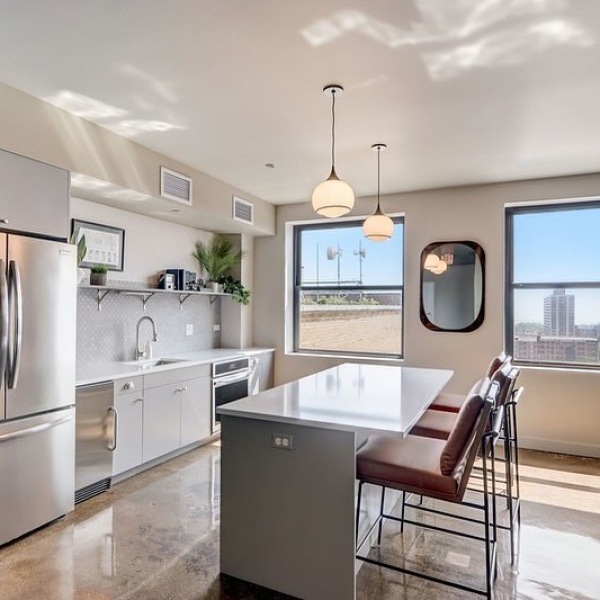
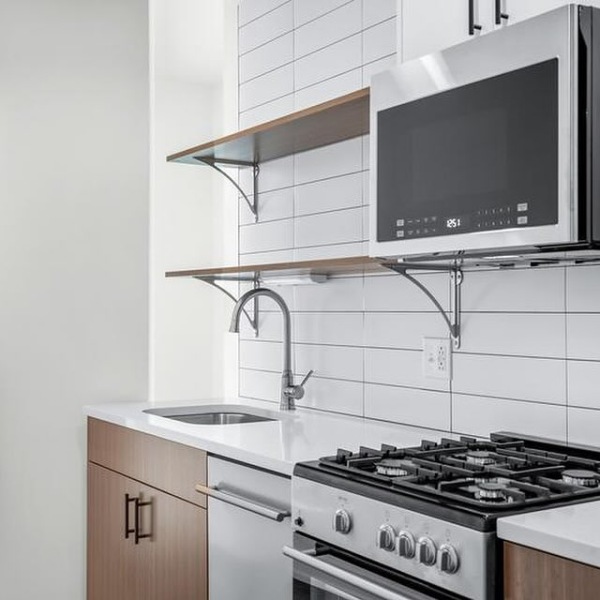
- Gourmet Kitchens: Blending historic proportions with professional-grade appliances, quartz or marble waterfall counters, custom cabinetry, and integrated wine storage.
- Spa-Inspired Bathrooms: Transforming older bath spaces into retreats with frameless glass rain showers, radiant heated tile floors, freestanding soaking tubs, and dual vanities.
- Smart Home Automation: Installing discreet smart lighting, integrated audio systems, keyless entry controls, and automated climate scheduling.
- Energy Efficiency and Geothermal HVAC: Replacing aging mechanicals with multi-zone high-velocity HVAC systems or geothermal heating and cooling to maintain balanced indoor climate control year-round.
Combining structural character with contemporary functionality creates an elevated living experience, as discussed in our guide to luxury living historic chicago guide.
Living in Historic Uptown: Walkability, Culture, and Lifestyle
Beyond the doors of historic uptown luxury homes, residents enjoy a lively, highly walkable urban environment. The neighborhood seamlessly connects active commercial corridors with peaceful residential pockets, bringing entertainment, daily essentials, and green spaces within easy reach.
Entertainment Districts and Culinary Scene
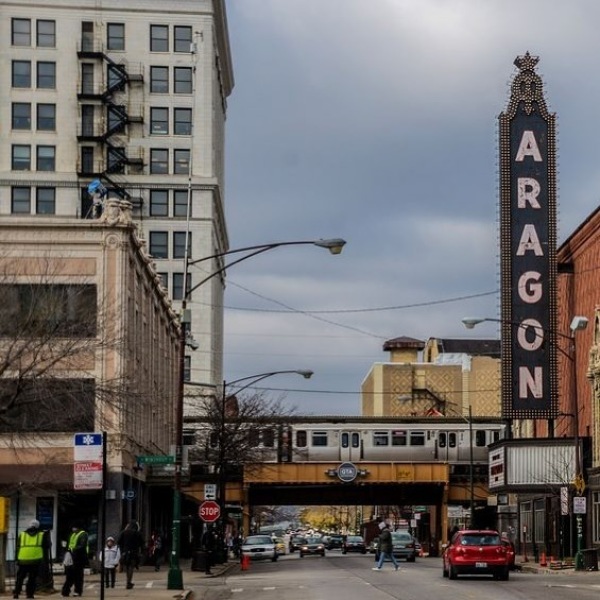
The community is renowned for its cultural heritage and storied entertainment district. Since the early 20th century, the neighborhood has served as a center for music, theater, and nightlife.
Highlights of the local cultural landscape include:
- Historic Performance Venues: Legendary concert halls and historic theaters anchor the local arts scene, bringing live music, theatrical performances, and film events directly to the neighborhood.
- Diverse Culinary Destinations: From cozy cafes along Broadway and Argyle to high-end dining, the culinary scene reflects a vibrant mix of international flavors and contemporary American bistros.
- Boutique Shops and Coffee Houses: Independent coffee roasters, vintage record stores, and local boutiques line the historic commercial streets, providing lively spots for casual afternoon walks.
For a deeper look into the history that shaped these cultural venues, review the Uptown Chicago historic neighborhood background.
Parks and Community Charm
In addition to culture and entertainment, natural beauty and open parkland define the local lifestyle. Proximity to the waterfront and urban park spaces allows residents to easily transition from vibrant city avenues to quiet natural surroundings.
Key outdoor and community spaces include:
- Lakefront Access and Trails: Miles of paved running, walking, and biking paths run along the lakefront, connecting residents directly to beaches, harbors, and green space.
- Neighborhood Green Spaces: Tree-shaded parks offer open lawns, community garden plots, dog-friendly parks, and sports fields.
- Active Community Life: Seasonal farmers markets, outdoor neighborhood street festivals, and historical walking tours encourage strong connections among community members.
Whether living in a restored single-family residence or seeking modern apartment living inside an adapted landmark building like The Teller House, enjoying local amenities is central to the neighborhood experience. Discover more details on neighborhood living options in our guide to luxury apartments uptown chicago.
Due Diligence and Maintenance Considerations for Historic Buyers
Acquiring a historic property involves unique responsibilities. Because these properties feature specialized building methods and older materials, completing proper due diligence ensures that your investment remains structural sound, comfortable, and compliant with local preservation rules.
Preservation Guidelines and System Upgrades
Properties located within designated landmark districts or carrying individual historic landmark status are often subject to municipal preservation guidelines. Understanding these requirements before planning renovations is vital.
Important evaluation factors include:
- Landmark Regulations: Exterior changes—including window replacements, masonry repointing, entry door updates, and porch alterations—frequently require approval from local preservation commissions to ensure historic fidelity.
- Electrical Capacity: Original or mid-century wiring (such as knob-and-tube or early cloth-insulated copper) must be updated to modern 200-amp circuit panels to support high-draw appliances and smart home systems safely.
- Plumbing Stacks: Cast-iron supply lines and galvanized waste pipes can degrade over decades. Inspecting main stacks with camera scope equipment helps determine if copper or PVC replacements are needed.
- Roof and Building Envelope: Inspecting slate tile, copper flashing, flat membrane roofing, and exterior masonry repointing protects interior plaster and timber framing from moisture intrusion.
Environmental Risks and Permitting Checks
In addition to interior systems, evaluating environmental factors and local municipal record histories is an essential part of property acquisition.
Key steps for thorough property evaluation include:
- Permit History Audits: Verify that previous additions, basement finishings, structural wall removals, or electrical modifications were completed with proper municipal permits and inspections.
- Drainage and Moisture Protection: Check foundation walls, crawl spaces, and sub-surface drainage systems to ensure basements remain dry during heavy rain events.
- Tree Protection Directives: Mature neighborhood canopy trees often carry city protection ordinances. Ensure planned construction or driveway work respects tree root systems.
- Parking and Garages: Many early 20th-century properties feature detached carriage houses, alley-loaded parking spaces, or street parking allocations rather than attached modern garages.
Frequently Asked Questions about Historic Uptown Luxury Homes
What architectural styles define historic luxury homes in Uptown?
Historic luxury properties in the area showcase diverse architectural styles from the late 19th and early 20th centuries. Prominent styles include Queen Anne Victorians, Prairie-style residences, Craftsman bungalows, Classical Revival masonry buildings, and grand Beaux-Arts designs. Many historic commercial structures, such as early 20th-century bank buildings, have also been reimagined as contemporary luxury residential apartments.
What due diligence steps are critical before acquiring a historic property?
Essential due diligence includes conducting a thorough inspection of structural foundations and roof envelopes, scoping plumbing stacks with camera equipment, evaluating electrical panel capacity, checking basement drainage systems, and verifying municipal permit histories to confirm that all prior structural or mechanical work was properly approved.
How do historic preservation rules impact home upgrades?
If a property carries landmark designation or sits within a historic district, exterior modifications are subject to review by local landmark preservation guidelines. These rules ensure that original architectural character—such as window mullions, facade masonry, front entryways, and decorative trim—is preserved during renovations. Interior updates generally enjoy greater flexibility, allowing owners to modernize kitchens, bathrooms, and climate control systems freely.
Conclusion
Historic uptown luxury homes present a rare living experience that blends architectural grandeur with contemporary city life. From hand-crafted wood millwork and leaded glass to modernized gourmet kitchens and high-efficiency climate systems, these properties deliver timeless character without sacrificing daily convenience. Surrounded by historic entertainment venues, lakeside parklands, and diverse dining choices, living in Uptown means becoming a steward of architectural history while enjoying a vibrant neighborhood community.
At The Teller House Apartments by Flats®, we take pride in celebrating this historical legacy by transforming a landmark historic bank building into modern living spaces. Positioned near prominent theaters and cultural venues, our community combines sophisticated apartment layouts with iconic architecture. Explore our complete neighborhood guide to learn more about living in this historic community through our uptown chicago apartments guide.