

Why Chicago Luxury Lofts Capture the City's Unique Spirit
Chicago luxury lofts represent a distinctive housing option that blends the city's industrial heritage with contemporary comfort. These spaces transform former factories, warehouses, and historic buildings into stunning residences with character you won't find in standard apartments.
Quick Guide to Exploring Chicago Luxury Lofts:
- By History - Find converted warehouses and factories on the National Register of Historic Places
- By Style - Choose between warehouse lofts (concrete, exposed brick), timber lofts (wooden beams), or soft lofts (modern construction)
- By Neighborhood - Focus on West Loop, Fulton Market, River North, South Loop, or Lakeview
- By Design - Look for high ceilings, large windows, open floor plans, and exposed ductwork
- By Amenities - Prioritize rooftop decks, fitness centers, co-working spaces, and concierge services
- By Lifestyle - Weigh spacious layouts and natural light against open-concept living considerations
- By Example - Visit reimagined historic buildings like former banks and industrial structures
Chicago's architectural legacy shines brightest in its loft conversions. The city's industrial past—from shipping warehouses along the river to factories in West Loop—created the perfect canvas for modern living spaces. These buildings from the early 1900s now house some of the most sought-after residences in the city.
What makes lofts special is their authentic character. Exposed brick walls tell stories of Chicago's manufacturing era. Timber beams that once supported factory equipment now define dramatic living spaces. Floor-to-ceiling windows that illuminated assembly lines flood apartments with natural light.
The open-concept layouts offer flexibility traditional apartments can't match. High ceilings create an airy atmosphere. Raw materials like concrete floors and metal ductwork contrast beautifully with contemporary finishes in kitchens and bathrooms.
1. Explore by History: Uncover Chicago's Industrial Past
Chicago is a city built on industry, and its luxury lofts are a living testament to that robust past. Many of these unique residences are the result of adaptive reuse—the creative process of converting old factories, warehouses, and even historic bank buildings into modern, functional homes. Some of these structures even hold a special place on the National Register of Historic Places, ensuring their architectural integrity is preserved. This blend of old and new creates a living experience that is both rich in character and undeniably chic. To dive deeper into the charm of living in such storied spaces, explore this guide on Historic Apartments in Chicago.
The Influence of Chicago's Industrial Heritage
Chicago’s industrial past is etched into the city's urban landscape, profoundly influencing the loft apartment market. For example, the monumental Pugh Terminal Warehouse, once a hub for the shipping industry, has been beautifully reimagined into luxury residences. This spirit of adaptive reuse extends beyond warehouses to include historic typograph factories, former Cap and Gown factories, and grand bank buildings. This process preserves the unique architectural character of these structures, from robust masonry to imposing facades, offering a sense of grandeur and history that modern construction can't replicate. The sheer scale and sturdy construction of these industrial giants made them ideal candidates for conversion into the expansive, solid homes they are today.
2. Explore by Style: Find Your Perfect Loft Aesthetic
When it comes to Chicago luxury lofts, there isn't just one type of apartment. The city offers a fascinating spectrum of loft styles, each with its own charm and characteristics. Understanding these distinctions can help you pinpoint the perfect aesthetic for your next home.

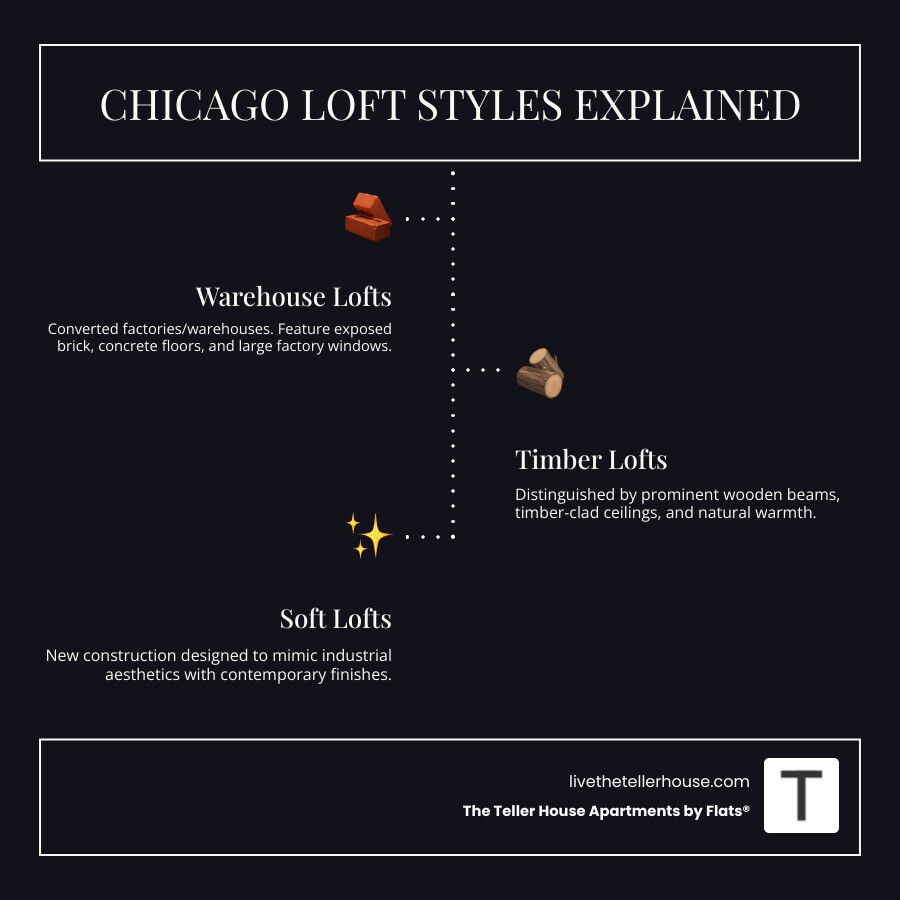
First are Warehouse Lofts, sometimes called Industrial Lofts. These are the OGs of loft living, found in converted factories and warehouses. They boast raw, edgy features like polished concrete floors, exposed brick walls, and the iconic large factory windows that flood the space with light. If you love a rugged, urban aesthetic with a touch of history, a warehouse loft might be your ideal match. These spaces often retain the original structural elements, making them truly unique.
Next are Timber Lofts. These are a sub-category of industrial lofts, distinguished by their beautiful, sturdy wooden beams and timber-clad ceilings. These architectural elements, once integral to the building's industrial function, now lend a warm, rustic, yet sophisticated feel to the living space. The rich wood tones and natural textures create a cozy contrast to the otherwise industrial backdrop. The image here beautifully showcases a timber loft with its prominent wooden beams, a hallmark of this style.
Finally, there are Soft Lofts. These are newer constructions designed to evoke the loft aesthetic without being converted industrial buildings. They often feature high ceilings, expansive windows, and open layouts, mimicking the spaciousness and light of traditional lofts. While they might not have the same raw, exposed brick or timber, they incorporate industrial-inspired materials and finishes to capture that coveted loft feel. They offer a more refined, often more contemporary, interpretation of loft living, often with more modern amenities integrated seamlessly into the design.
Each style offers a unique blend of contemporary living and a nod to Chicago's past, proving that a "loft" can mean many wonderful things. For a deeper dive into what defines these unique spaces, check out the article on Loft Meaning.
3. Explore by Neighborhood: Tour Premier Chicago Luxury Lofts Hotspots
Chicago's diverse neighborhoods each offer a distinct flavor of urban living, with concentrations of Chicago luxury lofts in some of its most vibrant districts.
The West Loop and Fulton Market are the epicenters of loft living. This former industrial area is now a culinary and tech hotspot, offering an abundance of converted warehouses with classic exposed brick and timber aesthetics. The energy is palpable, with new eateries, boutiques, and galleries constantly opening.
Just north, River North is a prime destination known for its art galleries, design showrooms, and busy nightlife. It boasts a significant number of loft conversions, including historic warehouses transformed into stunning residences with waterfront views and sophisticated designs. To learn more about this vibrant area, explore this guide to Luxury Apartments Chicago River North.
The South Loop offers a different but equally appealing loft experience. Areas like Printers Row, with its history in publishing, are dotted with magnificent loft conversions. The neighborhood also provides easy access to Museum Campus and Grant Park.
Other neighborhoods like Lincoln Park, Lakeview, and Wicker Park also contribute to Chicago's rich loft landscape. Here, you can find reimagined factories that blend historic charm with the desirable amenities and tree-lined streets these areas are famous for.
Each of these neighborhoods offers a unique backdrop for the distinct character of loft living, allowing residents to find a home that perfectly matches their urban aspirations.
4. Explore by Design: Identify Signature Loft Features
Stepping into a Chicago luxury loft, certain design elements immediately define the experience, blending raw industrial beauty with modern comfort. Signature features include soaring high ceilings and massive soaring windows that create an expansive, light-filled atmosphere. Open apartment floor plans are central to the design, offering flexible layouts and a seamless flow between living areas. You can explore various configurations that maximize this openness in the Apartment Floor Plans guide.
Authentic character comes from exposed brick walls, exposed ductwork, and original materials like hardwood floors or concrete elements. These features offer a warm, historic feel and an edgy, industrial-chic aesthetic, creating a visually dynamic environment unique to Chicago lofts.
Defining the "Luxury" in Chicago Luxury Lofts
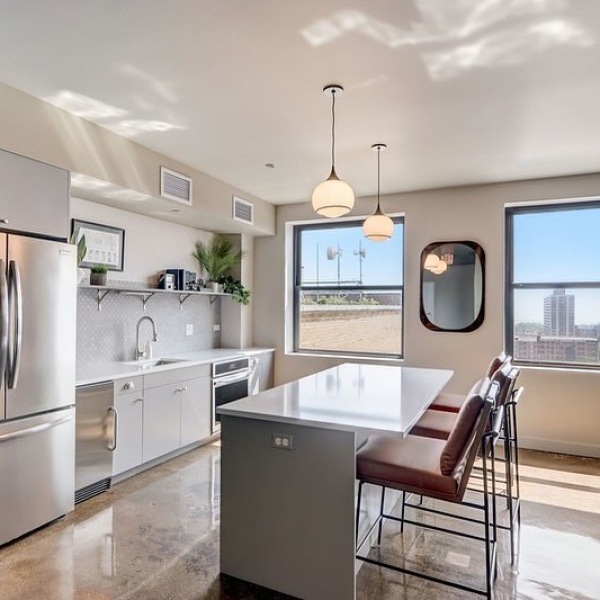
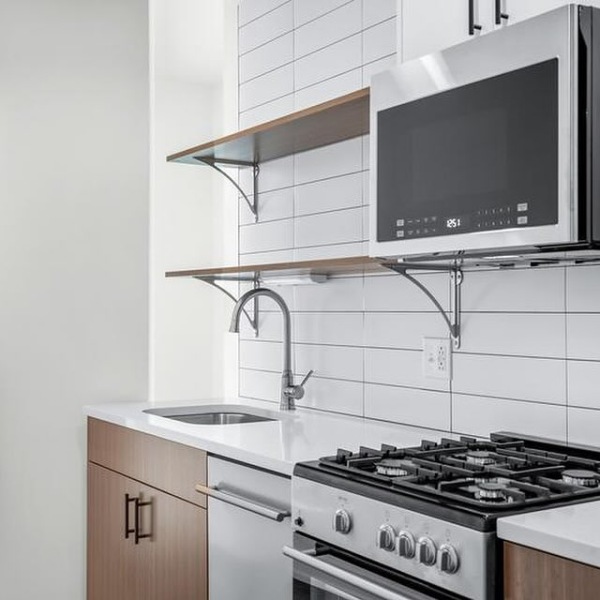
What elevates a loft to a luxury residence is the integration of high-end finishes. This means combining raw industrial charm with unparalleled comfort. A gourmet kitchen is key, featuring top-of-the-line stainless steel appliances and premium quartz countertops. The luxury continues in spa-like bathrooms with contemporary fixtures and spacious walk-in showers, while in-unit laundry adds essential convenience.
These modern upgrades seamlessly blend with the historic elements. The juxtaposition of stainless steel appliances against exposed brick, for example, is what truly defines the "luxury" in Chicago luxury lofts, creating spaces that are both visually stunning and incredibly comfortable. To explore more about how these elements come together, check out these insights on Luxury Apartment Designs.
5. Explore by Amenities: Focus on Lifestyle-Enhancing Conveniences
Living in a Chicago luxury loft isn't just about the unique apartment; it's about the comprehensive lifestyle package that comes with it. Luxury loft buildings offer an impressive array of amenities designed to improve residents' lives.
Many buildings boast spectacular rooftop decks with breathtaking city skyline views. These communal spaces often include grilling stations, lounge chairs, and firepits. For health and wellness, state-of-the-art fitness centers are a common offering, often equipped with premium cardio and strength training equipment like Peloton bikes.
Work-life balance is also a priority, with dedicated co-working lounges and business centers available for remote work or study. For socializing, resident lounges and party rooms provide inviting spaces for entertaining guests.
For furry friends, pet-friendly amenities are increasingly common, with many buildings offering dedicated dog runs and dog washing stations. Finally, convenience comes with services like 24/7 concierge services and secure package systems, making daily life smoother and more secure. These comprehensive amenities truly define the luxury loft experience.
6. Explore by Lifestyle: Understand the Loft Living Experience
Living in a Chicago loft is a lifestyle choice that blends the city's energy with a unique residential aesthetic. Weighing the pros and cons helps to understand what it's like to call a loft home.
One of the biggest pros of lofts is their unique character. From exposed brick and timber to original factory windows, these elements create a home full of personality. The spacious feel is another major draw, with high ceilings and open-concept layouts creating a sense of freedom. Residents also benefit from abundant natural light thanks to oversized, industrial-era windows.
However, the very features that make lofts appealing can also present some considerations. The open layouts, while spacious, mean less traditional separation between rooms, which can affect privacy and sound containment. Another factor is energy use; high ceilings and large windows can sometimes be less efficient, though modern conversions often mitigate this. It’s a trade-off for the glorious light and expansive feel!
For those who appreciate a blend of contemporary style with an old-school aesthetic, a loft apartment offers an unforgettable living experience. To see more about what makes these spaces so special, check out the Unique Chicago Apartments Ultimate Guide.
Here's a quick comparison to help visualize the differences:
| Feature | Loft Apartments | Traditional Apartments |
|---|---|---|
| Layout | Open-concept, flexible, expansive | Defined rooms, more structured |
| Character | Industrial, historic, unique, exposed elements | Modern, conventional, often uniform |
| Natural Light | Abundant, large windows, bright spaces | Varies, smaller windows, potentially less light |
| Privacy | Less defined, sound can travel easily | More defined, better sound containment |
| Ceiling Height | Very high, airy | Standard height |
| Materials | Exposed brick, concrete, timber, metal ductwork | Drywall, painted surfaces, standard finishes |
7. Explore by Example: Find Reimagined Historic Gems
One of the most exciting ways to explore Chicago luxury lofts is by looking at specific examples of how historic buildings have been artfully reimagined. From sprawling former factories to grand historic bank buildings, each conversion tells its own fascinating story.
For example, the massive Pugh Terminal Warehouse was transformed into hundreds of luxury apartments, and a former Cap and Gown Factory in Lakeview now offers sleek, custom lofts. These examples show that no two homes are alike, each reflecting its original structure.
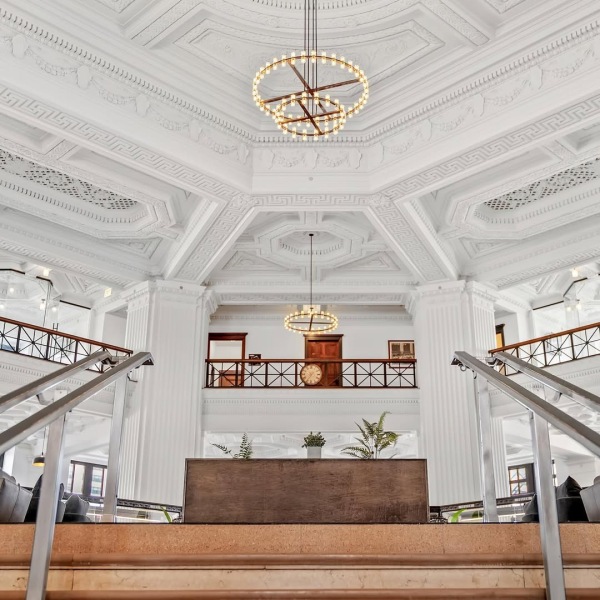
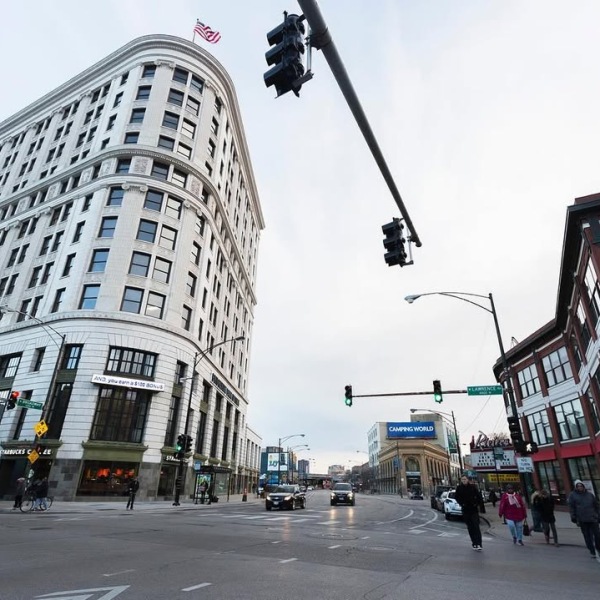
At The Teller House, this legacy is proudly continued. Its luxury apartments in Uptown Chicago are housed within a magnificent historic bank building. This conversion focuses on meticulous historic preservation, integrating the original grandeur into modern living spaces. The sophisticated apartment designs resonate with the building's storied past, creating homes that are both historically rich and perfectly suited for contemporary life. This approach exemplifies the best of Modern Chicago Apartments.
The Appeal of Chicago Luxury Lofts in Uptown
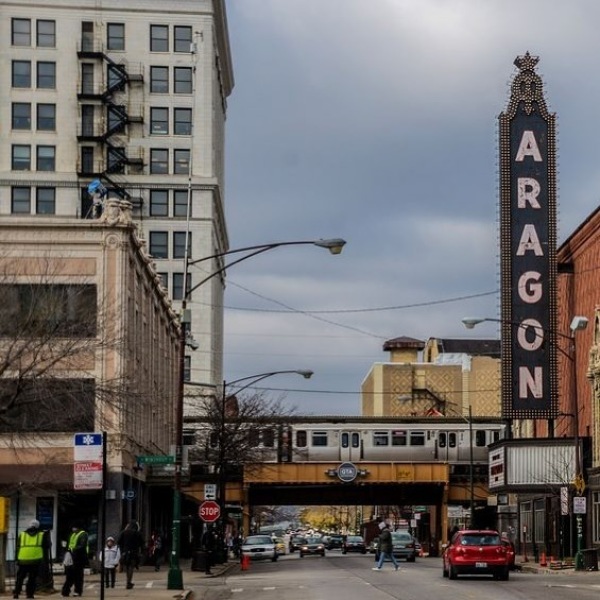
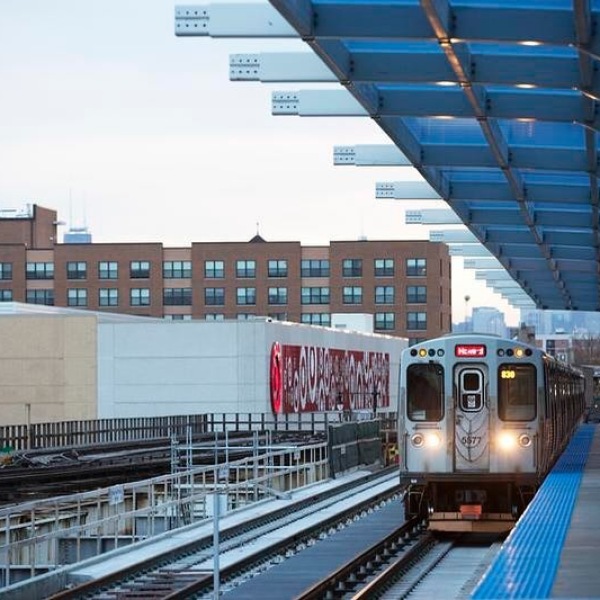
Uptown Chicago offers a compelling setting for luxury loft living. The location is a lifestyle, with immediate access to a wealth of cultural attractions and prominent theatres. Beyond the cultural allure, Uptown also boasts excellent lakefront access. Residents can enjoy the beauty of Lake Michigan with ease, whether for a morning jog, a relaxing afternoon at the beach, or simply taking in the stunning views. The area's convenience is highlighted by its proximity to the Red Line and easy access to the lakefront for walking and biking. For those seeking the perfect blend of history, culture, and convenience, exploring Luxury Apartments Uptown Chicago is a must.
Conclusion
Exploring Chicago luxury lofts is an adventure through the city's rich history and innovative present. This guide has shown how to uncover these unique residences by delving into their industrial past and distinguishing between the raw charm of warehouse lofts, the warm appeal of timber lofts, and the contemporary polish of soft lofts. The journey takes you through vibrant neighborhoods like West Loop, River North, and South Loop, each offering its own collection of these architectural gems.
This exploration has also identified the signature design elements that define a luxury loft—soaring ceilings, expansive windows, exposed brick, and open floor plans—and explained how modern amenities transform these spaces into truly luxurious homes. By weighing the lifestyle pros and cons, you can appreciate the unique character and spaciousness while acknowledging the open nature of these homes. Finally, remarkable examples of reimagined historic buildings, like The Teller House in Uptown, highlight how beautifully historic preservation can blend with modern living.
The enduring appeal of loft living in Chicago lies in this perfect fusion: the raw, authentic character of its industrial legacy combined with the sophisticated comfort and conveniences of contemporary design. These homes offer more than just shelter; they offer a connection to the city's soul, a spacious canvas for personal expression, and a vibrant urban lifestyle. Find your perfect space and experience this exceptional blend for yourself.
To find more and find your ideal loft, begin your search here: Explore luxury lofts in Chicago.