

What to Know Before Renting Artistic Loft Spaces in Chicago
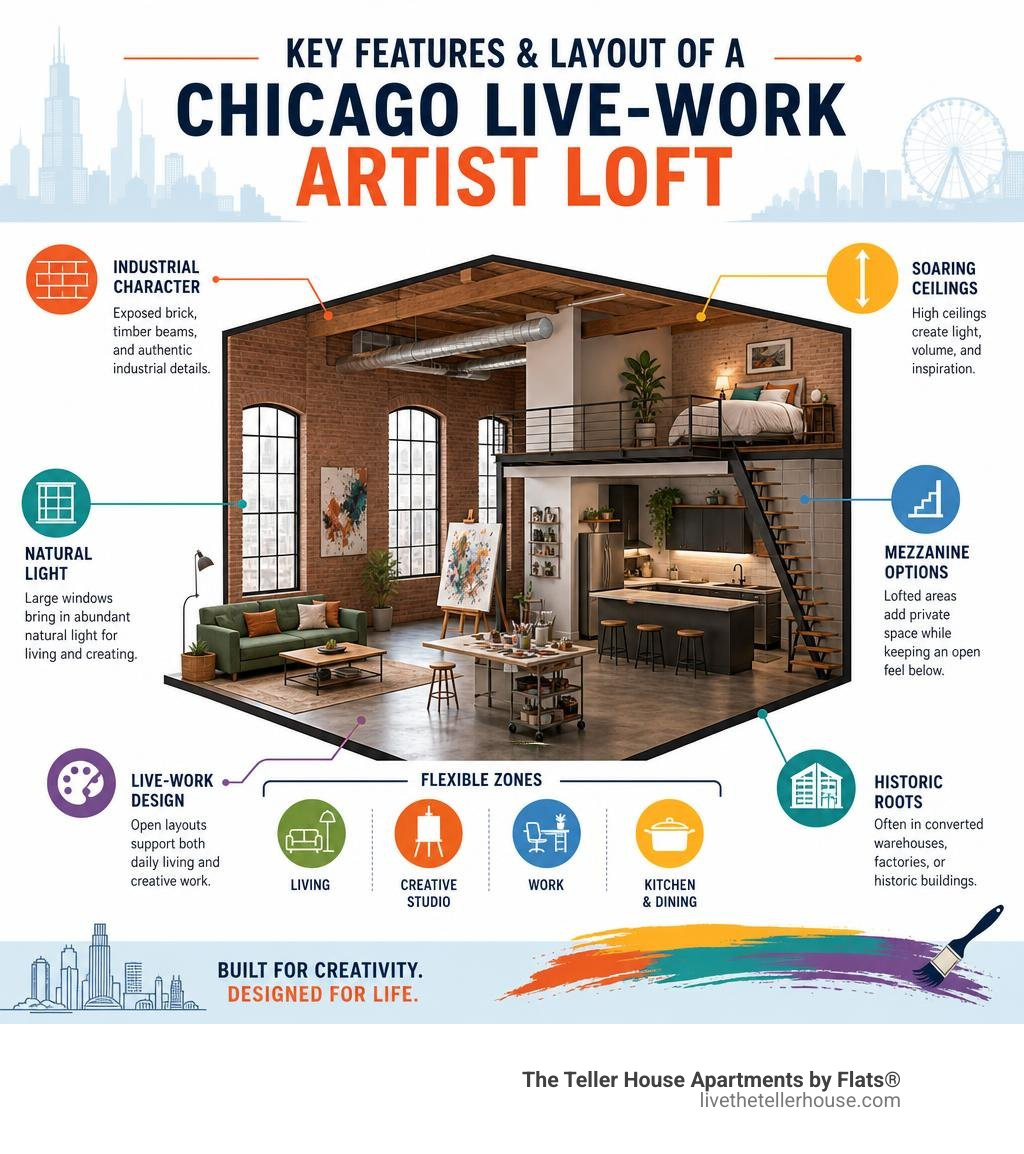
Artistic loft spaces in Chicago blend industrial history with creative living — and they're one of the most sought-after housing options in the city. Think exposed brick, timber beams, soaring ceilings, and open floor plans designed for both living and making.
But finding the right one takes more than browsing listings. Many renters make avoidable mistakes that can disrupt their creative momentum.
Here's a quick look at what defines these spaces and where to find them:
| Feature | What to Expect |
|---|---|
| Architecture | Exposed brick, timber beams, high ceilings (12–20+ ft) |
| Layout | Open floor plans with flexible live-work zones |
| Building Origins | Converted warehouses, factories, schools, or historic buildings |
| Top Neighborhoods | Pilsen, West Loop, River North, Wicker Park, Logan Square |
| Space Types | Live-work units, studio lofts, warehouse conversions |
Chicago's loft market spans hundreds of listings — from converted yarn factories in Wicker Park to former telephone switching stations in Garfield Park. The variety is impressive. But so are the pitfalls.
This guide covers the 7 most common mistakes renters make when searching for artistic lofts in Chicago — so you can avoid them.
1. Overlooking Zoning and Layout Flexibility in Artistic Loft Spaces Chicago
One of the easiest traps to fall into when searching for artistic loft spaces chicago is failing to understand local zoning laws. In Chicago, buildings are classified under strict municipal codes. A gorgeous warehouse space might look like the perfect place to set up an easel and a bed, but if it is zoned strictly for commercial or industrial use, living there is a violation of city ordinances.
True live-work units are specifically zoned to allow both residential occupancy and commercial creative endeavors. When exploring options, always verify that the property has a residential occupancy permit. Living in a space zoned only for commercial use can lead to sudden lease terminations, insurance issues, and city fines. To understand how these unique layouts fit into the broader local market, check out our Unique Chicago Apartments Ultimate Guide.
Finding the Right Layout in Artistic Loft Spaces Chicago
An open floor plan is the hallmark of a classic loft, but a complete lack of walls can sometimes work against your creative process. When evaluating a layout, look for natural divisions of space.
Consider how the window placement impacts your work. If you are a painter or photographer, natural light is your most valuable resource. You will want consistent, indirect light (typically northern exposure) to prevent harsh shadows and color distortion.
Additionally, think about how you will separate your living area from your production zone. Some lofts feature clever architectural designs, such as elevated platforms or partial walls, which help keep your work life from spilling into your rest space. To explore some of the best open-concept options currently on the market, browse our listings for Modern Lofts for Rent.
2. Ignoring Utility Costs and Historic Building Quirks
It is easy to fall in love with 18-foot ceilings, massive single-pane factory windows, and exposed brick walls. However, ignoring the physical realities of historic preservation and adaptive reuse can lead to uncomfortable winters and high utility bills.
Historic buildings converted into residential homes often lack modern insulation. Those soaring ceilings mean heat naturally rises, leaving your living zone chilly during Chicago's freezing winters. Additionally, historic brick is porous and can retain moisture or draftiness if not properly sealed.
When touring a loft, ask about the heating and cooling systems. Look for modern upgrades like double-paned windows, insulated ductwork, and zoned climate controls. Renovation projects, such as those highlighted in architectural reviews like the Vladimir Radutny highlights "poetic relics" in Chicago loft renovation, show that it is possible to preserve historic character—like clay tile ceilings and perimeter brick walls—while integrating modern comforts. To learn more about what to look for in industrial conversions, read our guide on the classic Industrial Apartment.
| Feature | Historic Warehouse Conversions | Modern Soft Lofts |
|---|---|---|
| Ceiling Height | 12 to 30 feet | 9 to 11 feet |
| Aesthetic | Exposed timber, raw brick, original concrete | Drywall finishes, concrete accents, modern trim |
| Insulation | Variable; historic windows can be drafty | Excellent; modern double-pane glass and insulation |
| Character | High; unique architectural relics and layouts | Moderate; clean lines with industrial-style touches |
3. Choosing the Wrong Neighborhood and Neglecting Community
A loft does not exist in a vacuum. The neighborhood you choose will dictate your daily routine, your access to creative supplies, and your opportunities for networking. Choosing a location solely based on the physical space while ignoring the surrounding community is a major misstep.
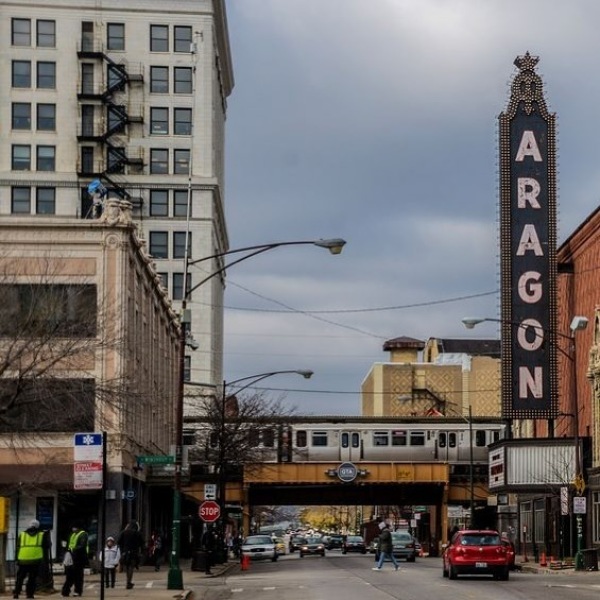
For instance, if you want to be surrounded by historic architecture, legendary music venues, and iconic theatres, Uptown is an incredible cultural hub. Other neighborhoods like Pilsen, Wicker Park, and Logan Square also boast deep artistic roots, but each has a distinct vibe and local culture. For a deeper dive into the city's best neighborhoods for loft living, check out our Modern Loft Apartments Chicago Guide 2026.
Community and Networking in Artistic Loft Spaces Chicago
An artistic lifestyle thrives on collaboration and shared energy. When you rent a loft, you are also gaining access to a local network of makers, designers, and performers.
Many historic loft communities host regular open-studio events, such as the famous gallery walks in Pilsen East, which allow residents to showcase their work to the public. Organizations like the Pullman Artspace Lofts provide dedicated spaces where creators can live, work, and collaborate under one roof.
Other long-standing creative hubs, such as the ART COLONY — Art Colony & Music Factory in Avondale, emphasize long-term tenancies to foster a secure, close-knit environment for serious creators. Surrounding yourself with local galleries, performance venues, and shared resources is essential for keeping your creative spark alive.
4. Neglecting Soundproofing and Modern Amenity Balance
Industrial buildings were originally constructed to house heavy machinery, not sleeping residents. While thick concrete floors do an excellent job of blocking sound between levels, timber-framed ceilings and shared drywall partitions can turn your neighbor's late-night violin practice or woodshop session into your personal soundtrack.
Before signing a lease, pay close attention to the construction materials:
- Concrete Floors: Excellent for sound dampening and durability, though they can feel cold underfoot without area rugs.
- Timber Beams and Exposed Ceilings: Visually stunning, but they can transmit footsteps from upstairs neighbors more easily than concrete.
- Shared Walls: Ask if the walls separating units are double-stud drywall or if they feature additional sound-dampening insulation.
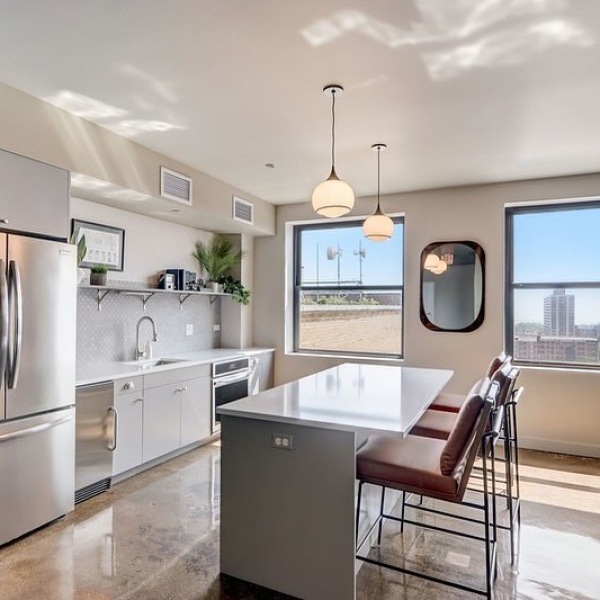
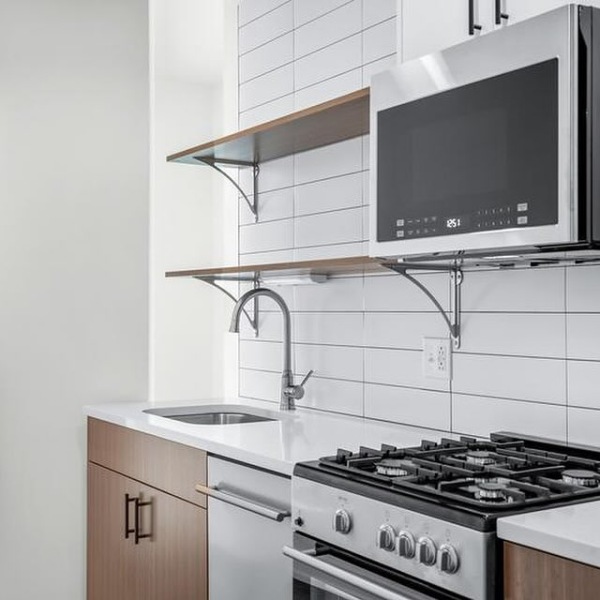
At the same time, make sure you aren't sacrificing daily convenience for the sake of historic charm. A true creative workspace should still offer modern amenities like in-unit laundry, updated kitchen appliances, reliable high-speed internet, and secure package delivery. Striking the perfect balance between raw industrial style and modern convenience is key to a comfortable home. Explore how we blend these elements by visiting our page on Modern Apartments Chicago.
5. Misunderstanding the Leasing Process and Selection Criteria
Applying for artistic loft spaces chicago can be quite different from renting a standard high-rise apartment. Because these properties are highly sought after and often unique, the leasing process moves quickly, and selection criteria can vary.
Standard rental applications will require typical documentation:
- Proof of consistent income or tax returns
- A solid credit check
- A positive rental history with references
However, some dedicated artist-focused developments may have specific requirements, such as a portfolio review or a community interview, to ensure applicants are actively engaged in creative practices.
If you need temporary or highly flexible space rather than a long-term lease, you might consider alternative options. For example, some providers offer flexible terms, such as the month-to-month options found at the Artist Lofts and Workspace Studios - Chicago - U-Haul.
For temporary creative projects, photo shoots, or gallery events, specialized hourly rental spaces like The MOD Loft | Get With The MOD—Book Now, Wicker Park's colorful Creative Event Space in Wicker Park Chicago | Le Loft, or The Art of Loft – Spacious Loft for Shoots, Yoga & Gathering | Rent this location on Giggster offer excellent short-term alternatives.
If you are ready to secure a permanent, high-quality residence with a streamlined leasing process, check out our available City View Modern Lofts.
Frequently Asked Questions about Chicago Lofts
What is the difference between an artist loft and a traditional apartment?
Unlike traditional apartments, which feature clearly defined, separate rooms (such as a distinct kitchen, living room, and bedroom), artist lofts utilize wide-open floor plans. They boast industrial architectural features like exposed brick, heavy timber beams, concrete pillars, and massive factory windows. Additionally, they are designed with flexibility in mind, allowing residents to easily customize their living and work zones.
Which Chicago neighborhoods are best for creative spaces?
Pilsen, Wicker Park, Logan Square, and the West Loop are historically famous for their loft conversions and active arts scenes. However, Uptown Chicago has emerged as a premier destination for those who want a neighborhood rich in cultural history, iconic theatres, and a vibrant local community.
How do historic preservation and adaptive reuse affect loft living?
Adaptive reuse preserves the character and industrial heritage of historic buildings—such as former warehouses, factories, and banks—while updating them for residential use. This means your home will feature completely unique layouts and historic details that cannot be replicated in new construction, though it also means you should look for modern structural updates like upgraded climate control and soundproofing.
Conclusion: Finding the Perfect Balance
Finding the ideal creative home in Chicago does not mean you have to choose between raw industrial character and modern luxury. You can have both.
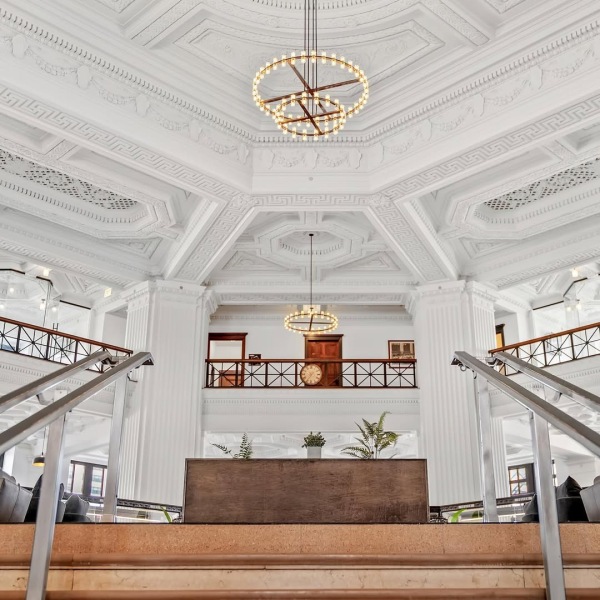
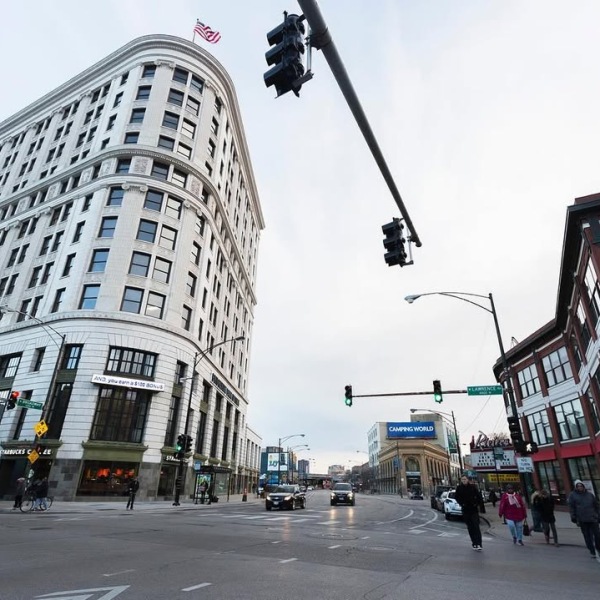
At The Teller House Apartments by Flats®, we have transformed a gorgeous, historic bank building in Uptown Chicago into sophisticated modern residences. Located in the heart of one of the city's most legendary cultural and entertainment districts, our apartments offer the perfect balance of historic architectural charm, high-end modern finishes, and immediate proximity to iconic theatres and cultural attractions.
Ready to find your next creative home? Explore our available floor plans and schedule a tour today by visiting our Chicago Loft Apartments for Rent Ultimate page.