

Lincoln Square NYC Apartments for Sale: What Buyers Need to Know in 2026
Lincoln Square NYC apartments for sale span one of Manhattan's most compelling residential corridors, stretching between 59th and 72nd Streets on the Upper West Side, steps from Central Park and Lincoln Center.
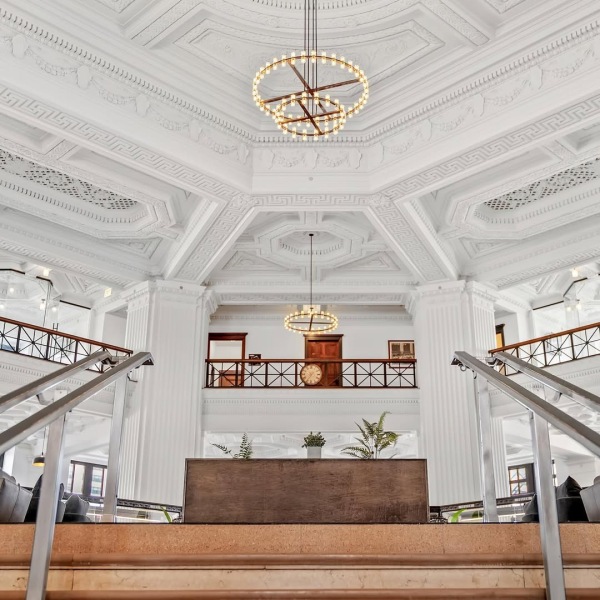
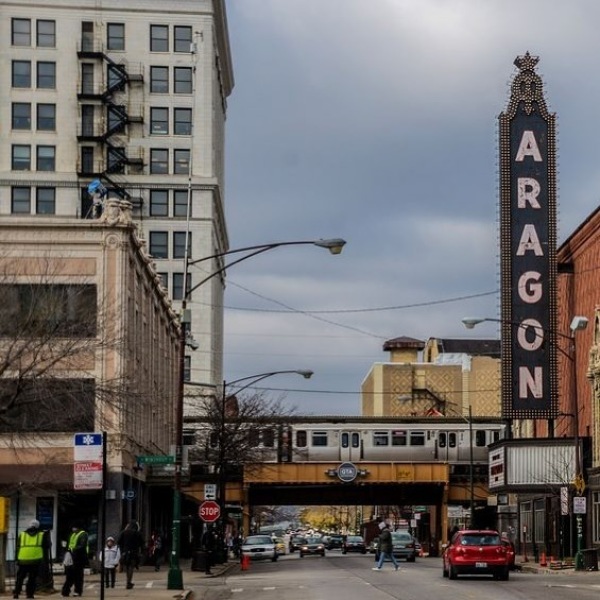
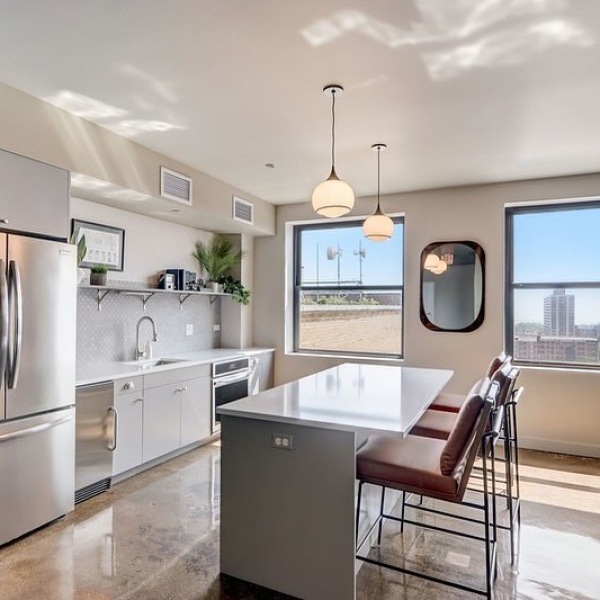
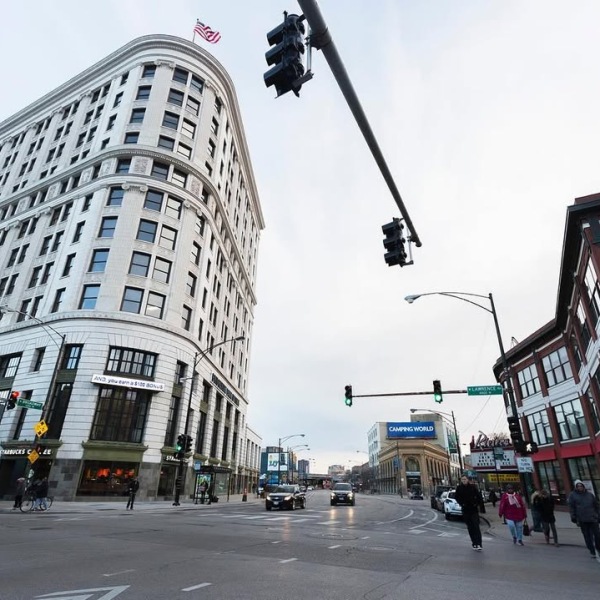
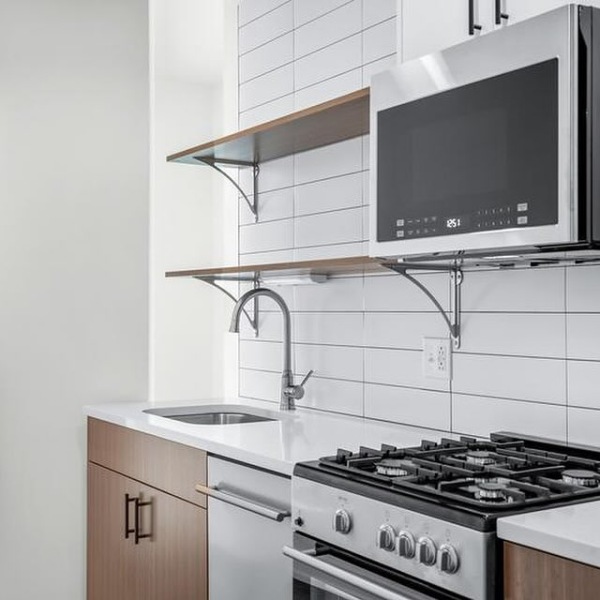
For Chicago residents exploring how culturally rich neighborhoods compare across major U.S. cities, Lincoln Square NYC offers a revealing point of reference. The Teller House Apartments by Flats® in Uptown Chicago shares a similar neighborhood DNA: proximity to performing arts venues, walkable urban living, and architecturally distinctive residential settings. This guide examines the Manhattan purchase market while drawing direct comparisons to apartment living in Chicago's Uptown neighborhood, helping readers in the Chicago area understand what sets these two cultural districts apart and what they have in common.
If you're ready to research the Manhattan purchase landscape, here's a fast snapshot of the types of homes commonly available:
| Property Type | Common Buyer Considerations | Typical Building Context |
|---|---|---|
| Studio co-op | Board review, maintenance structure, building rules | Established co-op buildings |
| 1-bedroom condo/co-op | Ownership format, sublet policies, amenity access | Full-service towers and pre-war buildings |
| 2-bedroom condo | Layout, views, building services, outdoor space | Luxury condo and post-war buildings |
| 3-bedroom luxury condo | Floor plan scale, privacy, service level | High-rise and white-glove buildings |
| Ultra-luxury penthouse | Private outdoor space, views, custom interiors | Signature towers and top-floor residences |
Key facts at a glance:
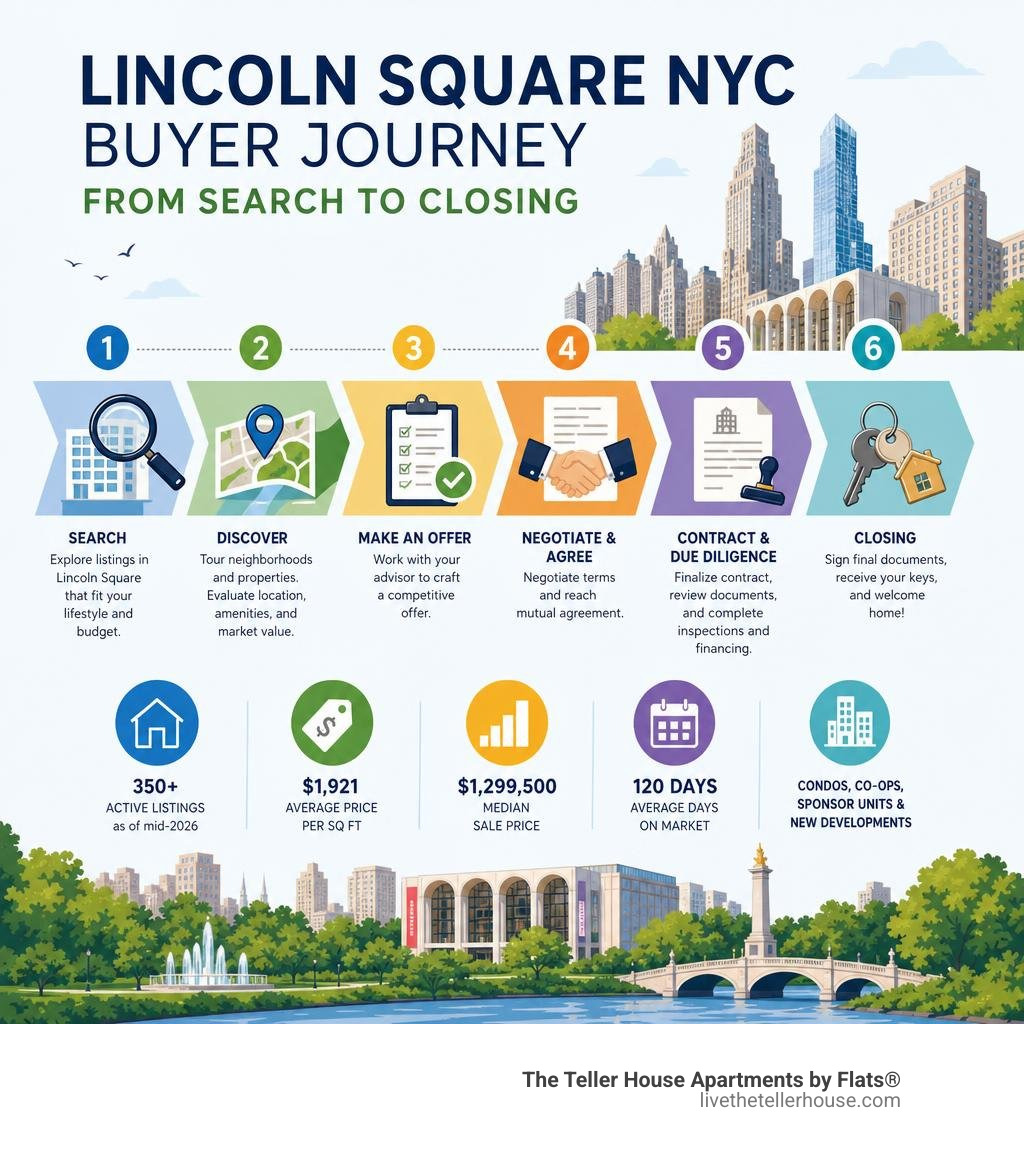
- Over 350 active listings on the market as of mid-2026
- Homes average 120 days on market, reflecting the pace of Manhattan transactions
- Property types include condos, co-ops, sponsor units, and new developments
- The neighborhood includes both historic residential buildings and contemporary high-rise towers
- Cultural access is a defining feature, anchored by Lincoln Center for the Performing Arts
Lincoln Square has long attracted buyers who want cultural access and urban convenience in the same ZIP code. The neighborhood sits directly adjacent to Lincoln Center for the Performing Arts, home to the Metropolitan Opera House, David Geffen Hall, and the David H. Koch Theater, and is within walking distance of Central Park and Riverside Park.
Chicago's Uptown neighborhood offers a parallel experience on a different scale. Where Lincoln Square NYC centers on ownership in high-rise towers, Uptown Chicago provides sophisticated apartment living in landmark buildings like The Teller House, a transformed historic bank building near prominent theatres and vibrant neighborhood dining. Both neighborhoods reward residents who value culture, architecture, and walkability.
The buying process in Manhattan is more layered than in most U.S. cities, including Chicago. Co-op board approvals, financing caps, common charges, and sponsor unit availability all shape how a purchase unfolds. This guide breaks it all down clearly while keeping the comparison relevant for Chicago-based readers evaluating culturally rich, design-forward apartment living.
Market Overview and Listing Trends for Lincoln Square NYC Apartments for Sale
Navigating the residential market in Lincoln Square requires an understanding of both macro Manhattan trends and hyper-local micro-markets. Across the neighborhood, active residential inventory offers a healthy mix of historic pre-war co-operatives, mid-century towers, and contemporary post-war condominiums.
The neighborhood maintains strong market positioning, anchored by its location between Central Park and the Hudson River. On average, homes in Lincoln Square sell after roughly 120 days on the market. While this extended timeframe might seem lengthy compared to many U.S. housing markets, including Chicago, it reflects the typical cadence of New York City real estate, where thorough co-op board vetting, custom contract negotiations, and detailed financial disclosures are standard practice.
Understanding inventory dynamics helps buyers identify the right moments to compare building rules, ownership formats, layouts, and amenity packages. With hundreds of active properties on the market over any twelve-month period, inventory levels provide prospective owners with genuine options across various building classes and floor plan configurations.
For Chicago readers, this is where the comparison to The Teller House Apartments by Flats® in Uptown Chicago becomes especially useful. Uptown Chicago emphasizes apartment living in a historic adaptive reuse setting, with the character of a transformed bank building and proximity to theatres and lakefront amenities. Lincoln Square NYC, by contrast, is primarily discussed here through the lens of ownership, board review, and Manhattan building structures. Understanding both markets helps renters and prospective buyers appreciate what each city's cultural districts offer.
Comparing Lincoln Square to Upper West Side and Hell's Kitchen
When evaluating lincoln square nyc apartments for sale, context is everything. Lincoln Square forms the southern anchor of the broader Upper West Side, yet it possesses a distinct architectural identity and market rhythm.
- Upper West Side Core (ZIP 10024): Characterized heavily by classic pre-war brownstones and iconic co-operative buildings along Central Park West and Riverside Drive. The traditional Upper West Side often emphasizes historic preservation and established residential character.
- Lincoln Square (ZIP 10023 & 10069): Features a higher density of full-service luxury glass-and-steel condominiums, modern high-rises, and cultural arts infrastructure. Properties in the 10069 ZIP code, particularly along Riverside Boulevard, highlight newer construction with expansive amenity packages.
- Hell's Kitchen (ZIP 10019): Situated directly to the south past 59th Street, Hell's Kitchen provides a contrast with lower-rise tenement-style housing, boutique loft conversions, and vibrant nightlife corridors.
Comparing these neighboring enclaves reveals how Lincoln Square balances the architectural grandeur of the Upper West Side with the high-rise convenience found closer to Midtown Manhattan. Chicago residents familiar with how Uptown, Lakeview, and Lincoln Park each carry distinct neighborhood identities will recognize a similar dynamic at play in Manhattan.
Listing Structures Across Unit Sizes
Living space in Lincoln Square scales logically across building types and configurations. Square footage metrics remain a fundamental benchmark for evaluating listings across the neighborhood.
- Studio Residences: Ranging from efficient layout co-ops to high-floor condo units, studios serve as popular primary residences or urban pied-a-terre properties. Layouts commonly emphasize efficient kitchens, flexible living zones, and access to building services.
- One-Bedroom Layouts: One-bedroom floor plans frequently feature windowed foyers, updated kitchens, dedicated dining nooks, and flexible work-from-home areas.
- Two-Bedroom Properties: These residences represent a major portion of the luxury condo market, often providing split-bedroom floor plans, multiple full bathrooms, and private balconies overlooking Columbus Avenue or Broadway.
- Multi-Bedroom Penthouses and Townhomes: At the top tier of the listing spectrum, expansive residences may include sweeping views of Central Park, private elevators, wraparound terraces, and custom smart-home technology.
Evaluating Property Types: Condos, Co-ops, and New Developments
Choosing between a condominium, a cooperative, or a new development is one of the most critical decisions a buyer will make when reviewing lincoln square nyc apartments for sale.

| Feature | Condominium (Condo) | Cooperative (Co-op) |
|---|---|---|
| Ownership Structure | Real property deed | Shares in a corporation with proprietary lease |
| Board Approval | Right of first refusal process | Formal board interview and approval |
| Financing Rules | Often more flexible | Often more restrictive |
| Sublet Rules | Generally flexible | Restricted or capped duration |
| Monthly Building Obligations | Common charges plus separate property taxes | Maintenance payment that typically includes the unit's share of building operations and real estate taxes |
| Pied-a-Terre Use | Widely permitted | Building-specific policies |
Luxury Condos vs Co-ops in Lincoln Square NYC Apartments for Sale
Condominiums represent real property ownership where buyers receive a deed to their individual unit along with an undivided interest in the building's common elements. This format offers maximum flexibility regarding subletting, pied-a-terre use, and ownership structures such as trusts or LLCs. Luxury full-service buildings such as 150 Columbus Ave #4A demonstrate the appeal of condo living, offering double-exposure light, updated layouts, and full-time door staff just steps from Lincoln Center.
Cooperatives make up a substantial portion of older, historic housing stock in the area. When purchasing a co-op, buyers acquire shares in a non-profit housing corporation that owns the entire building, receiving a proprietary lease for their specific apartment. Co-op boards maintain rigorous vetting procedures, reviewing detailed financial statements, tax returns, personal reference letters, and holding formal board interviews. Iconic properties like 44 W 62nd Street #31BC highlight how combined co-op units can yield sweeping penthouse layouts with panoramic views of Central Park and the Hudson River while maintaining cohesive community governance.
Finding Sponsor Units and Lincoln Square NYC Apartments for Sale
For buyers who prefer the established architectural character or location of a co-op but wish to avoid the traditional board review process, sponsor units offer a compelling path.
A sponsor unit is an apartment held by the building's original developer or investor. When these properties are placed on the market:
- No Board Approval Required: Buyers purchase directly from the sponsor without submitting to board interviews or typical co-op approval steps.
- Flexible Purchasing: Rules regarding guarantors, co-purchasing, or sub-leasing are often substantially streamlined.
- Original Condition or Full Renovation: Sponsor units may be sold in turn-key renovated condition or as unrenovated spaces ready for custom interior design.
Noteworthy sponsor opportunities, such as high-floor studio residences found at 2025 Broadway, allow prospective owners to secure ownership near Central Park without waiting through multi-month board approval cycles.
Top Residential Buildings and Prime Addresses in Lincoln Square

Lincoln Square contains several of Manhattan's most celebrated residential addresses. Whether searching for historic pre-war elegance along Central Park West or contemporary architectural marvels near the Hudson River, buyers have distinct communities to consider. To explore further neighborhood insights, check out our comprehensive lincoln square nyc apartments guide.
Chicago readers will recognize a shared theme with The Teller House Apartments by Flats® in Uptown Chicago: architecture, culture, and location all shape the residential experience. In New York, that often means ownership in high-rise buildings near Lincoln Center. In Chicago, it means apartment living in a transformed historic bank building near prominent theaters, neighborhood dining, and lakefront green space. Both cities demonstrate how cultural infrastructure elevates the neighborhoods around it.
High-Rise Luxury Landmarks and Cultural Access
Cultural immersion is central to the residential experience in Lincoln Square. Certain high-rise properties are constructed directly around performing arts venues, providing an unusual living environment for those who value proximity to concerts, opera, dance, and film.
- Three Lincoln Center: This iconic 60-story tower features a distinctive granite facade. Residential units begin on the 16th floor, while lower floors accommodate educational and cultural facilities. Remarkably, residents enjoy direct private access to the Lincoln Center complex from within the building lobby. High-floor D-line residences offer floor-to-ceiling vistas spanning Central Park and the city skyline.
- 1 Central Park West: Situated at Columbus Circle, this landmark tower combines luxury residential condos with hotel-style services, giving residents front-row views of Central Park and Midtown Manhattan.
Full-Service Amenities and Iconic Residences
Full-service luxury living defines modern construction across Broadway and Columbus Avenue. The Grand Millennium at 1965 Broadway stands as an archetype of white-glove residential service in Lincoln Square.
- Triple-Mint Renovated Residences: Multi-bedroom offerings like GRAND MILLENNIUM, 1965 Broadway, #18A In Contract exemplify turn-key luxury, featuring custom chevron white oak flooring, smart lighting, integrated sound systems, and custom Italian-tiled bathrooms.
- Private Terrace Living: Units such as those at 1965 Broadway showcase rare urban floor plans where expansive private outdoor terraces extend the living experience, creating a setting for indoor-outdoor entertaining.
Lifestyle, Amenities, and Buyer Profile Appeal
The daily experience in Lincoln Square combines world-class arts, outdoor recreation, and urban convenience. Residents enjoy direct access to:
- Cultural Institutions: David Geffen Hall, Metropolitan Opera House, Alice Tully Hall, and the Film Society of Lincoln Center.
- Parks and Green Spaces: Central Park to the east and Riverside Park South along the Hudson River offer miles of jogging paths, bicycle loops, and waterfront promenades.
- Dining and Retail: High-end grocery markets, boutique shopping along Columbus Avenue, and fine dining establishments throughout the neighborhood.
Building amenities across Lincoln Square residential towers routinely include 24-hour doorman and concierge staff, indoor swimming pools, state-of-the-art fitness centers, resident lounges, playrooms, and landscaped rooftop decks. Select developments may also have building-specific tax structures or historical programs that buyers should review with a qualified real estate professional before purchasing.
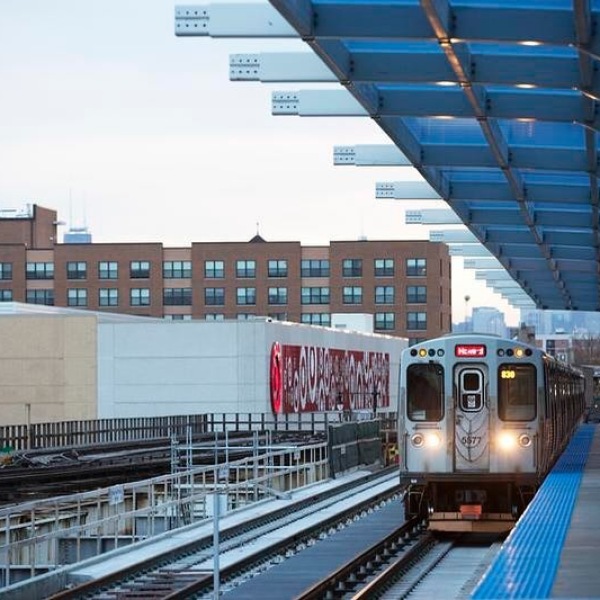
For those comparing Manhattan with Chicago, The Teller House Apartments by Flats® offers a complementary urban lifestyle in Uptown Chicago: sophisticated apartment designs, a prime location near prominent theatres and cultural attractions, and the character of a historic bank building transformed for modern living. While the scale differs from Manhattan's high-rise towers, the emphasis on culture, walkability, and architectural distinction is a shared thread between these two neighborhoods.
Buyer Suitability for Investors, Families, and Pied-a-Terre Buyers
Lincoln Square appeals to a broad range of prospective purchasers:
- Investors: Often focus on condominiums with flexible sublet rules and strong rental demand driven by nearby corporate hubs and performing arts institutions.
- Pied-a-Terre Buyers: Seek turn-key high-rise units with full door staff, secure building access, and lock-and-leave convenience close to theater and dining districts.
- Primary Homeowners and Families: Benefit from spacious multi-bedroom layouts, immediate access to parks, and educational facilities within NYC Geographic School District 03.
Frequently Asked Questions About Lincoln Square Real Estate
What is the average days on market for apartments in Lincoln Square?
Homes in Lincoln Square typically stay on the market for an average of 120 days. This extended timeline is common for Manhattan real estate, reflecting thorough co-op board review schedules, detailed financial vetting, and customized contract negotiations between buyers and sellers.
How do monthly building obligations differ between condos and co-ops?
Condo owners generally pay common charges for building operations, staffing, and amenity maintenance, along with separate real estate property taxes billed by the city. Co-op owners generally pay a single monthly maintenance amount that combines building operations, staff payroll, any building-level financing, and the unit's proportional share of real estate taxes. In some co-ops, maintenance may also include certain utilities or building-wide service packages.
Are sponsor units available in Lincoln Square co-op buildings?
Yes, sponsor apartments periodically become available in established Lincoln Square co-operative buildings. Because these units are sold directly by the building's original developer or converted entity, buyers bypass traditional co-op board interviews and financial board approval, offering a more streamlined purchase process.
Conclusion
Securing an apartment in Lincoln Square represents an investment in long-term ownership value, cultural access, and refined urban living. From high-floor luxury condominiums overlooking Central Park to charming pre-war co-operatives and streamlined sponsor units, the neighborhood offers options tailored to many lifestyle preferences.
For Chicago residents drawn to the same blend of culture, architecture, and walkability that defines Lincoln Square NYC, The Teller House Apartments by Flats® offers luxury apartments in Uptown Chicago, transforming a historic bank building into modern living spaces near prominent theatres and cultural attractions. Whether you're exploring ownership in Manhattan or apartment living in one of Chicago's most vibrant neighborhoods, the connection between culture and home remains the common thread.
Ready to explore apartment living in Chicago with strong neighborhood character and cultural access? Review our full selection of apartments for rent in lincoln square today!