

Why Chicago Apartments Near Public Transit Give You a Real Edge
Chicago apartments near public transit are one of the smartest ways to live in this city — and right now, there are over 1,800 rentals available that put you steps from an 'L' station or bus route.
Here's a quick look at how to find them:
- Use Google Maps in Transit mode to map routes from any apartment to your workplace
- Filter by CTA line — Red, Blue, Brown, Green, or Purple — based on your commute needs
- Check Walk Score and Transit Score for any neighborhood before committing
- Verify the actual walk time to the nearest station (aim for 5–10 minutes)
- Research Metra access if you need suburban or airport connections
- Look for commuter-friendly building amenities like bike storage and co-working space
- Tour the neighborhood at different times of day to check noise, lighting, and foot traffic
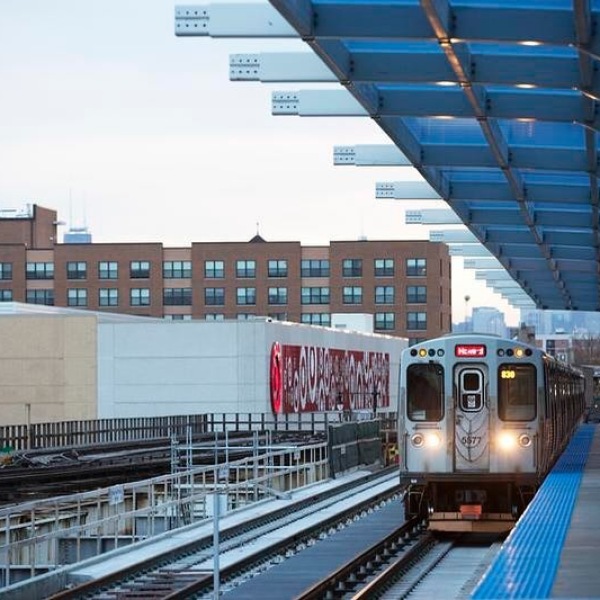
Chicago has one of the most robust public transit systems in the United States. The 'L' train alone runs several color-coded lines, many with 24-hour service. Add the CTA bus network and Metra commuter rail, and you have a system that makes car ownership genuinely optional.
Living close to transit can cut your daily commute by 30 minutes or more, making your daily routine incredibly efficient.
The neighborhoods, the lines, and the buildings you choose all shape that experience. This guide walks you through exactly how to find the right fit.
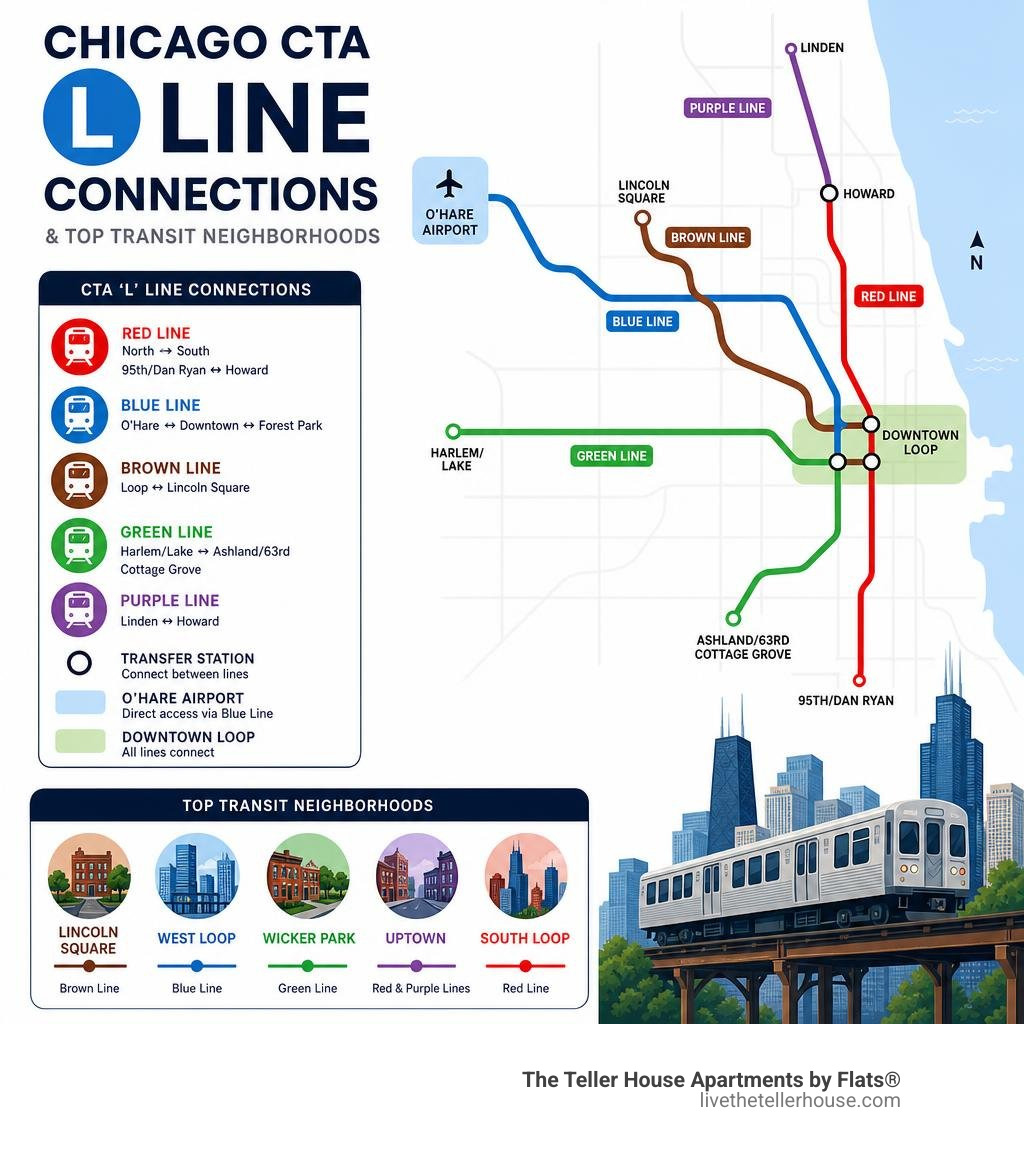
The Benefits of Living in Chicago Apartments Near Public Transit

Choosing to live in one of the many Chicago apartments near public transit transforms your entire urban experience. It is not just about getting from point A to point B; it is a lifestyle decision that frees up your time and energy.
First and foremost, the time saved is a game-changer. Living near a major transit line can cut your daily commute by 30 minutes or more. Instead of white-knuckling your way through rush-hour traffic on the Kennedy Expressway or hunting for elusive street parking, you can read a book, catch up on emails, or simply relax.
Furthermore, relying on the Chicago Transit Authority (CTA) network makes car ownership completely optional, allowing you to bypass the hassles of city parking and vehicle maintenance.
With the Ventra payment system, transitioning between CTA trains, CTA buses, and Pace suburban buses is completely seamless. Many of Chicago's top transit-oriented neighborhoods boast Walk Scores of 95 or higher, meaning daily errands do not require any driving. For a complete look at navigating the city's tracks and buses, check out our Apartments Chicago public transit guide.
Beyond the daily commute, living close to transit opens up the entire city for spontaneous exploration. Whether you want to catch a concert, visit a museum, or meet friends for dinner across town, having a station nearby makes the journey effortless. To learn more about how transit-oriented living can elevate your routine, read our article Stay Connected: Chicago Apartments Near Transit for Easy Living .
7 Quick and Easy Ways to Find Transit-Friendly Rentals

Finding the perfect home near a transit line does not have to be overwhelming. By taking a strategic approach, you can easily filter out the noise and zero in on properties that offer the ideal balance of connectivity and lifestyle. Here are seven practical steps to streamline your search.
1. Map Out Chicago Apartments Near Public Transit Using Digital Tools
The most efficient way to start your search is to leverage modern digital mapping tools. When browsing online rental platforms, you can use specialized keywords and filters to isolate properties with excellent transit access. For a wide selection of listings with direct transit links, you can explore Apartments with a public transportation For Rent in Chicago, IL - Trulia .
Once you find a potential property, open Google Maps, type in the address, and toggle the "Transit" overlay. This will instantly show you all nearby train stations and bus stops. You can also input your workplace or school address and test commute routes during peak morning and evening hours. This gives you a realistic picture of your daily travel time before you ever sign a lease.
2. Target Specific CTA Lines for Chicago Apartments Near Public Transit
Not all transit lines serve the same purpose, so we recommend targeting the specific CTA 'L' lines that align with your daily routine:
- The Red Line: The city's busiest line, running north-south from Howard to 95th/Dan Ryan. It is ideal for reaching the Loop, Lincoln Park, Uptown, and major sports stadiums.
- The Blue Line: Provides 24/7 service connecting downtown directly to O'Hare International Airport and the western suburbs.
- The Brown Line: Offers a scenic, elevated route through charming north-side neighborhoods.
- The Green and Purple Lines: Perfect for reaching the West Side, South Side, or commuting up to Evanston.
Key transfer hubs like Fullerton and Belmont allow you to switch lines effortlessly, expanding your reach across the city. If you want to browse homes along these premier transit corridors, view our curated list of Apartments for rent Chicago IL.
3. Verify Actual Walking Distance to Transit Stations
A listing might claim to be "steps from the train," but it is always wise to verify the actual walking distance yourself. Ideally, you want to find a home within a five-to-ten minute walk (roughly a quarter-mile to a half-mile radius) of a station.
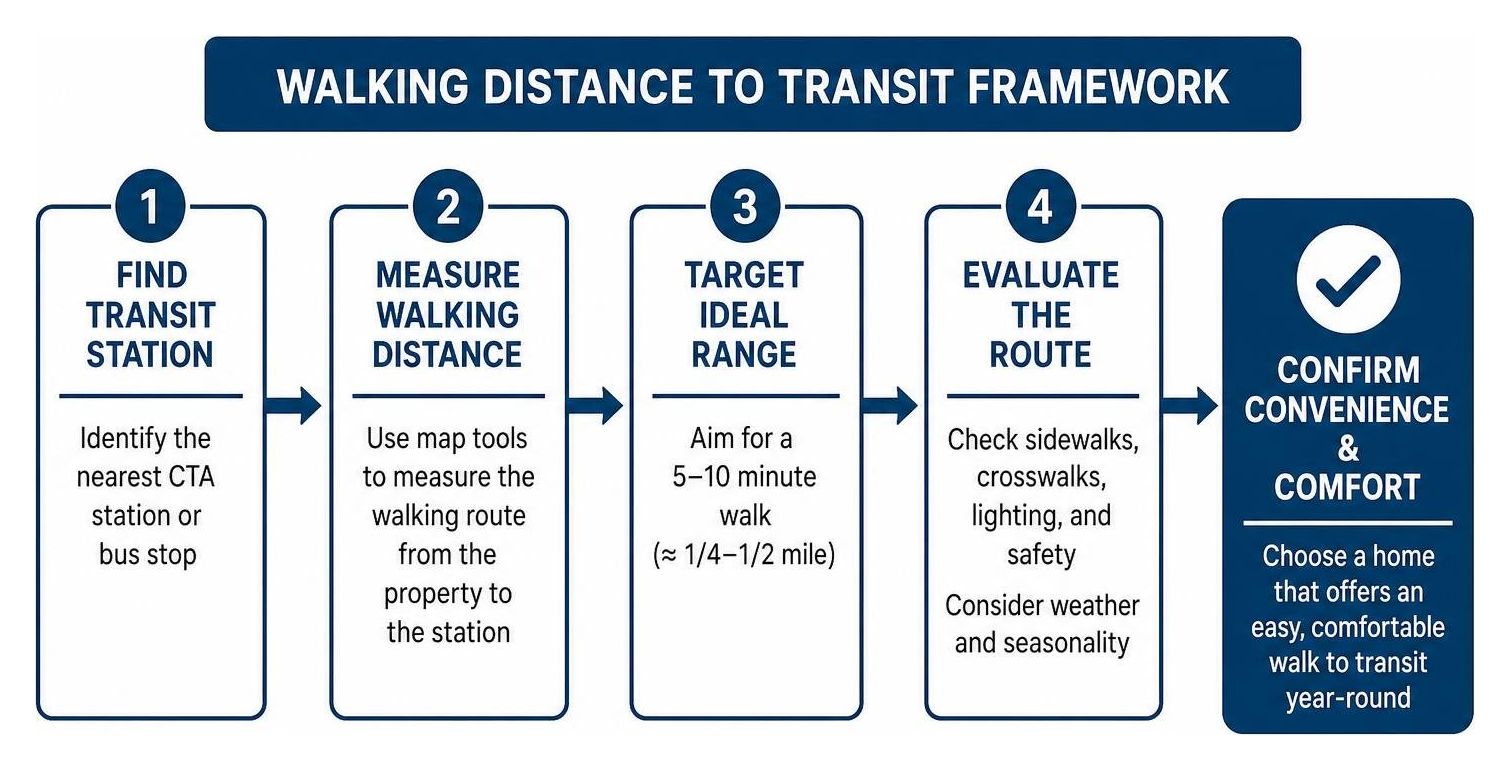
This distance is generally considered the sweet spot. It is close enough to be highly convenient but far enough to buffer you from the immediate noise of the station. Remember to consider pedestrian routes and weather conditions. A ten-minute walk in beautiful summer weather feels very different than the same walk in the middle of a snowy Chicago January. Take a look at the sidewalks, crosswalks, and lighting along the route to ensure it feels comfortable year-round.
4. Evaluate Multi-Modal Transit Options and Metra Access
While the 'L' train gets a lot of attention, a truly transit-friendly apartment often benefits from multiple modes of transportation. Look for properties that also offer easy access to major CTA bus routes, which provide excellent last-mile connectivity and cross-town travel.
If you need to travel to the outer suburbs or regional business centers, proximity to the Metra commuter rail is a massive benefit. For example, the Metra Union Pacific / West Line allows commuters to travel from Oak Park to downtown Chicago in just 16 to 20 minutes.
Additionally, consider the local biking infrastructure. Areas with a high Bike Score and proximity to scenic paths make active commuting a breeze. If you enjoy living near waterfront paths, explore our Apartments near Chicago River guide.
5. Research Neighborhood Transit Scores and Walkability
Before committing to a specific building, research the broader neighborhood's transit metrics. Walk Score, Transit Score, and Bike Score are excellent independent tools that rate locations based on how easy it is to live without a car.
For instance, the downtown Loop area boasts a nearly perfect Transit Score of 99 and a Walk Score of 95. However, you do not have to live in the center of downtown to enjoy fantastic connectivity. Neighborhoods like Uptown and Lincoln Park offer incredible walkability paired with rapid transit access, allowing you to enjoy a neighborhood feel while staying connected. To explore one of the city's most vibrant, transit-rich communities, take a look at our Uptown Chicago apartments guide.
6. Assess Building Amenities Tailored for Commuters
A building designed for transit-oriented residents will often feature specific amenities that make your daily commute much smoother. When touring properties, ask if they offer:
- Secure bike storage rooms to keep your bicycle safe and out of your living room.
- Smart package lockers so your deliveries are secure while you are at work.
- On-site co-working spaces for days when you want to skip the commute entirely.
- Real-time transit displays in the lobby showing upcoming train and bus arrival times.
- Pet-friendly features (such as dog washes) for when you return from a walk at a nearby park. Most transit-friendly buildings have clear pet policies, typically limiting residents to a maximum of two pets.
7. Tour the Neighborhood at Different Times of Day
To truly understand what it is like to live near a transit hub, we highly recommend visiting the neighborhood at different times of day.
Walk the route from the station to the apartment during the morning peak hour to see how crowded the platforms get. Return in the evening to evaluate the street lighting, pedestrian activity, and overall atmosphere. Visiting at various times also allows you to assess ambient noise levels from passing trains or buses, helping you choose the perfect unit within the building.
Top Chicago Neighborhoods for Transit-Oriented Living
Chicago is a city of neighborhoods, and several stand out as premier destinations for transit-oriented living. These areas combine excellent transit access with fantastic local amenities, dining, and cultural attractions.
Uptown: Cultural Hub with Unmatched Red Line Access
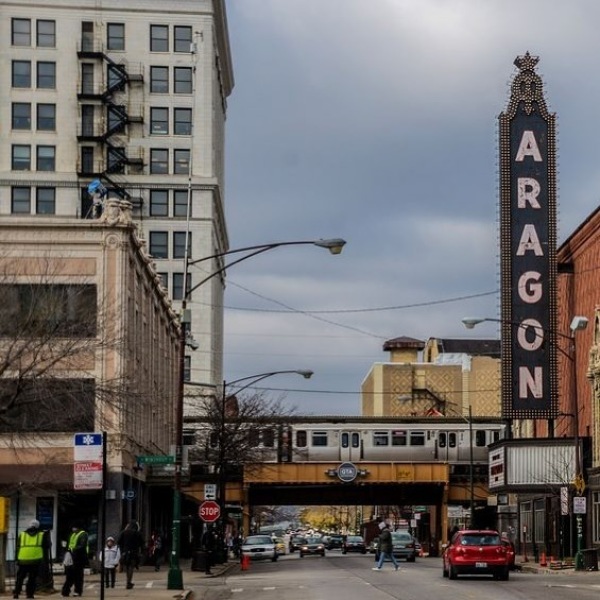
Uptown is a historic, vibrant neighborhood on Chicago's north side that offers some of the best transit connectivity in the city. Served primarily by the Red Line—with major, modernized stations at Wilson and Lawrence—Uptown makes commuting downtown or further north incredibly fast.
Aside from its transit links, Uptown is famous for its legendary theatre district, historic architecture, and proximity to the lakefront. Living here means you can easily walk to iconic music venues, diverse restaurants, and beautiful beaches. If you are planning a move to this dynamic area, check out our guide on Moving to Uptown Chicago.
Lincoln Park: Green Spaces and Multi-Line Connectivity
Lincoln Park is highly sought-after for its beautiful historic streets, expansive parks, and excellent transit options. The Fullerton Station serves as a major hub where the Red, Brown, and Purple Lines meet, making it incredibly easy to travel in any direction.
The neighborhood is also home to DePaul University, creating a lively, walkable atmosphere filled with cafes, boutiques, and tree-lined pathways. If you want to live near this iconic campus with quick transit access, explore Apartments near DePaul University Lincoln Park campus.
The Loop and South Loop: The Ultimate Transit Hub
For those who want to be in the center of it all, the Loop and South Loop offer unparalleled transit access. As the central hub of the CTA system, almost every 'L' line converges here. Major stations like Roosevelt connect the Red, Green, and Orange Lines, providing direct routes to both O'Hare and Midway airports.
With a Transit Score of 99 and a Walk Score of 95, daily life in the downtown core is incredibly efficient. To find your home in the heart of the city, browse Apartments near Chicago downtown.
Neighborhood Transit Comparison
| Neighborhood | Transit Score | Walk Score | Bike Score | Primary CTA Lines |
|---|---|---|---|---|
| The Loop | 99 | 95 | 82 | Red, Blue, Brown, Green, Orange, Purple, Pink |
| Uptown | 80 | 92 | 85 | Red, Purple (at Wilson/Lawrence) |
| Lincoln Park | 79 | 94 | 89 | Red, Brown, Purple (at Fullerton) |
| South Loop | 96 | 93 | 86 | Red, Green, Orange (at Roosevelt) |
Key Considerations and Trade-offs When Living Near Transit
While living near public transit offers incredible convenience, there are a few practical trade-offs to keep in mind during your search.
The most common consideration is ambient noise. Elevated trains and busy bus routes are part of Chicago's unique charm, but they do generate sound. When touring apartments close to the tracks, pay close attention to the building's construction materials and window quality. Double-pane or acoustic windows can block out almost all street noise, ensuring a quiet indoor environment.
Additionally, units that face an inner courtyard or are located on higher floors tend to be much quieter than those directly facing the street or tracks. For more tips on balancing transit convenience with a peaceful home life, read Hop On, Hop Off: Apartments Near Chicago's Best Transit Lines .
Frequently Asked Questions About Chicago Transit Apartments
How far is too far to walk to a CTA station?
For most renters, a five-to-ten minute walk (roughly a quarter-mile to a half-mile) is the ideal distance. Anything beyond a 15-minute walk can become inconvenient, especially during Chicago's winter months or when carrying heavy groceries.
How can I find a quiet apartment near an elevated train line?
Look for modern buildings with high-quality soundproofing, double-pane windows, and concrete construction. Courtyard-facing units, top-floor units, or apartments positioned slightly away from the direct line of sight of the tracks will also be significantly quieter.
What are the best transit options for commuting to Chicago universities?
The Red and Blue Lines are excellent for students and faculty. The Red Line offers direct access to DePaul University in Lincoln Park and Loyola University in Rogers Park. For those commuting to the Near West Side, the Blue Line and local bus routes provide easy access to the medical district and campus housing. To explore options near the West Side, check out Apartments near University of Illinois Chicago. If you are heading south, you can also explore Apartments near University of Chicago.
Conclusion
Finding the perfect balance of transit access, neighborhood charm, and modern luxury is the key to enjoying everything Chicago has to offer.
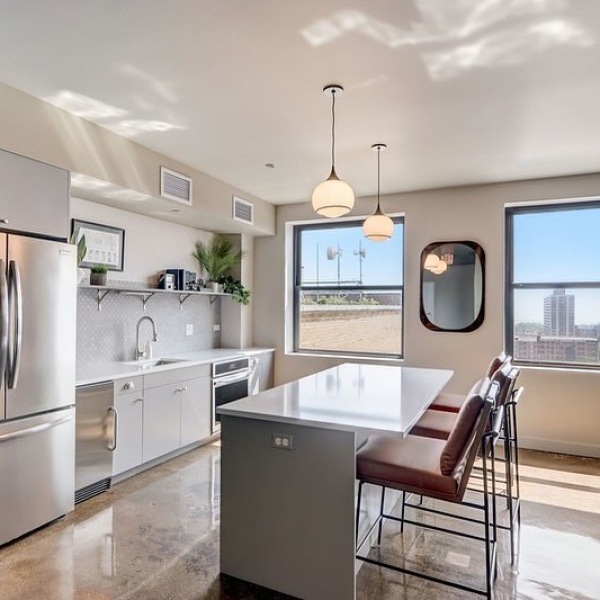
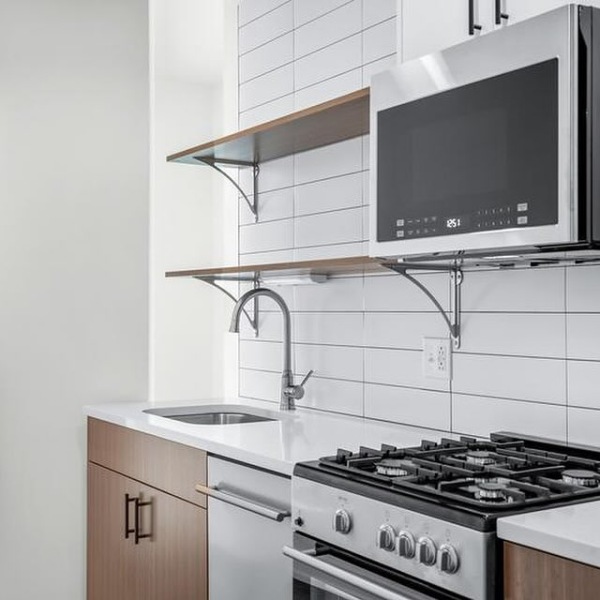
At The Teller House Apartments by Flats®, we have transformed a historic bank building in the heart of Uptown Chicago into sophisticated, modern living spaces. Our prime location puts you steps from excellent Red Line transit access at the Wilson station, making your daily commute smooth and car-free.
Living here means you are surrounded by Uptown’s iconic theatres, rich cultural attractions, and vibrant dining scene, all while enjoying a beautifully designed apartment to call home. Ready to experience the perfect blend of history, luxury, and convenience? Visit our Neighborhood page to explore the area, or Schedule a tour with us today!