

What's Really Driving the Average Rental Increase in Uptown Chicago
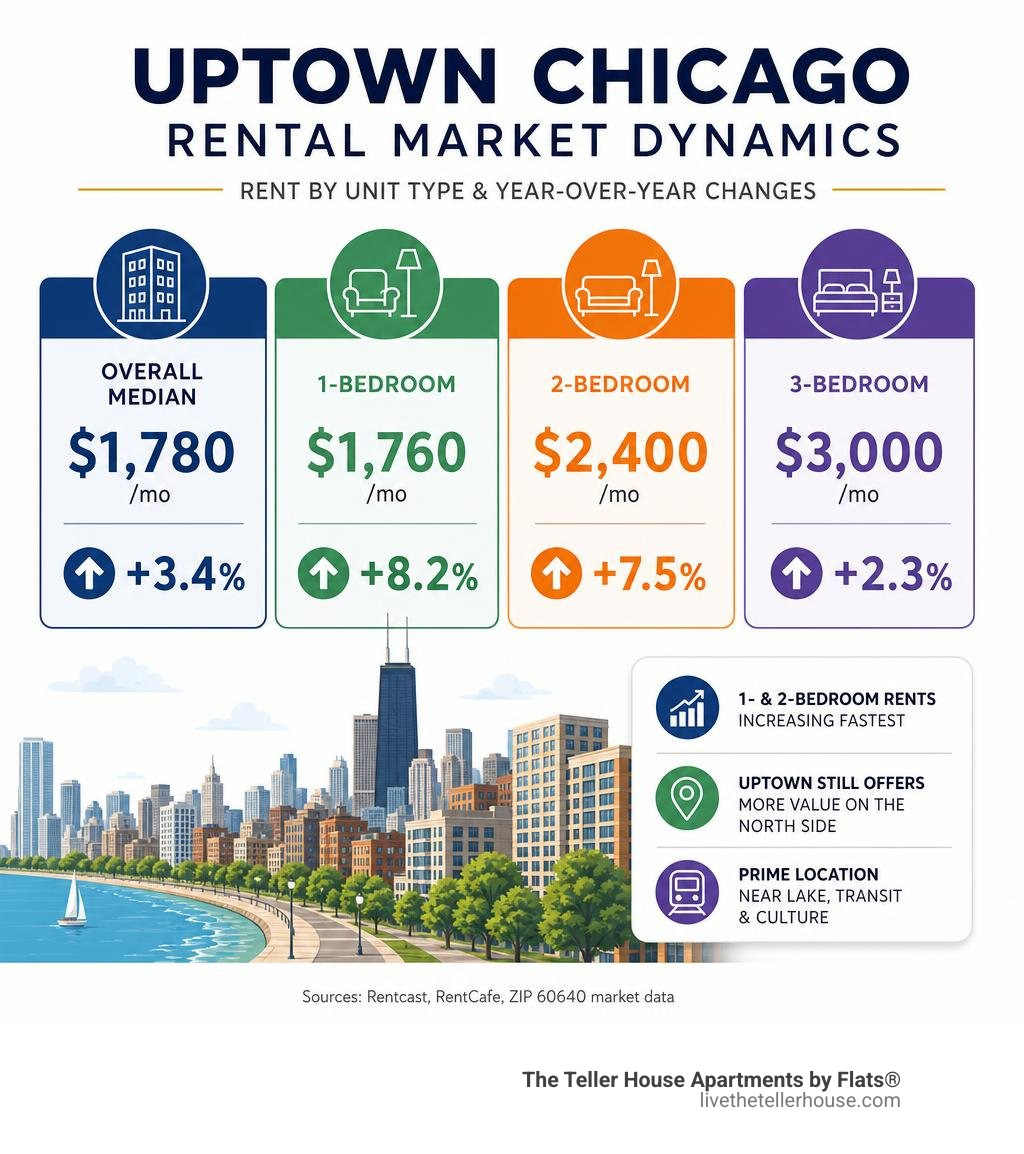
The average rental increase in Uptown Chicago is a topic on the minds of residents, housing providers, and anyone eyeing a move to one of the North Side's most dynamic neighborhoods. Here's a quick snapshot of where things stand right now:
| Unit Type | Year-Over-Year Increase |
|---|---|
| Overall | +3.4% |
| 1-bedroom | +8.2% |
| 2-bedroom | +7.5% |
| 3-bedroom | +2.3% |
Sources: Rentcast, RentCafe, ZIP 60640 market data
A few things stand out immediately. First, the overall increase looks modest at 3.4%. But that number hides a much bigger story — one-bedroom and two-bedroom units are seeing increases two to three times that rate. Second, Uptown remains a highly sought-after North Side option for residents who want proximity to the lake, transit, and culture.
The citywide picture adds more context. Chicago rents overall are up roughly 9.3% year-over-year as of mid-2026, driven by a thin development pipeline and strong demand across the North Side. Uptown is feeling those same pressures.
This article breaks down exactly what's happening with rents in Uptown, why certain unit sizes are climbing faster than others, and how the neighborhood stacks up against nearby alternatives. Whether you're renewing a lease or evaluating a move, understanding these trends helps you make an informed decision.
Understanding the Average Rental Increase in Uptown Chicago
To truly grasp what is happening with the average rental increase in Uptown Chicago, we have to look past simple neighborhood-wide averages. Depending on which data source we analyze, the headline numbers can seem contradictory. For example, some regional indexes show a minor downward adjustment in average lease rates over the past twelve months, while hyper-local ZIP code analyses point to steady growth.
This divergence is incredibly common in dynamic urban environments. When we look at the comprehensive Uptown Chicago rental trends for ZIP code 60640, we see that the market is highly segmented. While older housing stock or larger, multi-bedroom homes might experience slower growth, modern and updated units are seeing sustained upward pressure.
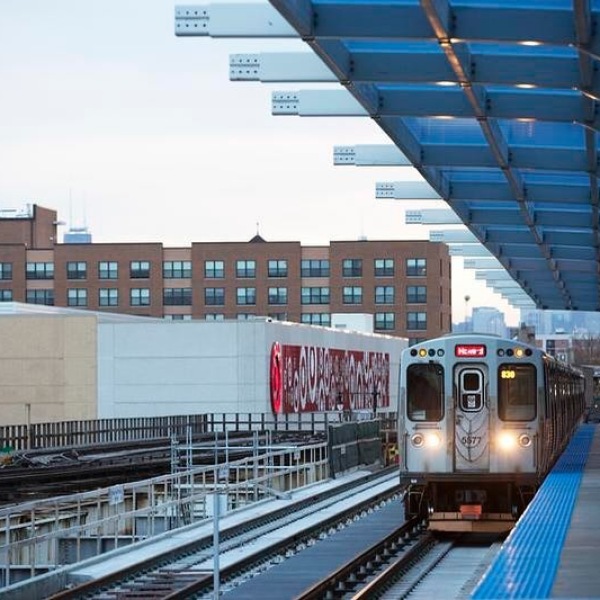
To help navigate these complexities, we have put together the uptown chicago rentals complete guide, which highlights how specific pockets of the neighborhood respond to shifting renter preferences. The reality is that demand for high-quality, well-located housing in this lakefront enclave remains incredibly resilient. The neighborhood's unique combination of historic charm, cultural landmarks, and immediate access to the Red Line ensures that occupancy rates stay high, giving housing providers the leverage to adjust rates upward during peak leasing seasons.
Factors Driving the Average Rental Increase in Uptown Chicago
Several key macroeconomic and hyper-local factors are coming together to drive the average rental increase in Uptown Chicago. Understanding these drivers helps us anticipate where the market is headed next.
First and foremost is the citywide supply crunch. Across Chicago, the development pipeline for new residential buildings has slowed down significantly. With fewer large-scale deliveries scheduled for 2026, residents who want modern finishes and premium amenities are competing for a limited pool of existing inventory. When supply is tight, renewal rates naturally trend upward because residents find fewer comparable options on the open market.
Second, the rise of remote and hybrid work has permanently altered what people look for in a home. In Uptown's ZIP code, more than 27% of the population works from home. This high concentration of remote professionals means that extra space, natural light, and modern building amenities are no longer luxury additions—they are daily necessities. As people spend more time inside their living spaces, they are willing to dedicate a larger portion of their monthly resources to securing a premium environment.
Finally, we are seeing a steady influx of residents who are intentionally moving to uptown chicago from other downtown neighborhoods. Uptown offers a vibrant, historic neighborhood feel, complete with legendary music venues, beautiful beaches, and fantastic dining, without the extreme congestion of the Loop. This steady demand from incoming residents keeps vacancy rates low and supports consistent year-over-year rate growth.

Segmenting the Average Rental Increase in Uptown Chicago by Unit Size
When we look closely at the numbers, it becomes clear that rental increases are not distributed evenly across all property types. The size of the apartment plays a massive role in how quickly rates are rising.
| Apartment Size | Year-Over-Year Growth Rate | Market Demand Level |
|---|---|---|
| Studio | Moderate Growth | Consistent |
| 1-Bedroom | +8.2% | Extremely High |
| 2-Bedroom | +7.5% | High |
| 3-Bedroom | +2.3% | Moderate |
One-bedroom apartments are the clear frontrunners in growth, experiencing an impressive 8.2% year-over-year increase. This surge is driven by a massive demographic of professionals who want their own dedicated space. Because one-bedroom units make up nearly 45% of Uptown's total rental inventory, they represent the primary battleground for incoming residents.
Two-bedroom units are not far behind, showing a 7.5% year-over-year increase. These spaces are highly prized by remote workers who need a second bedroom to serve as a quiet, dedicated home office.
In contrast, three-bedroom units have experienced a much more modest 2.3% increase. Larger units are less common in the neighborhood's newer, renovated buildings and typically cater to a smaller, more consistent segment of the market, resulting in slower annual rate growth.
Comparing Uptown to the Broader Chicago Rental Market
To put Uptown's rental trajectory into perspective, we have to look at how it compares to the rest of the city. Chicago's rental market is highly fragmented, with varying demand and growth rates from one neighborhood to the next.
According to recent citywide data, the metropolitan area has seen strong overall rate appreciation, driven by low vacancy and a lack of new construction. However, when we look at the Chicago rent trends by neighborhood, we can see that Uptown occupies a highly attractive position. It provides a distinct alternative to downtown neighborhoods like Streeterville or the West Loop, offering a different pace of living while maintaining excellent connectivity.
For residents who want to remain close to the lakefront while enjoying a neighborhood rich in character, searching for apartments in uptown chicago offers an exceptional balance. You get the benefits of a highly walkable, transit-oriented community with a distinct cultural identity, along with access to the city's most vibrant corridors.
Uptown vs. Lakeview and Rogers Park
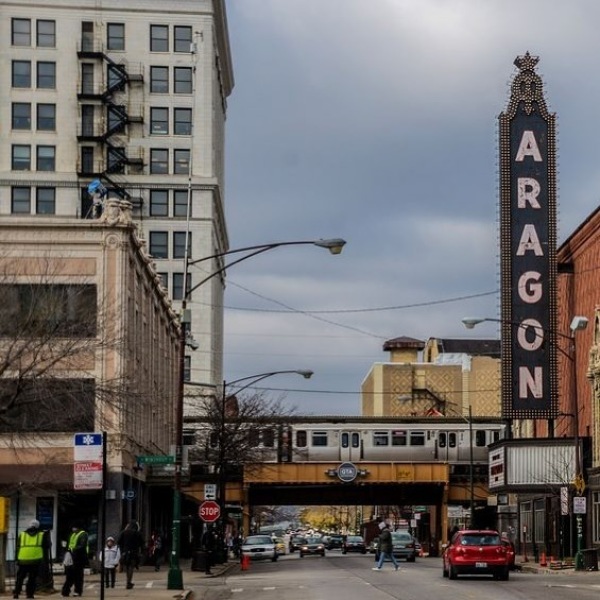
When residents evaluate the North Side, they typically compare Uptown to its immediate neighbors: Lakeview to the south, and Edgewater and Rogers Park to the north. This geographic strip presents a classic case of location-based options, where moving just a few blocks or L stops can dramatically change your surroundings and building styles.
According to the latest Chicago rent trends, Lakeview continues to command high demand. As a highly established entertainment and residential hub, Lakeview's rental market operates at a very fast pace. For many residents, making the short move north to Uptown allows them to secure a larger, more modern apartment with updated amenities and a unique historic charm.
On the other side, Rogers Park and Edgewater to the north generally offer different styles of housing. However, these neighborhoods also sit further from the downtown core, resulting in longer commute times. Uptown serves as a highly desirable option on the North Side lakefront—offering faster transit access and a more robust commercial and cultural scene than the far north neighborhoods, while remaining highly connected to Lakeview and Lincoln Park.
How to Navigate Rising Rents as a Tenant

With rates rising across the North Side, navigating lease renewals and apartment hunting requires a strategic approach. Here are our top recommendations for managing your lease transition in a changing market:
- Understand the Renewal Timeline: In Chicago, housing providers are required to give advanced notice if they plan to adjust your lease terms by a significant margin. Use this time to research local listings and understand your options.
- Highlight Your Value as a Resident: If you are a great resident who pays on time and takes excellent care of the property, make sure to emphasize this during renewal conversations. Many housing providers prefer the continuity of a reliable, long-term resident over the uncertainty and turnover of finding someone new.
- Time Your Search Strategically: The Chicago rental market is highly seasonal. Peak demand occurs during the summer months, which is when rates are typically at their highest. If you have the flexibility to start a lease in the late autumn or winter, you may find more favorable terms and less competition.
- Focus on Space Efficiency: Rather than focusing solely on bedroom count, look at the layout and square footage efficiency. A well-designed, modern one-bedroom with smart storage solutions can often feel more spacious and functional than a poorly laid-out two-bedroom.
For more detailed strategies on securing the perfect space, check out our uptown chicago apartment buildings tips, which covers everything from building amenities to lease negotiation best practices.
Frequently Asked Questions about Uptown Chicago Rentals
What trends are shaping the average rent in Uptown Chicago?
Rental rates in Uptown Chicago vary significantly based on the size, age, and amenity level of the building. Modern, renovated properties and luxury developments generally command higher rates, while older, unrenovated vintage buildings offer different options. Overall, the neighborhood is experiencing steady upward rate adjustments due to high demand and limited new construction.
Why are one-bedroom rents rising faster than other unit sizes?
The rapid rise in one-bedroom rates is driven by a massive shift in resident demographics. With a high percentage of local residents working from home, there is incredible demand for independent living spaces that can double as comfortable home offices. This high demand, combined with a limited supply of modern one-bedroom layouts, has created a highly competitive market for this specific unit size.
What is the rental market outlook for Uptown over the next 12 months?
We anticipate that rental rates in Uptown will continue to experience steady, moderate upward pressure over the next 12 months. Because the overall Chicago development pipeline remains thin, there will be very little new housing supply introduced to satisfy the consistent demand for North Side apartments. Vacancy rates are expected to remain low, meaning well-maintained properties in prime locations will continue to see strong lease renewal rates.
Conclusion
The average rental increase in Uptown Chicago reflects a neighborhood that is highly valued for its culture, convenience, and vibrant community feel. While the market continues to evolve, Uptown remains one of the most compelling and dynamic places to call home on Chicago's North Side.
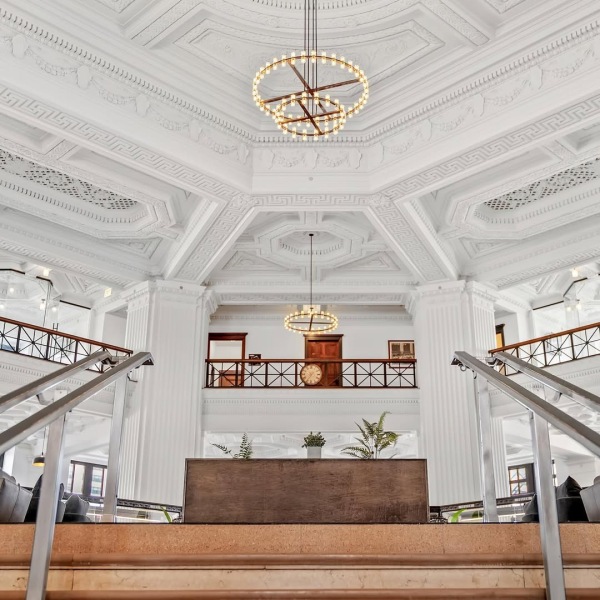
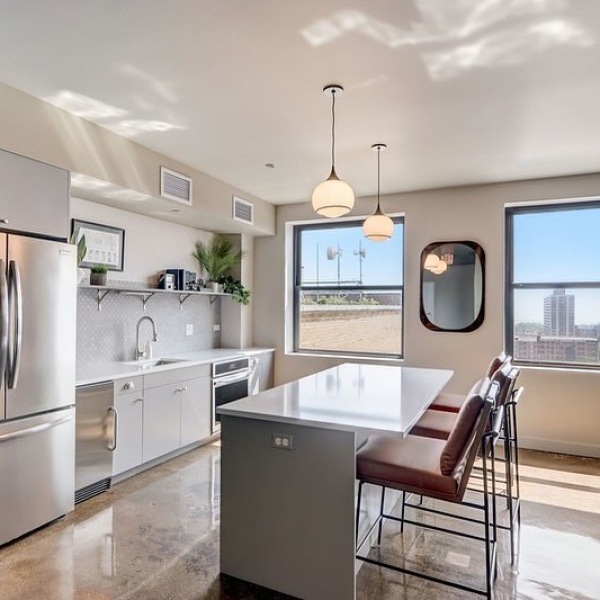
If you are looking to experience the absolute best of this historic neighborhood, we invite you to discover The Teller House Apartments by Flats®. We have beautifully transformed a historic bank building into sophisticated, modern luxury living spaces. Our prime location puts you steps away from Uptown's most iconic theatres, legendary concert halls, and incredible cultural attractions.
With thoughtful, high-end designs and top-tier amenities, we offer an unparalleled living experience in the heart of the North Side. Explore our available apartments in uptown chicago today and find your perfect new home.